

New office furniture Gachibowli

From sleek ergonomic chairs to smart‑storage solutions, discover how the latest office‑furniture trends are reshaping workplaces in Hyderabad’s booming tech hub.
Table of Contents
1. Why Gachibowli Is the New Epicenter of Office Design
2. The Evolution of Office Furniture: From Cubicles to Collaborative Hubs
3. Key Trends Shaping Modern Office Furniture (2024‑2025)
a. Ergonomics & Health‑First Design
b. Sustainable & Eco‑Friendly Materials
c. Modular & Flexible Systems
d. Tech‑Integrated Workstations
e. Biophilic Elements & Nature‑Inspired Design
4. Top Furniture Categories Every Gachibowli Office Needs
Seating
Desks & Workstations
Conference & Huddle Spaces
Storage & Filing Solutions
Break‑Room & Lounge Furniture
5. How to Choose the Right Supplier in Gachibowli
6. Budgeting Tips: Getting Premium Quality Without Breaking the Bank
7. Real‑World Success Stories: Companies That Revamped Their Space
8. Future‑Proofing Your Office: Preparing for Hybrid Work & Beyond
9. Quick Checklist for Your Next Furniture Refresh
10. Final Thoughts: Investing in People, Productivity, and a Sustainable Future
1. Why Gachibowli Is the New Epicenter of Office Design
Gachibowli, once a quiet suburb on the outskirts of Hyderabad, has transformed into a thriving commercial corridor. Home to multinational tech giants, startups, and research institutes, the area now hosts more than 150,000 professionals across 500+ companies. Several factors make Gachibowli an ideal testing ground for cutting‑edge office‑furniture concepts:
Factor Impact on Furniture Needs
Rapid Tech Growth Companies demand agile spaces that can adapt to fast‑changing project teams.
Talent Competition Employers use office ambiance as a recruiting weapon—think “wow” factor.
Hybrid Work Model Furniture must support both in‑office collaboration and remote‑friendly designs.
Infrastructure Development New high‑rise office towers (e.g., Gachibowli IT Park, WaveCity) create blank canvases for designers.
Eco‑Conscious Workforce A growing segment of employees prefers sustainable materials and green certifications.
Because of this dynamic ecosystem, Gachibowli has become a micro‑cosm of the broader Indian office‑design revolution. Let’s explore how that revolution is expressed through furniture.
2. The Evolution of Office Furniture: From Cubicles to Collaborative Hubs
1990s – The Cubicle Era
Standardized, modular partitions dominated. Function trumped form, and ergonomics were an afterthought.
2000s – The Open‑Plan Wave
Companies tore down walls, opting for open floor plans to boost transparency. However, the lack of privacy sparked a backlash.
2010s – The Activity‑Based Working (ABW) Model
Workspaces began to reflect different work modes: focus pods, collaborative zones, and informal lounges.
2020‑2025 – The Human‑Centric, Hybrid‑Ready Landscape
Flexibility: Furniture that can be re‑configured on the fly.
Well‑being: Seats with lumbar support, sit‑stand desks, and anti‑fatigue mats.
Technology Integration: Wireless charging, cable management, IoT‑enabled desks.
Sustainability: Recycled steel, reclaimed wood, and low‑VOC finishes.
Gachibowli’s newer office complexes (e.g., Citi Centre, BHEL–Tata Housing) have embraced this human‑centric approach, blending the best of all eras.
3. Key Trends Shaping Modern Office Furniture (2024‑2025)
a. Ergonomics & Health‑First Design
Sit‑Stand Desks: 70 % of Indian firms now offer height‑adjustable workstations. Research shows a 15‑20 % increase in productivity when employees can alternate between sitting and standing.
Dynamic Chairs: Mesh‑backed, synchro‑tilt chairs that promote micro‑movements, reducing spinal pressure.
Active Accessories: Balance boards, under‑desk cycles, and footrests encourage movement throughout the day.
b. Sustainable & Eco‑Friendly Materials
Bamboo & Reclaimed Wood: Fast‑growing, carbon‑negative alternatives to hardwood.
Recycled Aluminum & Steel: Used for frames, providing durability with a lower carbon footprint.
Low‑VOC Finishes: Safer indoor air quality—a decisive factor for companies pursuing WELL or BREEAM certifications.
c. Modular & Flexible Systems
Plug‑and‑Play Pods: Lightweight panels that snap together, creating instant meeting rooms.
Mobile Storage Units: Wheels and lockable casters enable quick re‑allocation of resources.
Expandable Desk Systems: Linear modules that can be lengthened or shortened as team sizes shift.
d. Tech‑Integrated Workstations
Wireless Charging Surfaces: Embedded pads in desktops and conference tables.
Cable Management Channels: Built‑in raceways hide power strips and data cables, preserving a clean aesthetic.
IoT‑Enabled Desks: Sensors that monitor usage patterns, helping facilities teams optimize space allocation.
e. Biophilic Elements & Nature‑Inspired Design
Living Walls & Planters: Integrated into partitions and reception areas for visual calm.
Natural Textures: Pebble‑finish table tops, stone‑like laminates, and timber veneer finishes.
Daylight‑Mimicking Lighting: Adjustable LEDs that replicate circadian rhythms, reducing eye strain.
4. Top Furniture Categories Every Gachibowli Office Needs
4.1 Seating – The Backbone of Comfort
Type Ideal Use Recommended Features
Ergonomic Executive Chair Managers, senior staff Adjustable lumbar, breathable mesh, 360° swivel
Task Chair Daily desk work Low back, tilt‑lock, weight‑capacity up to 120 kg
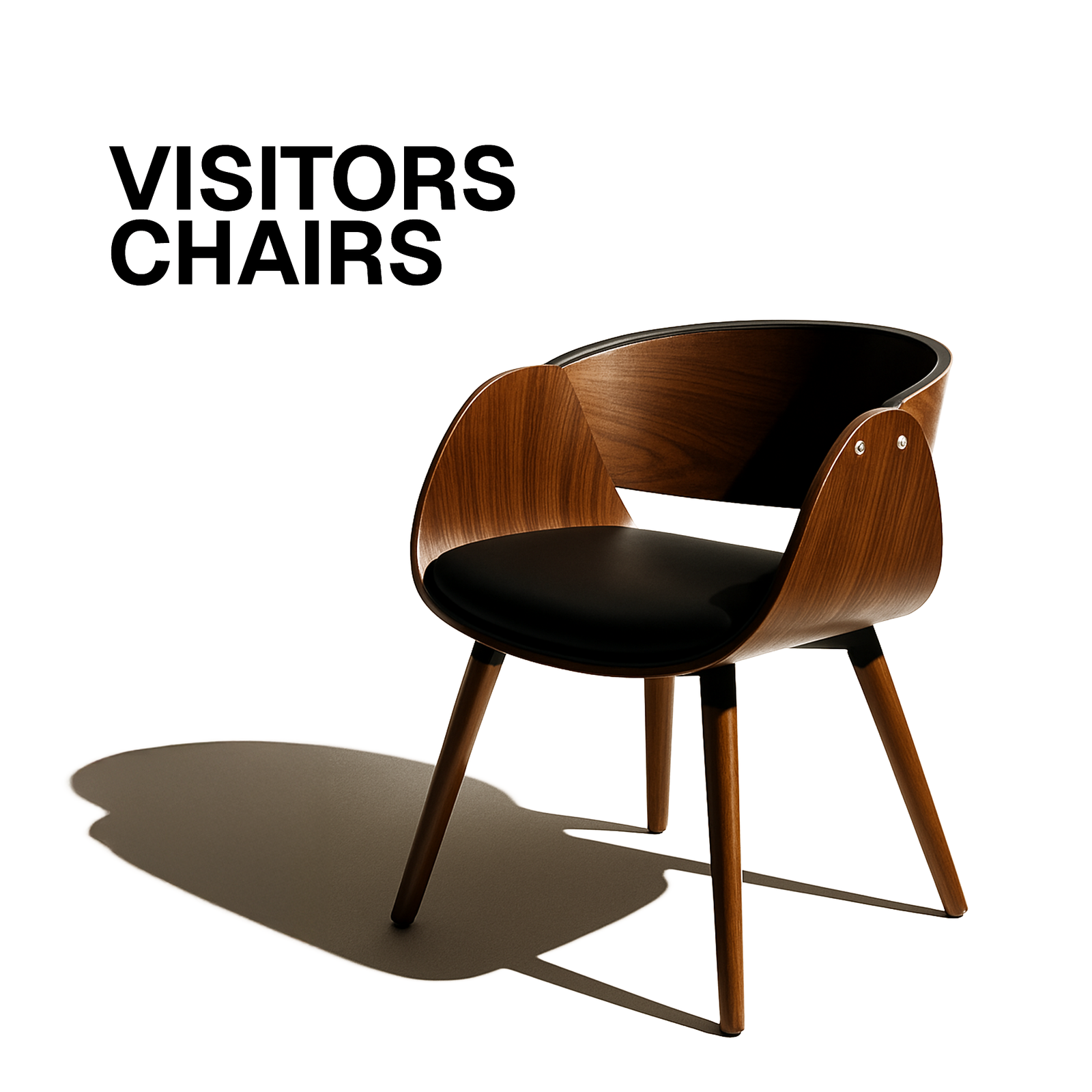
Collaborative Lounge Chair Break‑out areas Soft upholstery, modular connectivity
Stool/Bench for Sit‑Stand Zones Height‑adjustable desks Height range 45‑110 cm, foot ring for stability
Pro tip: When budgeting, prioritize ergonomic chairs for high‑usage roles (developers, analysts) first. A quality chair can reduce sick‑leave by up to 12 %, according to a 2023 NIOSH study.
4.2 Desks & Workstations
Height‑Adjustable Desks – Motorized or manual crank. Look for memory presets for quick transitions.
Collaborative Tables – Rounded edges, built‑in power sockets, and acoustic panels for small group discussions.
Hot‑Desk Pods – Compact, lockable stations for “desk‑sharing” models.
4.3 Conference & Huddle Spaces
Modular Conference Tables – Can be split into 2‑4 smaller tables or combined for large board meetings.
Acoustic Screens & Panels – Reduce reverberation, especially in glass‑heavy towers common in Gachibowli.
Integrated AV Furniture – Cable‑free mounting for displays, microphones, and speaker systems.
4.4 Storage & Filing Solutions
Mobile Pedestals – Lockable, with built‑in drawers for personal items.
Open Shelving – Encourages a “clean desk” culture while showcasing company awards or products.
Secure Cabinets – For confidential documents, choose fire‑rated steel with electronic locks.
4.5 Break‑Room & Lounge Furniture
Café‑Style Seating – Mix of high stools and low lounge chairs to cater to varied preferences.
Multi‑Purpose Tables – Can double as informal meeting surfaces.
Wellness Zones – Include yoga mats, bean bags, and mini‑library shelves for mental recharge.
5. How to Choose the Right Supplier in Gachibowli
1. Local Presence & Showroom – Visiting a physical space lets you test comfort, finish, and durability. Top showrooms include Godrej Interio, Urban Ladder, and Herman Miller’s regional hub at Gachibowli IT Park.
2. Portfolio of Corporate Projects – Ask for case studies. Suppliers who have equipped Infosys, Cognizant, or Tech Mahindra in the area understand the scale and timeline challenges.
3. After‑Sales Service & Warranty – Look for at least 5‑year structural warranty and a 2‑year warranty on moving parts (e.g., pneumatic lift mechanisms).
4. Customization Capability – Whether you need a brand‑colored desk or a logo‑etched conference table, a flexible manufacturer will save you from costly retrofits.
5. Sustainability Certifications – FSC, Greenguard, and ISO 14001 indicate a commitment to eco‑friendly practices, increasingly important for ESG‑focused firms.
6. Pricing Transparency – Request a detailed quote that breaks down product cost, delivery, installation, and post‑install support. Beware of hidden handling fees, especially for large modular systems.
6. Budgeting Tips: Getting Premium Quality Without Breaking the Bank
Strategy How It Works Savings Potential
Phased Rollout Upgrade high‑traffic zones first (e.g., workstations) and defer lounge refreshes to the next fiscal year. Up to 30 % spread over two years
Bundle Packages Many vendors offer “office‑fit‑out bundles” that include desks, chairs, and storage at a discounted rate. 10‑15 % off individual item price
Leverage Tax Incentives Under Section 35AD of the Income Tax Act, companies can claim depreciation on capital equipment, reducing taxable income. Up to 40 % tax benefit on the first year
Opt for Refinished Classics Refurbishing high‑quality timber desks can give a fresh look for 30‑40 % of the cost of a brand‑new piece. 60 % reduction vs. new furniture
Bulk Order Discounts Ordering 50+ chairs typically triggers a volume discount of 5‑12 %. Direct cost reduction
Local Manufacturing Sourcing from Hyderabad‑based manufacturers cuts logistics costs and supports the local economy. 5‑8 % savings on freight
7. Real‑World Success Stories: Companies That Revamped Their Space
1. Tata Consultancy Services (TCS) – Gachibowli Campus
Challenge: 1,200 employees with a mix of on‑site and remote work.
Solution: Introduced Sit‑Stand desks (75 % of workstations), modular acoustic pods for focus, and reclaimed‑wood lounge chairs.
Result: Reported a 12 % rise in employee satisfaction scores and a 7 % boost in project delivery speed.
2. Medanta Healthcare Solutions – HealthTech Hub
Challenge: Need for sterile, easy‑to‑clean surfaces without compromising aesthetics.
Solution: Adopted laminated high‑pressure panels with antimicrobial coating, plus ergonomic stools for lab stations.
Result: Reduced cleaning time by 30 % and earned a LEED Gold certification.
3. Start‑Up Co‑Working Space – “The Hive”
Challenge: Limited budget, high turnover of tenants.
Solution: Purchased modular, stackable furniture from a local manufacturer. Added biophilic wall gardens made of low‑maintenance succulents.
Result: Achieved 95 % occupancy within three months and received rave reviews on social media for the “Instagram‑ready” vibe.
These case studies illustrate that the right furniture strategy can be a catalyst for performance, brand perception, and sustainability goals.
8. Future‑Proofing Your Office: Preparing for Hybrid Work & Beyond
1. Dynamic Zoning – Install move‑able partitions that can convert a quiet zone into a collaboration area within minutes.
2. Desk‑Reservation Systems – Pair desks with IoT sensors and a booking app, ensuring optimal usage and reducing waste.
3. Health‑Monitoring Furniture – Emerging desks can track posture, heart rate, and encourage micro‑breaks via gentle vibrations.
4. Universal Power & Connectivity – Every desk should have USB‑C, Qi‑wireless, and PoE (Power over Ethernet) outlets to support laptops, tablets, and future devices.
5. Adaptable Acoustic Solutions – Deploy sound‑absorbing panels that can be repositioned as team sizes fluctuate, keeping noise levels below 45 dB in open zones.
By embedding these forward‑thinking elements today, Gachibowli businesses can avoid costly overhauls when workplace expectations evolve.
9. Quick Checklist for Your Next Furniture Refresh
✅ Item Notes
1 Conduct an occupancy audit – Map how many people use each zone daily. Identify high‑traffic areas for priority upgrades.
2 Define core objectives – Health, sustainability, brand image, cost. Align with HR, finance, and ESG teams.
3 Choose ergonomic standards – Follow BIFMA or ISO 9241 guidelines. Guarantees safety compliance.
4 Verify supplier certifications – FSC, Greenguard, ISO 9001. Reduces risk of sub‑par materials.
5 Draft a phased rollout timeline – Include lead time for delivery and installation. Prevents disruption to business operations.
6 Plan for post‑installation training – Show employees how to adjust chairs, desks, and use tech features. Boosts adoption and ROI.
7 Set up maintenance contracts – Regular checks on pneumatic lifts, cable trays, and acoustic panels. Extends lifespan by 20‑30 %.
8 Collect feedback after 30/60/90 days – Use surveys to gauge comfort and productivity impact. Provides data for future decisions.
9 Document energy & waste savings – For ESG reporting and corporate storytelling. Highlights your sustainability commitment.
10 Celebrate the new workspace – Host a launch event with employee tours and photo ops. Reinforces culture and brand pride.
10. Final Thoughts: Investing in People, Productivity, and a Sustainable Future
The office is no longer just a place to “show up and work.” In Gachibowli, where talent wars are fierce and the tech ecosystem is constantly evolving, the environment you create can be the deciding factor between a thriving organization and one that merely survives.
People first: Ergonomic, health‑focused furniture directly translates into lower absenteeism and higher engagement.
Productivity next: Flexible, technology‑ready workstations enable seamless collaboration, whether your team is onsite, remote, or hybrid.
Sustainability always: Choosing recycled, low‑VOC, and locally sourced materials reduces carbon footprints and aligns with global ESG standards.
When you view office furniture as a strategic investment—rather than a cosmetic expense—you’ll see returns in employee satisfaction, brand perception, and the bottom line.
Ready to reimagine your Gachibowli workspace? Start by auditing your current setup, pick a trusted local supplier, and roll out the changes in phases. The result will be a vibrant, future‑ready office that not only looks great but also drives performance and wellbeing.
Happy designing! ✨
About the Author
Anita Reddy is an interior‑design consultant specializing in corporate environments across Hyderabad. With over a decade of experience working with multinational tech firms, she blends design aesthetics with data‑driven ergonomics to create spaces that inspire.
For personalized office‑furniture consultancy in Gachibowli, connect with Anita at anita.reddy@designhub.in.