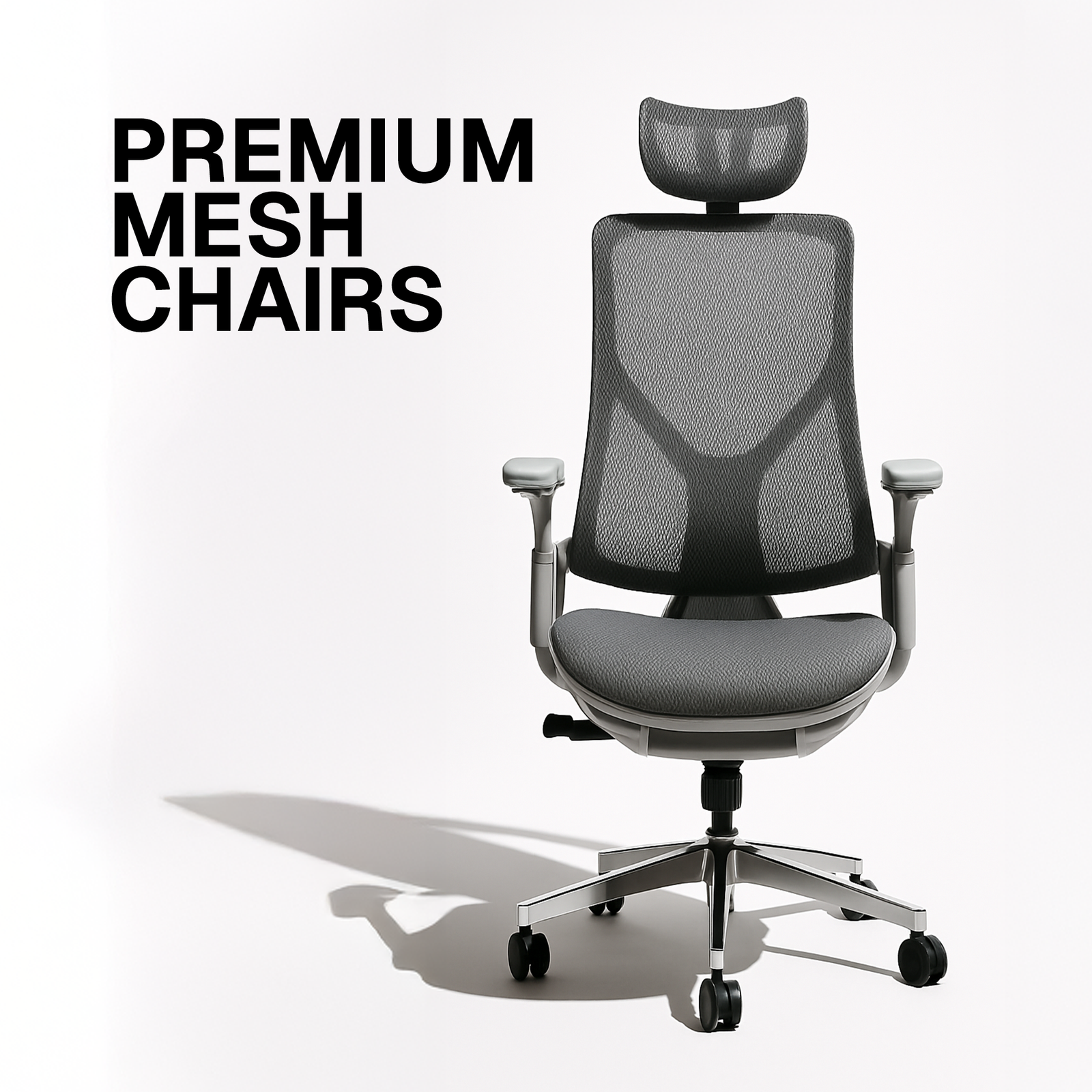


FAQ: How Long Do Quality Office Chairs Last

Your Ultimate FAQ Guide to Longevity, Maintenance, and Getting the Best Value from Your Seat
Whether you’re a remote‑worker spending eight hours a day in front of a screen, a startup founder who’s constantly on conference calls, or a corporate pro who hops from one meeting room to the next, your office chair is the unsung hero of productivity. It supports your posture, cushions your joints, and—if you choose wisely—can stay reliable for years to come.
But how long does a “quality” office chair actually last? The answer isn’t a single number; it’s a blend of design, materials, usage patterns, and care. In this comprehensive blog post we’ll break down every factor that determines a chair’s lifespan, give you realistic timelines for different price tiers, and arm you with a FAQ‑style cheat sheet you can reference whenever you’re buying, using, or evaluating a chair. By the end, you’ll know exactly what to expect from that $399 ergonomic marvel on your desk and how to stretch its life well beyond the warranty.
Table of Contents
1. Why Chair Longevity Matters
2. What Makes a Chair “Quality”?
3. Typical Lifespan by Price & Build Category
4. Key Factors That Influence How Long a Chair Lasts
5. Common Signs Your Chair Is Nearing the End of Its Life
6. Maintenance & Care Hacks to Extend the Life Span
7. Cost‑Per‑Year Analysis: Is a $2000 Chair Worth It?
8. Buying the Right Chair for Your Usage Pattern
9. FAQ: Quick Answers to the Most Asked Questions
10. Bottom‑Line Takeaway & Checklist
1. Why Chair Longevity Matters
The hidden cost of a “cheap” replacement
Productivity loss – A sagging seat or a wobbly base forces you to shift constantly, breaking concentration and increasing fatigue.
Health implications – Poor lumbar support can aggravate chronic back pain, leading to medical expenses and lost workdays.
Environmental impact – Office furniture that ends up in a landfill after three years contributes to waste. A longer‑lasting chair reduces your carbon footprint.
The upside of a chair that endures
Predictable budgeting – Knowing you’ll get 8–10 years of service lets you plan capital expenditures more accurately.
Better ergonomics – Quality chairs that retain their adjustment mechanisms maintain the intended ergonomic benefits throughout their life.
Return on investment (ROI) – A chair that costs $800 and lasts 12 years is effectively $67 per year, far cheaper than a $200 chair that needs replacement every 3 years.
2. What Makes a Chair “Quality”?
Before diving into longevity, let’s define the criteria that separate a “quality” office chair from a budget‑store model.
Component What to Look For Why It Matters
Frame Reinforced steel, aluminum, or high‑grade polymer with welded joints (no cheap rivets). The frame bears the entire load; a robust frame resists bending and cracking.
Base & Casters Five‑leg steel base, preferably with a brushed finish; casters suited to floor type (hard‑floor polyurethane or carpet). A stable base prevents tipping; appropriate casters reduce wear on both chair and floor.
Mechanism (Tilt, Recline, Lift) Pneumatic gas lift with a double‑acting cylinder; tilt tension adjusted via knob; independent seat‑back tilt. Smooth, reliable mechanisms keep adjustments usable over years.
Seat Cushion High‑density foam (HD) 1.5–2.5 inches, or a 3‑layer system (HD core + memory foam + breathable layer). Maintains shape and comfort; low‑density foam collapses quickly.
Backrest Breathable mesh or molded polymer; if leather, full‑grain or top‑grain, not bonded leather. Mesh offers longevity and ventilation; premium leather ages gracefully.
Armrests Adjustable in height, width, depth, and pivot; padded with HD foam or gel. Ergonomic flexibility reduces wear on shoulders and prevents constant readjustment.
Finish & Upholstery UV‑resistant coating, stain‑repellent fabrics, reinforced stitching. Protects against fading, spills, and tearing.
Warranty Minimum 5‑year full parts & labor; many premium brands offer 7‑10 years. Indicates manufacturer confidence and provides a safety net for early failures.
A chair that checks most of these boxes is what we’ll refer to as a quality office chair throughout this guide.
3. Typical Lifespan by Price & Build Category
Price Range (USD) Typical Build Expected Lifespan (Average Use) Notes
$0–$150 Basic plastic frame, low‑density foam, fixed armrests, simple base 2–4 years Frequent cushion collapse, plastic cracking, limited adjustments.
$150–$300 Steel or reinforced polymer frame, medium‑density foam, 3‑position tilt, basic armrests 4–6 years Good for occasional office use; may lose tilt tension after 3–4 years.
$300–$600 Heavy‑duty steel, high‑density foam + memory layer, mesh back, fully adjustable 6–9 years Popular range for ergonomic mid‑range chairs (e.g., Herman Miller Mirra, Steelcase Series 1).
$600–$1,200 Premium steel/aluminum, 3‑layer cushioning, advanced tilt mechanisms, high‑grade mesh or leather 9–12 years Often comes with 7‑year warranty; wear typically limited to upholstery.
$1,200+ Top‑tier materials (full‑grain leather, aluminum alloy), custom ergonomics, patented mechanisms (e.g., Herman Miller Aeron, Steelcase Leap) 12–15+ years When maintained, these chairs can exceed 15 years, especially in low‑traffic environments.
These are averages. Your personal experience may vary based on usage intensity, weight load, and maintenance habits.
4. Key Factors That Influence How Long a Chair Lasts
4.1 Weight Capacity & User Load
Standard capacity: Most office chairs are rated for 250–300 lbs (113–136 kg).
Exceeding the limit: Over‑loading accelerates wear on the gas lift, base, and seat foam.
Solution: Choose a chair with a higher weight rating if you’re near the limit, or opt for a chair with a reinforced base and thicker foam.
4.2 Frequency & Duration of Use
Use Scenario Hours/Day Impact on Lifespan
Full‑time (8+ hrs) 8–10 hrs Faster wear on tilt mechanism and cushion compression.
Part‑time (4–6 hrs) 4–6 hrs Moderate wear; many chairs exceed 10‑year life.
Intermittent (≤2 hrs) ≤2 hrs Minimal wear; upholstery may be the only limiting factor.
4.3 Environment
Floor type – Hard‑floor casters are harder on the base and wheels; carpet‑friendly casters distribute load better.
Temperature & humidity – Excessive heat can soften foam; high humidity can encourage mold on mesh.
Sunlight – UV exposure fades fabric and degrades leather finish.
4.4 Maintenance Routine
Regular tightening of bolts, cleaning of casters, and rotating the seat cushion can add 2–4 years to a chair’s life. Neglect leads to squeaks, wobble, and premature foam breakdown.
4.5 Quality of Parts & Serviceability
Some high‑end brands design chairs with interchangeable parts (e.g., replaceable lumbar pads, casters, gas lifts). This modularity makes repairs cheap and easy, extending life far beyond the warranty.
5. Common Signs Your Chair Is Nearing the End of Its Life
Symptom Likely Cause What To Do
Sagging seat Foam compression or broken spring Replace seat cushion (if available) or consider a new chair.
Tilt tension loss Worn tilt mechanism or gas lift leakage Lubricate mechanism, tighten tilt tension knob, or replace gas cylinder.
Wobbling base Loose bolts, cracked base, worn casters Tighten all bolts, replace casters, inspect for cracks.
Noise (creaking, squeaking) Friction in moving parts, dry bearings Apply silicone spray or replace worn bearings.
Visible cracks in frame Over‑load, metal fatigue Stop using immediately; replace chair.
Stained or ripped upholstery Spills, pets, low‑quality fabric Use protective seat covers or re‑upholster if possible.
Loss of lumbar support Deteriorated lumbar pad or broken adjustment lever Replace lumbar pad or check the adjustment mechanism.
If you notice more than one of the above signs, it’s time to assess repair cost versus replacement cost. In most cases, a repair under $150 is worthwhile for a chair that still has many functional years left.
6. Maintenance & Care Hacks to Extend the Life Span
6.1 Daily Quick‑Check (2‑3 minutes)
1. Inspect casters – Roll the chair forward/backward; feel for jerky movement.
2. Tighten loose bolts – Use a 5‑mm Allen key on the base and seat connections.
3. Wipe the surface – A microfiber cloth removes dust that can grind against moving parts.
6.2 Weekly Deep Clean
Mesh back: Light vacuum with a brush attachment. Spot‑clean stains with diluted dish soap.
Leather: Apply a leather conditioner to keep the surface supple.
Fabric: Use an upholstery spray; avoid oversaturating.
Casters: Rotate them 90° and wipe the bearings with a lint‑free cloth.
6.3 Monthly Maintenance
Task How‑to
Lubricate moving parts Use a silicone‑based spray on tilt knobs, pivot points, and gas lift rod. Avoid WD‑40 (it can attract dust).
Rotate/flip seat cushion If your cushion is thick enough, flip it to distribute wear evenly.
Check weight distribution Sit slightly off‑center for a minute; if the chair leans, the base may be warped.
Replace worn casters Most brands sell universal casters; swap them out before they flatten or crack.
6.4 Yearly “Health Check”
Disassemble and re‑tighten: Remove the seat (usually a few bolts) and tighten everything from the inside out.
Inspect gas lift: Look for rust or leakage; replace the cylinder if you hear hissing.
Evaluate foam: Press firmly on the seat; if it feels “spongy,” consider buying a replacement foam pad (often available from the manufacturer).
Pro tip: Keep the original manual and a small tool kit (Allen key, screwdriver) stored in a drawer near your desk. When a problem arises, you’ll have everything you need to fix it quickly.
7. Cost‑Per‑Year Analysis: Is a $2000 Chair Worth It?
Chair Price Average Lifespan Annual Cost When It Makes Sense
$200 4 years $50 Low budget, occasional use, or short‑term contract.
$500 7 years $71 Mid‑range ergonomic model; good for most full‑time workers.
$1,000 10 years $100 High‑quality mesh or leather; suitable for heavy daily use.
$2,000 13 years $154 Premium brands with top‑tier adjustability; ideal for people with chronic back issues or who value long‑term durability.
Even though the annual cost of a $2,000 chair is higher, the total ergonomic benefit, reduced sick‑day risk, and environmental payoff often outweigh the price. If you are the type who upgrades furniture every couple of years, the lower‑priced models make more financial sense. If you expect to sit for 8+ hours daily for the next decade, the premium chair can be a wise investment.
8. Buying the Right Chair for Your Usage Pattern
User Profile Recommended Price Range Key Features to Prioritize
Remote freelancer (5‑6 hrs/day) $250‑$500 Breathable mesh, easy assembly, moderate adjustability, solid casters.
Corporate manager (8‑9 hrs/day, frequent meetings) $600‑$1,000 Full lumbar support, multi‑direction armrests, high‑density foam, strong warranty.
Creative professional (standing desk combo) $400‑$800 Seat tilt, height range for sit‑stand transition, swivel base with smooth rolling.
IT/tech lead (long hours, weight ~250 lb) $800‑$1,500 Higher weight capacity (≥350 lb), reinforced frame, robust gas lift, leather or heavy‑duty mesh.
Executive (premium office, aesthetic focus) $1,200‑$2,500 Full‑grain leather, sleek aluminum base, patented ergonomic mechanisms, design as a status piece.
Fit vs. Feature: Don’t be dazzled by a fancy aesthetic if the ergonomics aren’t right for you. The chair that best matches your body dimensions and work habits will naturally outlast a “flashier” but poorly fitting model.
9. FAQ: Quick Answers to the Most Asked Questions
Q1: What is the “average” lifespan of a good office chair?
A: For a mid‑range ergonomic chair (≈$400‑$700) used 8 hours a day, expect 6‑9 years before major components (cushion, gas lift) need replacement. Premium chairs can stretch to 12‑15 years with proper care.
Q2: Do warranties guarantee a chair will last that long?
A: No. Warranties cover defects in materials or workmanship, not normal wear. However, a longer warranty (7‑10 years) is a strong indicator that the manufacturer expects the chair to perform for that period.
Q3: Can I replace the seat cushion on most chairs?
A: Many high‑end models have replaceable seat pads sold separately. Budget chairs often have the cushion glued in, making replacement impractical. Check the manufacturer’s parts catalog.
Q4: How often should I lubricate the tilt mechanism?
A: Twice a year is sufficient for most users. If you notice any resistance or squeaking, lubricate immediately.
Q5: Are mesh chairs truly more durable than leather?
A: Mesh tends to retain its shape longer because it’s less prone to cracking and doesn’t compress like foam‑filled leather. However, high‑quality leather (full‑grain) can last decades if conditioned regularly.
Q6: My chair wobbles after a few months—what’s wrong?
A: Most wobble is due to loose bolts or a misaligned base. Tighten all connections, and if wobble persists, inspect the base for cracks or warped legs.
Q7: Is it worth buying a chair with a “memory foam” seat?
A: Memory foam offers excellent initial comfort but can soften over time, especially under heavy loads. A high‑density foam core topped with a thin memory layer gives the best of both worlds.
Q8: Should I buy a chair with a higher weight capacity than I need?
A: Yes, if you’re close to the rated limit. A higher capacity generally means a stronger frame and more robust mechanisms, which translate to a longer overall life.
Q9: What’s the best floor type for my chair’s casters?
A: For hard floors, use polyurethane or hard‑floor casters that roll smoothly without damaging the base. For carpet, rubber‑treaded casters work better. Swapping casters is cheap and can significantly reduce wear.
Q10: How do I know if it’s time to replace the gas lift?
A: If the chair drops suddenly when you sit, or fails to rise after adjusting the height, the gas cylinder is likely leaking. Most manufacturers sell replacement cylinders for under $100.
10. Bottom‑Line Takeaway & Checklist
Bottom‑line: A quality office chair isn’t a “once‑and‑done” purchase. With the right materials, design, and care, it can serve you reliably for 8‑12 years (or even longer for premium models). Treat the chair as a piece of ergonomic equipment—not just a piece of furniture—and you’ll reap the rewards in comfort, health, and cost savings.
Quick “Longevity Checklist” (Print & Stick on Your Desk)
✅ Item What to Do
1 Weight rating Verify the chair supports at least 20 % more than your body weight.
2 Daily inspection Check for loose bolts & wobble each morning.
3 Weekly cleaning Vacuum mesh, wipe leather/fabric, rotate casters.
4 Monthly lubrication Apply silicone spray to tilt & tilt‑lock mechanisms.
5 Quarterly deep dive Remove seat, tighten all inner bolts, examine gas lift.
6 Annual cushion check Press firmly; replace foam or seat pad if it feels mushy.
7 Warranty awareness Register the chair and note the warranty expiry date.
8 Environment Keep chair away from direct sunlight and excessive humidity.
9 Floor‑friendly casters Use appropriate casters for your floor type; replace when worn.
10 Replace before you regret If two major components fail, compare repair cost vs. new chair price.
Final Thought
Investing in a quality office chair is an investment in your daily performance and long‑term health. By understanding the factors that dictate lifespan, performing a few simple maintenance steps, and asking the right questions before you buy, you can ensure that your chair remains a steadfast ally for years to come.
So go ahead—choose the chair that feels right, give it some love, and enjoy the productivity boost that comes from sitting smart. Your back (and your wallet) will thank you.
Happy sitting!
If you found this guide helpful, feel free to share it with coworkers, post it on social media, or leave a comment below with your own chair‑care tips. Let’s keep the conversation (and the seats) comfortable!