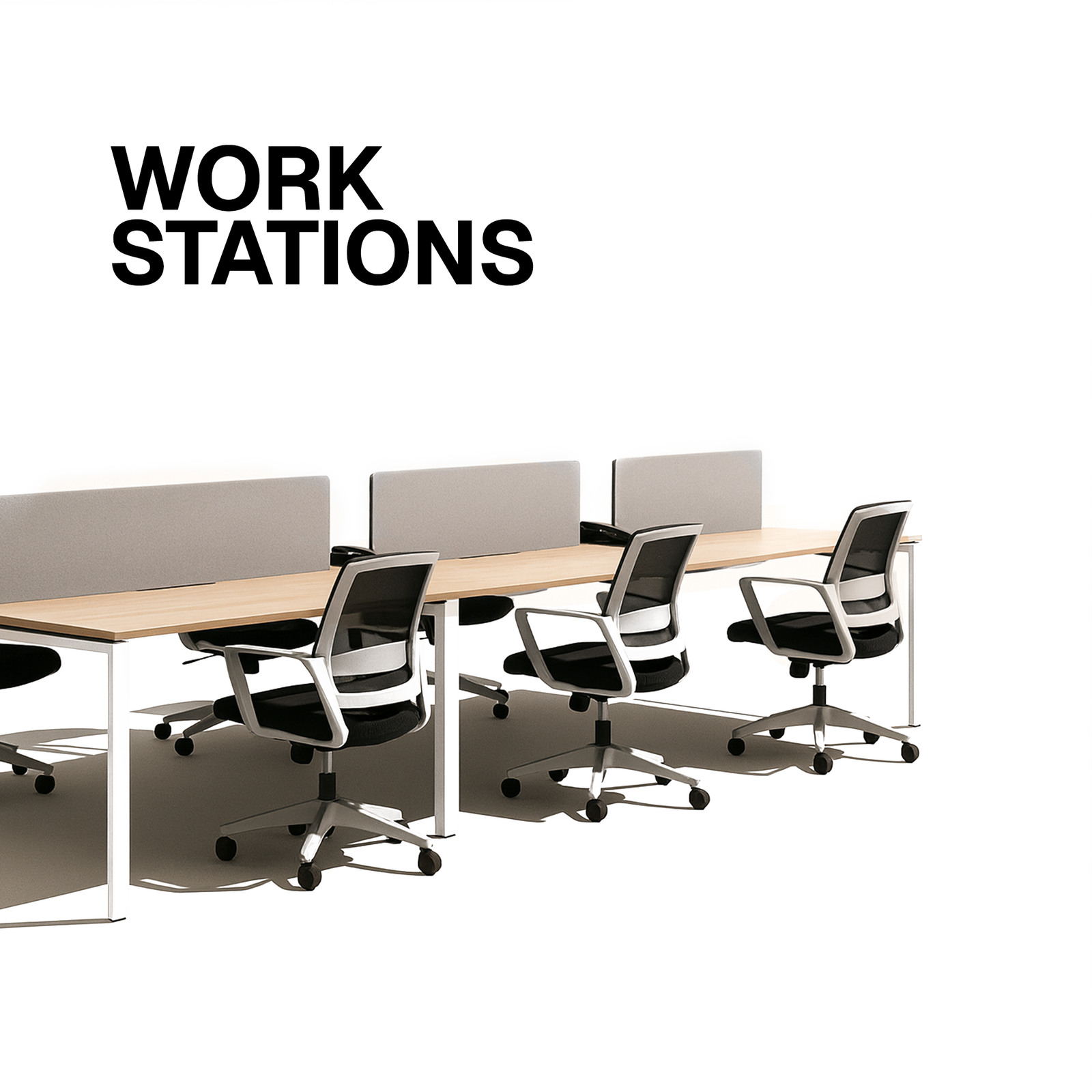


Tips for Adjustable Height Desks to Boost Productivity

Ergonomics Enthusiast & Remote‑Work Coach
Table of Contents
1. Why Adjustable‑Height Desks Are More Than a Trend
2. The Science Behind Movement & Focus
3. Setting Up for Success – The “Desk‑Ready” Checklist
4. Tip 1 : Master the 20‑20‑20 “Sit‑Stand Rhythm”
5. Tip 2 : Perfect Your Posture (Standing & Sitting)
6. Tip 3 : Optimize Your Screen & Keyboard Placement
7. Tip 4 : Integrate Micro‑Movements & Stretch Breaks
8. Tip 5 : Choose the Right Accessories (Mat, Monitor Arm, etc.)
9. Tip 6 : Personalize Your Workflow for Both Positions
10. Tip 7 : Keep Your Desk Clean, Quiet, and Ready
11. Tip 8 : Use Data & Apps to Track Your Habits
12. Tip 9 : Mindset & Mental‑Health Hacks for the Sit‑Stand Switch
13. Real‑World Case Studies – From Freelancer to Fortune 500
14. Common Pitfalls (and How to Dodge Them)
15. Final Takeaway: Build a Habit, Not a Gimmick
1. Why Adjustable‑Height Desks Are More Than a Trend
If you’ve walked into a modern office—or even a coworking space—over the past few years, you’ve probably seen a sea of desks that glide up and down at the flick of a button. The hype is real, but so is the data. A 2022 meta‑analysis of 23 ergonomic studies (Journal of Occupational Health) found that workers who used sit‑stand desks reported 15‑30 % higher self‑rated productivity and a 38 % reduction in low‑back pain compared with static‑height workstations.
But a desk alone won’t magically make you a superhero. It’s a platform—a tool that, when paired with intentional habits, can:
Boost circulation (standing encourages blood flow, reducing fatigue).
Sharpen focus (the subtle shift in posture triggers a brief “alert” response in the brain).
Cut the “couch‑potato” slump that leads to eye strain, sluggishness, and missed deadlines.
In short: an adjustable‑height desk is a catalyst for a more active, mindful workday.
2. The Science Behind Movement & Focus
Biological Mechanism How It Affects Work
Muscle‑pump circulation – contracting leg muscles while standing push venous blood back to the heart. More oxygenated blood reaches the brain → sharper cognitive processing.
Proprioceptive feedback – the nervous system constantly monitors body position. Changing that position forces a brief “reset”. A natural “brain‑refresh” that can break monotony and improve attention spans.
Neuro‑transmitter release – light activity raises dopamine and norepinephrine levels. Heightened motivation, better mood, and less perceived effort on tasks.
Reduced static load – sitting for >2 hrs compresses intervertebral discs; standing distributes load more evenly. Decreased musculoskeletal discomfort → fewer distractions.
Bottom line: Movement is the brain’s built‑in productivity booster. The desk merely removes the friction between intention and action.
3. Setting Up for Success – The “Desk‑Ready” Checklist
Before you dive into the tips, make sure your workstation meets the baseline ergonomic standards. A poorly calibrated desk can cause more harm than good.
Item Recommended Setting Why It Matters
Desk height (standing) Elbows at ~90° when hands rest on keyboard; forearms parallel to floor. Prevents shoulder hunch and wrist strain.
Desk height (sitting) Same elbow angle; chair height adjusted so feet rest flat, thighs parallel to floor. Maintains neutral spine.
Monitor top At or slightly below eye level; ~20‑30 in away (or arm’s length). Reduces neck extension/flexion and eye fatigue.
Keyboard & mouse Wrist neutral, elbows close to body. Use a negative‑tilt wrist rest if needed. Minimizes carpal tunnel risk.
Anti‑fatigue mat Optional but recommended for standing >30 min at a time. Cushions joints, encourages subtle micro‑movements.
Cable management Loose cords routed away from foot traffic. Prevents tripping and visual clutter.
Once everything aligns, you’re ready to fine‑tune the habits that truly lift productivity.
4. Tip 1 : Master the 20‑20‑20 “Sit‑Stand Rhythm”
The Rule: Every 20 minutes, switch position for at least 20 seconds.
Why 20 seconds? It’s long enough to engage core stabilizers and leg muscles, yet short enough to avoid fatigue. The “20‑minute” interval matches the natural dip in attention that most people experience after ~15‑20 minutes of steady focus.
How to implement:
1. Set a soft timer (phone, smartwatch, or a desktop app like Workrave).
2. When the alarm rings, stand up, stretch your arms overhead, and walk to the water cooler or simply shift weight from one leg to the other.
3. Reset after 20 seconds and return to your previous position, or—if you’ve hit the 1‑hour mark—make a full transition to the opposite stance.
Result: You’ll notice fewer “brain‑fogs” and a more consistent energy curve throughout the day.
5. Tip 2 : Perfect Your Posture (Standing & Sitting)
Sitting Posture Checklist
Body Part Correct Alignment
Head Ears over shoulders; chin parallel to floor.
Shoulders Relaxed, not hunched.
Upper back Slight lumbar curve maintained by chair lumbar support.
Forearms Parallel to floor, elbows at ~90°.
Feet Flat on floor, knees at ~90°.
Standing Posture Checklist
Body Part Correct Alignment
Head Same as sitting.
Shoulders Slightly pulled back, relaxed.
Spine Neutral S‑curve; avoid overarching the lower back.
Knees Soft bend (not locked).
Weight distribution Even between both feet; consider a slight shift every few minutes.
Pro tip: Use a mirror or a quick phone video to self‑audit. Small adjustments (e.g., nudging the monitor up a centimeter) can make a huge difference over time.
6. Tip 3 : Optimize Your Screen & Keyboard Placement
1. Dual‑monitor setups: Align the primary screen directly in front of you at eye level. The secondary monitor can be angled slightly inward to avoid neck rotation.
2. Keyboard tray: If your desk has a tray, set it so the keyboard sits 2‑3 inches below elbow height—this reduces shoulder elevation.
3. Mouse distance: Keep the mouse close to the keyboard; a “mouse‑to‑keyboard” distance > 10 inches often leads to shoulder strain.
4. Use a stand or riser for laptops: Treat the laptop as a monitor and pair it with an external keyboard & mouse to keep the screen at the proper height.
7. Tip 4 : Integrate Micro‑Movements & Stretch Breaks
Even if you follow the 20‑20‑20 rule, you’ll still spend blocks of time in relatively static positions. Counteract that with micro‑movements:
Micro‑movement How to Do It Frequency
Heel‑toe rocks Shift weight from heels to toes, gently rocking. Every 2 minutes while standing.
Neck rolls Slow clockwise & counter‑clockwise circles. After each sit‑stand transition.
Wrist flexor stretch Extend arm, palm up, gently pull fingers back. 3‑5 seconds each hand.
Hip openers Stand on one leg, bring opposite knee up, rotate outward. 10 seconds per side, twice a day.
Desk‑side squats Use the desk for balance, perform 5‑10 shallow squats. 1 minute after 2 hours of sitting.
These tiny motions keep blood flowing, maintain joint lubrication, and reset your nervous system, all without pulling you away from the task at hand.
8. Tip 5 : Choose the Right Accessories (Mat, Monitor Arm, etc.)
Accessory Why It Matters Best‑Practice
Anti‑fatigue mat Reduces foot/leg fatigue, encourages subtle sway. Replace every 12‑18 months; clean regularly.
Adjustable monitor arm Allows effortless height/tilt changes without moving the whole desk. Lock in a neutral position, then fine‑tune per task.
Keyboard tray with tilt Keeps wrists neutral, especially when seated. Keep tilt shallow (≤ 5°) to avoid over‑extension.
Cable management sleeve Keeps cords organized, prevents accidental pulls. Group power & data cables separately.
Desk organizer (tray, drawer) Reduces visual clutter, frees up workspace for movement. Keep only daily essentials; store extras out of sight.
Desk lamp with adjustable arm Ensures consistent lighting while you change heights. Aim for 400–500 lux on the work surface.
Investing in quality accessories can be the difference between “I can’t keep my desk tidy” and “My desk becomes a productivity hub.”
9. Tip 6 : Personalize Your Workflow for Both Positions
When Sitting
Deep‑focus tasks (coding, writing, data analysis) benefit from a seated posture because it allows fine motor control and a stable platform for long stretches of concentration.
Set up “focus zones”: Use noise‑cancelling headphones, a minimal‑distraction background, and a “do‑not‑disturb” sign on your monitor.
When Standing
Creative brainstorming, quick calls, or email triage often feel more fluid while standing—your body is already primed for movement, which can spark divergent thinking.
Use a standing‑friendly layout: Keep a whiteboard or sticky‑note wall at reachable height to capture ideas on the fly.
Hybrid workflow: Schedule your day in blocks—e.g., 9:00‑10:30 am (sit for deep work), 10:30‑11:00 am (stand for email triage), 11:00‑12:30 pm (sit again), etc. The rhythm will train your brain to associate each posture with a specific type of work, reinforcing habit formation.
10. Tip 7 : Keep Your Desk Clean, Quiet, and Ready
A cluttered surface forces you to fidget, slows down task switching, and can inadvertently discourage standing (you don’t want to knock over items).
Weekly wipe‑down: Use a microfiber cloth and a mild screen‑safe cleaner.
Daily “reset”: At the end of each workday, place all items back in their designated spots, wipe the mat, and power down the desk if it has a memory‑hold feature.
Noise control: If your desk motor is loud, consider a soft‑close mat or place a small piece of foam under the legs to dampen vibration.
A tidy, quiet desk becomes a psychological cue for productivity—a clean canvas invites focus.
11. Tip 8 : Use Data & Apps to Track Your Habits
The best way to cement a new habit is to measure it. Several tools make this effortless:
App/Tool What It Tracks How to Use It
StandUp! (iOS/Android) Time spent standing vs. sitting Set custom alerts, view weekly graphs.
RescueTime Computer activity, focus vs. distraction Pair with sit‑stand data to see productivity correlation.
ErgoPulse (browser extension) Posture reminders via webcam Get nudges when you slouch.
Google Sheets + IFTTT Custom logging of desk height changes (via smart desk API) Visualize trends over weeks/months.
Fitbit/Apple Watch Overall activity, heart rate variability (HRV) Correlate HRV spikes with standing periods.
Review the data every Friday: note when you felt most “in the zone,” which tasks aligned with each posture, and adjust the schedule accordingly.
12. Tip 9 : Mindset & Mental‑Health Hacks for the Sit‑Stand Switch
1. Reframe the Transition
Instead of thinking “I have to get up,” ask “What can I accomplish while I’m up?” This subtle mental shift makes standing feel purposeful rather than punitive.
2. Micro‑Goal Setting
Set a tiny, achievable goal for each standing block (e.g., “draft three bullet points”). The sense of progress fuels motivation to keep moving.
3. Visualization
Spend 10 seconds visualizing how a standing break will make you feel—more energy, clearer thoughts. The brain often pre‑emptively prepares the body for the desired state.
4. Gratitude Anchor
When you finish a standing session, note one positive outcome (e.g., “I felt less shoulder tension”). Over time, the brain associates standing with reward.
5. Social Accountability
If you work in an office or coworking space, set a “stand‑together” cue with a colleague. Peer support dramatically improves adherence (study by Harvard Business Review, 2023).
13. Real‑World Case Studies – From Freelancer to Fortune 500
Case 1: Maria, Freelance Graphic Designer
Background: 40‑hour weeks, chronic lower‑back pain, missed deadlines due to fatigue.
Intervention: Adopted a 45‑cm electric sit‑stand desk, set 20‑minute timer, added anti‑fatigue mat.
Outcome (3 months):
Reported 70 % drop in back pain.
Completed projects 15 % faster (average turnaround 4.8 days vs. 5.6).
Added a 30‑minute “creative stand” session each morning, which sparked a new portfolio line that landed a $10k client.
Case 2: David, Software Engineer at a Fortune 500 Firm
Background: 8‑hour seated coding marathons, frequent eye strain, low energy after lunch.
Intervention: Desk with programmable heights, integrated monitor arm, and a smartwatch that prompted a 20‑second stand every 20 minutes.
Outcome (6 months):
Productivity score (JIRA velocity) rose by 22 %.
Self‑reported focus levels increased from 6/10 to 8/10.
Annual health claim costs dropped after the company offered a subsidized anti‑fatigue mat.
Case 3: The “Hybrid Team” at a Marketing Agency
Background: Mixed remote/on‑site staff, complaints about “desk fatigue.”
Intervention: Company rolled out a “Sit‑Stand Playbook” (the very tips you’re reading) plus a shared Slack channel for “standing check‑ins.”
Outcome (quarterly review):
Team average screen‑time per day fell from 9 hrs to 7.5 hrs (thanks to micro‑breaks).
Employee satisfaction survey rose 12 points.
Client turnaround time improved by 9 % due to fewer “brain‑fogs” during campaign crunches.
These stories illustrate that the benefits are scalable—from solo entrepreneurs to large enterprises. The common denominator? A consistent habit, not just a piece of furniture.
14. Common Pitfalls (and How to Dodge Them)
Pitfall Why It Happens Fix
Staying standing for too long Excitement about the new desk → “I’ll just stay up all day.” Follow the 20‑20‑20 rule; set a maximum standing block (e.g., 60 min).
Forgetting to adjust the monitor Muscle memory keeps the screen at the same height as when you were seated. Program your desk’s memory presets (sitting vs. standing).
Cluttered surface leading to “desk‑aversion” More items on the desk = more risk of knocking things over while standing. Adopt a minimalist “one‑in, one‑out” policy for desk items.
Relying on the desk alone for activity Believing the desk solves all health concerns. Pair with regular walks, stretches, and a standing‑friendly office layout.
Ignoring personal comfort Trying to copy someone else’s height settings without testing. Use the “elbow‑90°” rule as a baseline, then fine‑tune by feel.
Awareness of these traps early on keeps you from back‑sliding into old habits.
15. Final Takeaway: Build a Habit, Not a Gimmick
An adjustable‑height desk is an enabler, not a miracle cure. Its power lies in how consistently you leverage its flexibility. Here’s a quick 5‑step starter plan you can implement today:
1. Calibrate: Set your sitting and standing heights using the 90° elbow rule.
2. Timer‑Set: Activate a 20‑minute timer on your phone or computer.
3. Micro‑Movement: Perform a 20‑second stretch each time the timer fires.
4. Log: Use a simple spreadsheet to note how you felt after each standing block.
5. Iterate: After one week, review the log. Adjust the length of standing periods, add a short “creative stand” block, or tweak your chair height.
Stick to this loop for three weeks, and you’ll likely notice:
Less mid‑day slump.
Fewer aches and a steadier energy curve.
A measurable bump in task completion speed.
Remember, productivity is a marathon, not a sprint. Your adjustable‑height desk is the training ground where you build endurance, agility, and mental sharpness. Treat it with intention, and watch your work—and well‑being—reach new heights.
Bonus: Quick Reference Cheat Sheet (Print & Pin)
“`
┌─────────────────────┐
│ 20‑20‑20 RULE │
│ • Every 20 min → │
│ stand 20 sec │
│ • Every 1 hr → │
│ full transition │
└─────────────────────┘
┌─────────────────────┐
│ POSTURE SNAP‑CHECK │
│ • Head → ears over │
│ shoulders │
│ • Elbows 90° │
│ • Feet flat / │
│ weight evenly │
└─────────────────────┘
┌─────────────────────┐
│ ACCESSORY QUICK‑LIST│
│ • Anti‑fatigue mat │
│ • Monitor arm │
│ • Keyboard tray │
│ • Cable sleeves │
│ • Desk lamp │
└─────────────────────┘
“`
Print it, tape it to the side of your monitor, and let it serve as a daily reminder that standing up is just the first step toward a more productive you.
Ready to stand taller, work smarter, and feel better? Grab your adjustable‑height desk, apply these tips, and start logging those wins. Your future self (and your spine) will thank you.
Happy standing!
If you found this guide helpful, share it with a colleague or post it on your team’s intranet. Let’s spread the “stand‑up” movement—one desk at a time.