

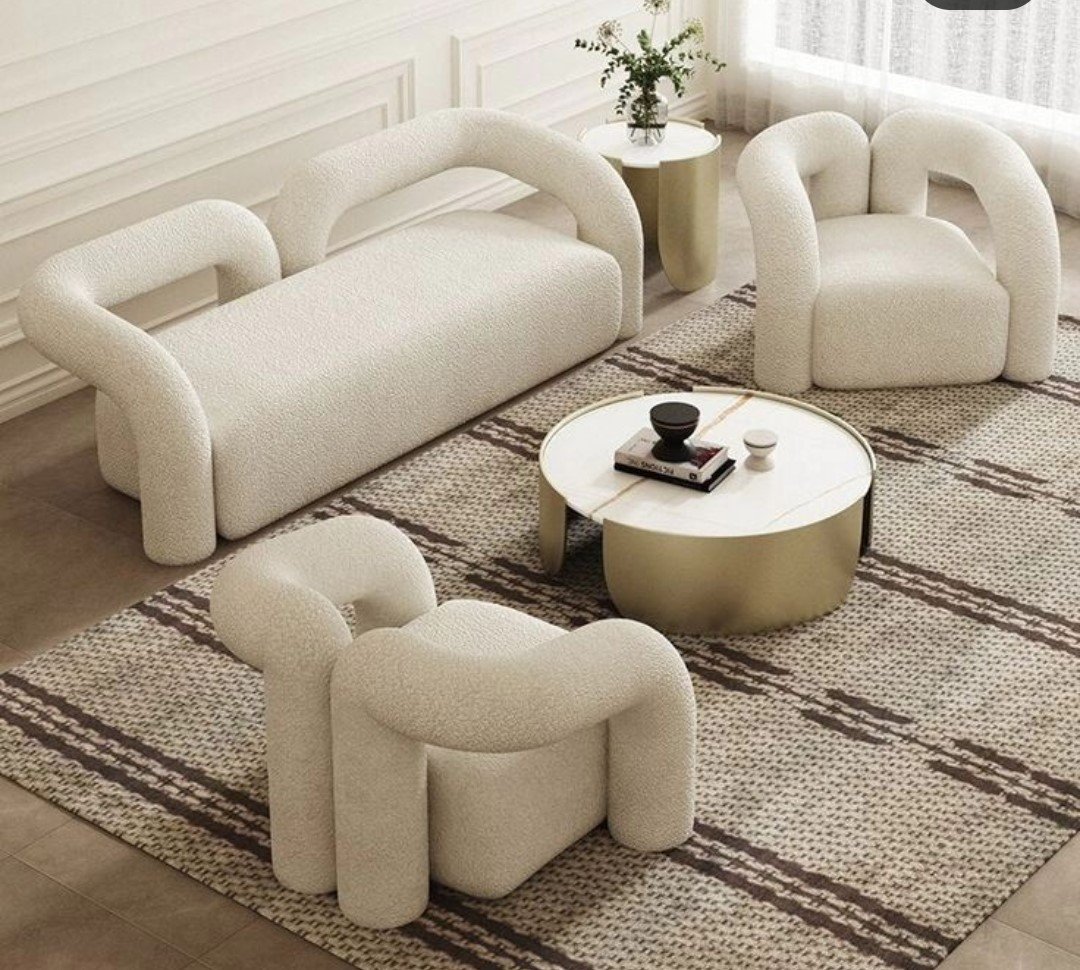
The Ultimate Sofa Buying Guide for Indian Homes: Comfort, Climate, and Chai-Ready Couches
Buying a sofa in India is not just a furniture purchase; it is an investment in the heart of your home. It is where you entertain guests over evening tea, where the family gathers for weekend movie marathons, and often, where an unexpected guest spends the night.
But navigating the Indian furniture market can be overwhelming. From battling humid monsoons and intense summers to ensuring the fabric survives the daily wear and tear of a bustling joint family, the Indian context demands a specific set of rules.
Here is your definitive guide to finding the perfect sofa for your home.
1. Measure Twice, Buy Once: Nailing the Dimensions
Before you even look at a catalog, grab a measuring tape. Modern Indian apartments, especially in cities like Mumbai or Bengaluru, often have space constraints.
-
Map the Floor: Measure the maximum length and width of the area where the sofa will sit. Leave at least 18 to 24 inches of walking space around it so the room doesn’t feel cramped.
-
The “Doorway” Check: This is the most common mistake buyers make! Measure the width of your main door, the elevator, and your staircases. A massive, plush sofa is of no use if it gets stuck on the ground floor of your apartment building.
2. Pick a Style that Suits Your Lifestyle
The shape and type of your sofa should directly reflect how you use your living room.
-
L-Shaped / Sectional Sofas: Ideal for optimizing corners in modern, open-plan apartments. They offer maximum seating without eating up the center of the room.
-
Sofa-cum-Beds: The unsung hero of Indian hospitality. If you frequently have relatives or friends staying over but don’t have a dedicated guest room, a modular sofa-cum-bed with hidden storage is a lifesaver.
-
Traditional Wooden Sofas (3+1+1): Perfect for larger homes or those who prefer a classic, formal aesthetic. They allow for flexible seating arrangements and are incredibly durable.
3. The Frame: Fighting Termites and Time
The frame is the skeleton of your couch. In the Indian climate, which fluctuates between dry heat and heavy monsoons, the right frame material is crucial.
-
Solid Wood (Sheesham, Teak, or Mango Wood): This is the gold standard for India. Solid wood handles temperature variations beautifully, doesn’t warp easily in high humidity, and is naturally resistant to pests and termites when treated. A good wooden frame can easily last 15 to 25 years.
-
Engineered Wood / MDF: While more budget-friendly, these are prone to swelling during the monsoons and generally have a much shorter lifespan (5-7 years).
4. Fabric & Upholstery: Beating the Indian Climate
Your choice of fabric needs to survive dust, spills, fading from intense sunlight, and your local weather conditions.
| Material | Best For | Pros | Cons |
| Cotton / Linen | Hot, humid coastal areas (Chennai, Mumbai) | Highly breathable, comfortable, natural look. | Prone to stains, absorbs moisture, wrinkles easily. |
| Microfiber / Polyester | High-traffic homes with kids and pets | Extremely durable, stain-resistant, easy to clean, quick-drying. | Can feel slightly warm in extreme dry heat. |
| Velvet | Air-conditioned rooms or cooler climates (North India) | Luxurious, rich colors, soft texture. | Traps dust easily, requires regular vacuuming. |
| Leatherette / PU | Offices or homes seeking low maintenance | Very easy to wipe down, spill-proof. | Gets sticky and uncomfortable in hot, un-air-conditioned rooms; can peel over time. |
Pro Tip: Sun fading is a real issue in India. If your sofa sits right next to a large south-facing window, opt for synthetic performance fabrics or medium-toned colors rather than deep, dark cottons that will quickly bleach out.
5. The “Jhadu-Pocha” Factor (Ground Clearance)
In almost every Indian household, sweeping and mopping (jhadu-pocha) is a daily ritual. When buying a sofa, pay attention to the legs. Ensure there is enough ground clearance (at least 4 to 6 inches) so that a broom, mop, or robotic vacuum can easily slide underneath without you having to drag the heavy furniture around daily.
6. Cushioning: Soft vs. Supportive
A sofa might look great, but if it sags after six months, it’s a bad investment.
-
Look for High-Resilience (HR) foam. It offers a great balance of comfort and firmness, springing back to its original shape after you get up.
-
Avoid standard low-density foams, which will compress and permanently flatten under the weight of daily use.
7. Maintenance and Covers
No matter how premium your upholstery is, daily exposure to dust and food means it will get dirty. Consider investing in a sofa with removable, washable cushion covers. Alternatively, do what many Indian households do best: buy a set of high-quality, aesthetic sofa throws or slipcovers. They protect your investment and allow you to change the vibe of your room seasonally without breaking the bank.
