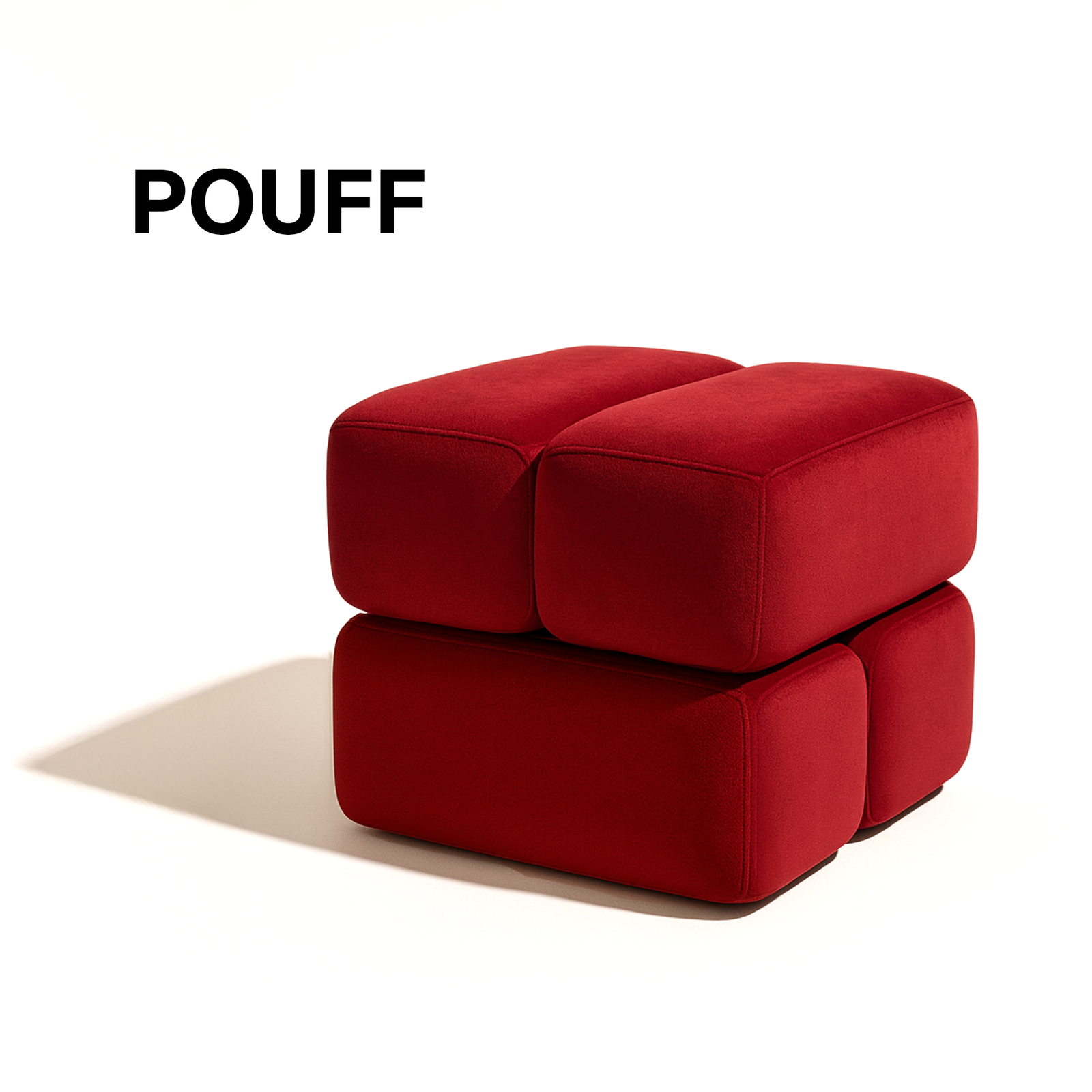


Modular office furniture HITEC City

From cramped cubicles to dynamic, adaptable work zones – discover why modular office furniture is the secret weapon for businesses thriving in Hyderabad’s buzzing tech hub.
Table of Contents
1. Why HITEC City is the Epicenter of a Furniture Revolution
2. What Exactly Is “Modular” Office Furniture?
3. Key Benefits for Companies in HITEC City
3.1 Flexibility & Future‑Proofing
3.2 Space Optimization in High‑Value Real Estate
3.3 Boosted Employee Well‑Being & Productivity
3.4 Cost‑Effectiveness & Faster ROI
3.5 Sustainability & Green Credentials
4. Design Trends Shaping HITEC City Offices in 2025
5. Local Suppliers & Showrooms You Should Know
6. How to Choose the Right Modular System for Your Business
7. Implementation Checklist – From Planning to Roll‑out
8. Case Studies: Real‑World Success Stories
9. Future Outlook: What’s Next for Modular Furniture in HITEC City?
10. FAQs
1. Why HITEC City is the Epicenter of a Furniture Revolution
HITEC City (Hyderabad Information Technology and Engineering Consultancy City) is not just a collection of glass‑and‑steel towers; it’s a living, breathing ecosystem of startups, multinational corporations, R&D labs, and creative agencies. According to the Telangana State Government’s 2024 Economic Survey:
> 2.5 million people work within the 50‑km radius of HITEC City.
Real‑estate prices for premium office space have risen 12 % YoY over the past three years.
Hybrid and remote‑first models dominate, with 78 % of firms offering flexible work‑from‑home options.
These data points create a perfect storm for modular office furniture. Companies need flexible, cost‑efficient, and future‑ready solutions that can adapt to changing team sizes, evolving work styles, and the premium cost of square footage.
> “Our office layout changes every quarter as teams grow, shrink, or shift to project‑based work. Modular furniture is the only way we can keep up without a complete redesign.” — Neha R., HR Lead, FinTech Startup, HITEC City
2. What Exactly Is “Modular” Office Furniture?
Modular office furniture refers to interchangeable, pre‑engineered components—desks, panels, storage units, acoustic partitions—that can be re‑configured, added, or removed without major construction. Think of LEGO blocks for the workplace, but with ergonomic standards, premium finishes, and smart‑technology integration.
Core Characteristics
Feature Explanation
Standardized Dimensions Uniform width, height, and connection points enable endless combinations.
Tool‑Less Assembly Most systems snap, slide, or bolt together with minimal tools.
Scalable Architecture Add new modules as you grow; remove them if you downsize.
Integrated Services Cable management, power outlets, USB ports, and even IoT sensors can be built in.
Design Flexibility From open collaborative hubs to private pods, all can be achieved with the same component pool.
3. Key Benefits for Companies in HITEC City
3.1 Flexibility & Future‑Proofing
Hybrid Workflows: Create “hot‑desking” zones that can be transformed into focus rooms in minutes.
Project‑Based Teams: Rapidly re‑allocate desks for a 6‑month AI research sprint without disrupting other departments.
3.2 Space Optimization in High‑Value Real Estate
Higher Density without Cramping: Modular workstations can be positioned at 1.2 m – 1.4 m intervals, maximizing floor usage while maintaining comfort.
Dynamic Zoning: Convert under‑utilized corridors into “micro‑collaboration pods” during peak periods and revert to storage later.
3.3 Boosted Employee Well‑Being & Productivity
Ergonomic Choices: Adjustable desk heights, movable monitor arms, and interchangeable task lighting let employees tailor their environment.
Acoustic Control: Modular acoustic panels reduce noise levels by up to 15 dB, vital in open‑plan environments common in HITEC City.
3.4 Cost‑Effectiveness & Faster ROI
Lower Fit‑out Costs: No need for custom carpentry or extensive civil work; installation can be done in a day per floor.
Reduced Relocation Expenses: When moving to a new building, modules can be disassembled, shipped, and re‑assembled, cutting moving costs by 30‑40 %.
3.5 Sustainability & Green Credentials
Recyclable Materials: Many leading manufacturers in Hyderabad use FSC‑certified wood, recycled steel, and low‑VOC finishes.
Circular Economy: Modules can be swapped, upgraded, or repurposed, extending product life and reducing waste.
4. Design Trends Shaping HITEC City Offices in 2025
Trend What It Looks Like Why It Resonates in HITEC City
Biophilic Modular Pods Integrated planter boxes, living walls on modular panels Supports employee mental health; aligns with Hyderabad’s emphasis on wellness.
Smart Furniture Sensors for occupancy, climate control, and posture correction Enables data‑driven space management and aligns with the city’s tech‑forward culture.
Micro‑Learning Zones Compact, movable “learning islands” with whiteboards and charging stations Perfect for upskilling workshops and rapid knowledge sharing.
Color‑Coded Collaboration Modules in different hues to signify function (e.g., blue for focus, orange for brainstorming) Helps navigation in large campuses like Cyberabad.
Hybrid Desk‑to‑Desk Systems Desks that can switch between sit‑stand, sit‑sit, or collaborative bench layouts Matches the fluid hybrid work schedules prevalent post‑COVID.
5. Local Suppliers & Showrooms You Should Know
Company Signature Product Showroom (Location) Notable Projects
Godrej Interio – Modular Series FlexiSpace – stackable desk + acoustic panel system Road No. 10, Gachibowli Infosys, Microsoft India
Herman Miller India MELI – modular office system with smart integration Hitech City, Banjara Hills Deloitte, Accenture
Kokuyo Furniture India Modular Cubic – compact, reconfigurable workstations Gachibowli, Near Wipro Campus Amazon Development Center
Ikea Hyderabad (newly opened 2024) BEKANT modular desk series Shamirpet, near HITEC City Start‑up co‑working hubs
Space Solutions FlexiPod – movable privacy pods with acoustic foam Miyapur, near Mindspace Capgemini, Tech Mahindra
These suppliers offer local manufacturing, which translates into shorter lead times (often < 30 days) and after‑sales service that’s crucial for the fast‑paced environment of HITEC City.
6. How to Choose the Right Modular System for Your Business
Step 1 – Map Your Workflows
Identify core activities: Development, client‑facing, support, research.
Define space‑needs per activity: Collaboration vs. concentration vs. privacy.
Step 2 – Assess the Physical Constraints
Floor load capacity (especially in older buildings).
Ceiling height (affects tall acoustic panels).
Existing MEP services (power, data, HVAC).
Step 3 – Prioritize Features
Priority Typical Need Suggested Module
Ergonomics Adjustable desks for developers Sit‑Stand modular desk with cable tray
Acoustic Privacy Quiet zones for calls Acoustic pod with sound‑absorbing panels
Tech Integration IoT sensors, power Smart desk with built‑in power strips, USB‑C
Mobility Frequent re‑configuration Lightweight, lock‑in‑place workstation
Branding Visual identity Custom‑finished panel fronts, color‑coded units
Step 4 – Test a Pilot Zone
Deploy a small‑scale prototype on a single floor.
Gather employee feedback (comfort, productivity, aesthetics).
Adjust the configuration before scaling.
Step 5 – Evaluate Total Cost of Ownership (TCO)
Initial purchase vs. installation vs. maintenance.
Factor in depreciation (typical 7‑10 years for quality modular furniture).
Compare against traditional fit‑out costs (often 30 % higher for custom carpentry).
7. Implementation Checklist – From Planning to Roll‑out
Phase Tasks Owner Timeline
Discovery Conduct space audit, employee surveys Facilities + HR 2 weeks
Design Create layout options with CAD/BIM tools Interior Designer 3 weeks
Vendor Selection RFP, site visits, sample testing Procurement 4 weeks
Pilot Installation Install modular pods in a test area Facilities 1 week
Feedback Loop Collect usage data, adjust ergonomics HR + IT 2 weeks
Full Roll‑out Staggered deployment floor‑by‑floor Facilities 6‑8 weeks
Post‑Implementation Review KPI analysis (space utilization, employee satisfaction) Ops + Finance 1 month after completion
Key KPI Metrics to Track
Space Utilization Rate (sq ft per employee) – aim ≤ 120 sq ft.
Employee Satisfaction Score – target > 85 % (via pulse surveys).
Energy Savings – measure reduction in HVAC load due to better acoustic panels.
Change‑over Time – minutes to reconfigure a workstation (target < 5 min).
8. Case Studies: Real‑World Success Stories
8.1 FinTech Startup “CredPulse” – Rapid Scaling in 12 Months
Challenge: Hired 150 engineers within six months; existing lease allowed only 80 desks.
Solution: Adopted Herman Miller’s MELI modular system with sit‑stand desks and movable acoustic pods.
Outcome:
Space saved: 30 % (reduced density from 180 sq ft/employee to 125 sq ft).
Time to onboard: New desks ready within 48 hours per floor.
Employee NPS: Jumped from 57 to 78 in three months.
8.2 Global Consulting Firm “StrategicEdge” – Hybrid Model Revamp
Challenge: Need to provide a blend of private focus rooms and collaborative zones for a hybrid workforce of 800.
Solution: Deployed Godrej Interio’s FlexiSpace with interchangeable panels and integrated power/data modules.
Outcome:
Reduced real‑estate cost: Saved ₹2.5 crore by consolidating two floors into one.
Acoustic improvement: Measured 12 dB reduction in background noise.
Carbon footprint: Achieved 15 % lower embodied carbon vs. previous furniture.
8.3 Government IT Department – Future‑Proofing Public Services
Challenge: Frequent policy‑driven team reshuffles; limited budget for office renovations.
Solution: Partnered with Kokuyo’s Modular Cubic to create “plug‑and‑play” workstations that can be re‑assigned via a simple lock‑system.
Outcome:
Budget adherence: Completed within ₹1 crore under the allocated amount.
Implementation speed: Entire floor reconfigured in 3 days.
Employee sentiment: 92 % reported “greater flexibility” in the annual survey.
9. Future Outlook: What’s Next for Modular Furniture in HITEC City?
1. AI‑Driven Space Management – Sensors embedded in modules will feed real‑time occupancy data to building‑management platforms, automatically suggesting re‑configurations.
2. AR/VR Planning Tools – Companies will use augmented reality to visualize modular layouts before purchase, shortening decision cycles.
3. Zero‑Waste Circular Programs – Leading manufacturers are launching take‑back schemes, offering credit for old modules, encouraging a cradle‑to‑cradle lifecycle.
4. Health‑First Modules – Integration of air‑purification panels, antimicrobial surfaces, and wellness lighting will become standard.
5. Localized 3D‑Printed Components – Small‑batch, on‑demand printed connectors and accessories will reduce inventory overhead and allow hyper‑customization for local cultural aesthetics (e.g., incorporating Telangana motifs).
10. FAQs
Q1. How long does it take to install a modular office system?
Typically 1‑2 days per floor, depending on the complexity and the number of modules. Most vendors promise “turnkey” installation with minimal disruption.
Q2. Are modular desks as sturdy as traditional fixed desks?
Yes. High‑quality modular desks use engineered wood, steel frames, and reinforced joints that meet or exceed ANSI/BIFMA standards for load‑bearing capacity.
Q3. Can modular furniture accommodate heavy equipment (e.g., servers, 3‑D printers)?
Absolutely. Many manufacturers offer reinforced storage columns, raised platforms, and dedicated power modules designed for high‑weight loads.
Q4. What happens if a component breaks?
Because modules are standardized, a broken panel can be swapped out in a few hours. Most suppliers provide a 5‑year warranty on structural parts.
Q5. Does modular furniture increase the resale value of the office?
While it doesn’t directly affect property value, it enhances the functional value of the lease, making the space more attractive to future tenants and often allowing landlords to command higher rents.
Closing Thoughts
HITEC City’s relentless pace of innovation demands workspaces that can move as fast as ideas. Modular office furniture is no longer a niche trend—it’s a strategic asset that aligns cost efficiency, employee wellbeing, sustainability, and technological integration into one adaptable package.
Whether you’re a startup looking to maximize a 5,000 sq ft lease, a multinational seeking a seamless hybrid model, or a government agency needing rapid re‑allocation, the modular approach offers a future‑proof blueprint for success.
Take the next step: Conduct a quick space audit, explore the local vendors listed above, and pilot a modular zone on your floor. In a city where every square foot matters, the flexibility you gain today will pay dividends in productivity, talent attraction, and bottom‑line growth tomorrow.
Ready to re‑imagine your HITEC City office? The modular revolution is waiting—let’s build it together.