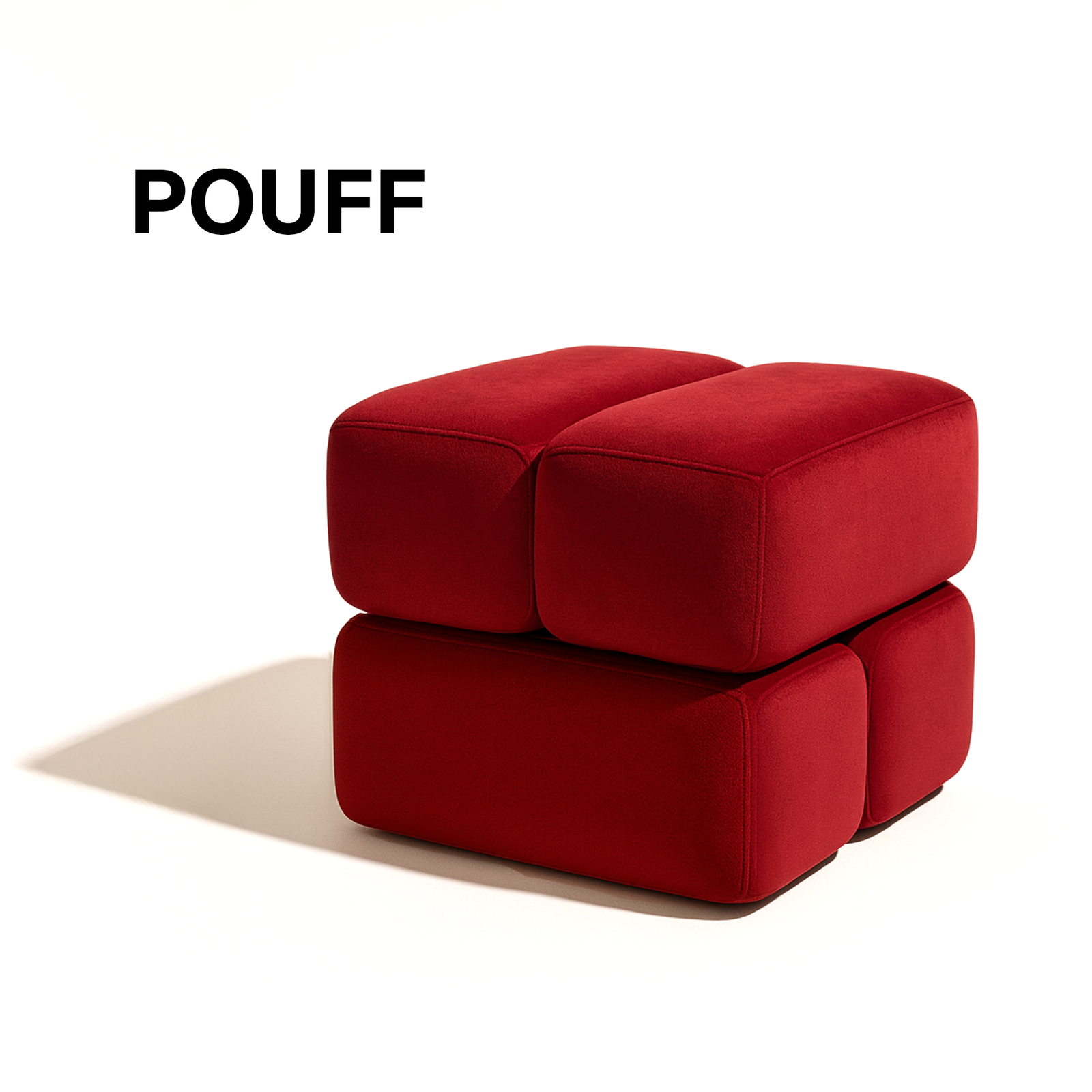


How to Choose Office Sofas for Lounge Areas

When the workday stretches into its second half, employees instinctively look for a place to decompress, brainstorm, or have an informal chat. The office lounge isn’t just a “break‑room” any more; it’s a strategic hub where creativity, culture, and community converge. At the heart of that hub sits the office sofa—a piece of furniture that can either elevate the space or make it feel like an afterthought.
Choosing the right sofa for a lounge area is far more nuanced than picking the most stylish couch you see on a catalog. It’s about ergonomics, durability, brand storytelling, acoustic performance, and even the psychology of how people interact within a space. In this 1,500‑plus‑word guide, we’ll walk you through every factor you need to consider, from the macro (company culture) to the micro (fabric grain). By the end, you’ll have a clear roadmap to select a sofa—or a suite of sofas—that truly supports your organization’s goals.
1. Start with Purpose: What Do You Want the Lounge to Achieve?
Before you even glance at a swatch board, define the functional and emotional objectives of your lounge.
Goal Sofa Characteristics that Support It
Casual Collaboration Modular, low‑profile seating that can be rearranged quickly; firm cushions for upright posture
Quiet Recharge Deep, plush cushions; high backrests; sound‑absorbing upholstery; individual “nooks”
Client Impressiveness High‑end materials (leather, premium velvet); sleek silhouette; brand‑aligned color palette
Wellness & Movement Sofas with integrated recline, lumbar support, or even active‑seating options
Brand Storytelling Custom‑fabric prints, signature colors, locally‑sourced materials that reflect company values
Ask yourself: Is the lounge a place for informal meetings, a quiet refuge, a showcase for visitors, or all of the above? The answer will filter every subsequent decision.
2. Ergonomics & Health: Comfort That Encourages Use
A beautiful sofa that causes a sore back after ten minutes will quickly become a storage unit for forgotten coffee mugs. Ergonomic considerations are non‑negotiable.
2.1 Seat Depth & Height
Seat Depth (15‑20 inches) – Allows most users to sit with feet flat on the floor while still providing a “nesting” feel.
Seat Height (17‑19 inches) – Matches the average adult leg length, easing transitions to and from standing.
2.2 Backrest Angle & Lumbar Support
Back Angle (100°‑110°) – A slightly reclined angle reduces spinal pressure while still supporting conversation.
Built‑in Lumbar Pads – Look for sofas with either contour‑molded foam or adjustable lumbar inserts.
2.3 Cushioning Materials
High‑Resilience Foam (HRF) – Bounces back quickly, ideal for high‑traffic environments.
Memory Foam Layers – Offer individualized comfort but may compress over time; best as a top layer over HRF.
Gel‑Infused or Latex Cores – Provide temperature regulation—great for climate‑controlled offices.
2.4 Accessibility
Arm Height & Width – Keep arms low enough (≈ 2‑3 inches from seat) to assist users with limited mobility.
Seat Width – Minimum 20‑22 inches per seat to accommodate a range of body types without crowding.
> Pro Tip: If possible, request a “sit‑test” from the supplier. Employees can try the sofa for a few minutes, providing real‑world feedback before a bulk purchase.
3. Durability & Maintenance: The Reality of Office Traffic
Office lounges see a lot of footfall, spilled coffee, and the occasional dog‑walk‑in (thanks, remote‑work culture). Choose sofas built to survive.
3.1 Frame Construction
Solid Hardwood (Maple, Oak, Beech) – Offers superior strength and resistance to warping.
Metal Reinforcement – Steel brackets at joints provide extra stability for modular pieces.
3‑4. Upholstery Fabric
Fabric Pros Cons Ideal Use
Performance Velvet Soft, luxurious look; high durability (up to 15,000 rubs) Slightly higher cost Upscale client lounges
Solution‑Dyed Nylon/Polyester Stain‑resistant, colorfast, easy to clean Can feel less “premium” High‑traffic employee zones
Leather (Full‑grain or Top‑grain) Classic, ages well, easy to wipe Prone to scratching; temperature sensitive Executive or reception areas
Eco‑Friendly Recycled Fabrics Sustainable, often antimicrobial May have limited color range Green‑focused brands
Microfiber (Polyester) Soft, resistant to water & oil stains Can pill over time Casual break rooms
3.3 Cushion Fill Longevity
High‑Resilience (HR) Foam – Maintains shape for 5‑7 years in office conditions.
Dura‑Foam™ – A proprietary blend used in hospitality that resists compression.
3.4 Protective Treatments
Urethane Coating – Adds a water‑repellent barrier for spill resistance.
Anti‑Microbial Finishes – In light of heightened health concerns, fabrics treated with silver‑ion or copper‑based agents inhibit bacterial growth.
3.5 Warranty & Service Plans
Look for at least a 5‑year structural warranty and a 2‑year fabric warranty that covers stains, fading, and seam failure.
Some vendors offer a maintenance package (quarterly cleaning, cushion replacement)—a worthwhile investment for large campuses.
4. Aesthetic Alignment: Making the Sofa Speak Your Brand
Your lounge is an extension of your corporate identity. Sofas can subtly (or boldly) convey values, culture, and personality.
4.1 Color Psychology
Deep Blues & Greens – Connote stability, trust, and calm. Ideal for finance or healthcare firms.
Warm Oranges & Yellows – Spark creativity and optimism. Perfect for tech startups.
Neutral Tones (Gray, Taupe, Beige) – Provide a canvas for accessories; versatile across industries.
Bold Accents (Red, Royal Purple) – Use sparingly as statement pieces to energize the space.
4.2 Material Storytelling
Reclaimed Wood Frames – Communicate sustainability.
Hand‑woven Textiles – Highlight artisanal craftsmanship and support local economies.
Metallic Finishes – Evoke a modern, industrial vibe for creative agencies.
4.3 Style Consistency
Mid‑Century Modern – Clean lines, tapered legs—great for a timeless look.
Scandinavian Minimalism – Light wood, simple silhouettes—focus on airy, uncluttered spaces.
Contemporary Luxe – Oversized, plush, often paired with high‑gloss metal accents—ideal for premium client spaces.
4.4 Custom Branding Opportunities
Embroidered Logos – Subtle placement on armrests or back cushions.
Monochrome Prints – A tone‑on‑tone pattern that incorporates brand colors.
Interactive Panels – Sofas with built‑in touch screens or QR codes for internal communication.
> Design Insight: A “signature” sofa can become a photo‑op backdrop for social media, employee newsletters, or recruitment videos—amplifying brand reach far beyond the office walls.
5. Space Planning & Layout Flexibility
The size and shape of your lounge dictate the sofa configuration. Poor spatial planning leads to traffic bottlenecks and underutilized seating.
5.1 Measure First, Dream Later
Clearance: Keep at least 36‑48 inches of walking space around each sofa for ADA compliance and ease of movement.
Scale: In a 200‑sq‑ft lounge, a single 9‑ft sectional might dominate; instead, opt for two 4‑ft modular pieces.
5.2 Modular vs. Fixed
Modular Sofas (U‑shapes, L‑shapes, individual pieces) allow re‑configuration for events, workshops, or re‑seating.
Fixed Sofas (single continuous sections) provide a cohesive, stable look, ideal for permanent “conversation islands.”
5.3 Zoning with Sofas
Collaboration Zone: Low‑back, sofa‑chairs around a coffee table encourage quick stand‑ups.
Quiet Zone: Deep, high‑back sofas placed against acoustic panels create semi‑private “pods.”
Reception Zone: A stylish, welcoming sofa set directly opposite the entrance makes a strong first impression.
5.4 Integrating Technology
Power Outlets & USB Ports: Built into the sofa frame or adjacent side tables.
Cable Management Grommets: Keep cords hidden and safe.
Wireless Charging Surfaces: A modern amenity that encourages device usage without clutter.
6. Acoustic Considerations: Let the Sofas Do Some Sound Work
Open‑plan offices can be noisy. Sofas aren’t just for sitting—they can absorb sound, creating a more comfortable auditory environment.
6.1 Fabric Choice
Heavy Velvet or Wool‑Blend fabrics absorb mid‑range frequencies better than smooth leather.
Acoustic‑Grade Foam in cushions adds additional dampening.
6.2 Add‑On Acoustic Panels
Pair sofas with fabric‑wrapped wall panels that echo the sofa’s color palette for a cohesive look.
Ceiling Baffles placed above the lounge can work in tandem with sofa upholstery to lower reverberation time.
6.3 Layout Trick
Staggered Seating: Avoid straight rows; instead, angle sofas slightly to break up sound waves.
7. Sustainability: Green Choices for a Modern Workplace
More companies are measuring success by environmental impact. Choosing sustainable sofas can align with ESG goals and appeal to eco‑conscious employees.
Sustainable Feature Why It Matters
Recycled Content (≥30% post‑consumer fibers) Reduces landfill waste; often certified by Global Recycle Standard.
Low VOC (Volatile Organic Compounds) Finishes Improves indoor air quality.
CertiPURUS® Foam Guarantees foam is made without harmful chemicals.
BIFMA LEVEL™ Certification Verifies compliance with social and environmental standards.
Local Manufacturing Cuts transportation emissions and supports community jobs.
When possible, request Life‑Cycle Assessment (LCA) data from manufacturers to quantify carbon savings.
8. Budgeting: Getting the Most Value for Your Dollars
High‑end sofas can cost $2,000‑$5,000 per seat, while more budget‑friendly options land around $600‑$1,200. However, the cheapest choice often costs more over time due to early replacement.
8.1 Cost‑Benefit Analysis
1. Initial Purchase Price
2. Estimated Lifespan (Years) – Based on warranty and expected wear.
3. Maintenance Costs – Cleaning, occasional cushion replacement.
4. Replacement Frequency – Projected number of replacements over a 10‑year period.
Formula:
`Total Cost of Ownership (TCO) = Purchase Price + (Maintenance × Years) + (Replacement Cost × Number of Replacements)`
8.2 Financing Options
Leasing Programs – Allows rotation of styles every 3‑5 years, keeping the lounge fresh.
Bulk Discounts – Ordering a full set (sofa + chairs + tables) can unlock 10‑15% savings.
Green Incentives – Some municipalities offer tax credits for purchasing furniture with recycled content.
8.3 Hidden Savings
Reduced Sick Days – Ergonomic, antimicrobial sofas can lower the spread of germs.
Higher Employee Retention – Attractive lounge spaces contribute to overall workplace satisfaction scores.
9. Vendor Selection: Partnering with the Right Supplier
A sofa is a long‑term investment; the vendor relationship matters.
9.1 What to Ask
Can you provide samples of upholstery and finish?
Do you offer a “test‑run” period for a single sofa?
What are your lead times for bulk orders and custom colors?
Do you have an on‑site installation team?
How do you handle warranty claims and repairs?
9.2 Vetting Criteria
Portfolio of Corporate Projects – Look for case studies similar to your industry.
Supply Chain Transparency – Ability to trace materials, especially for sustainability claims.
After‑Sales Support – Dedicated account manager, quick response time (<48 hrs).
Reviews & References – Check both online reviews and ask for references from existing B2B clients.
9.3 Sample Vendor List (for inspiration)
Vendor Specialty Typical Price per Seat Notable Clients
Herman Miller High‑end ergonomic seating $2,500 – $4,500 Google, Apple
Steelcase Modular office solutions $1,800 – $3,200 IBM, Deloitte
Knoll Design‑forward, sustainable $2,200 – $4,800 Nike, Ford
Room & Board American‑made, timeless design $1,200 – $2,600 Local startups
Vitra Innovative forms, collaboration‑centric $2,000 – $5,000 Samsung, Disney
10. Implementation Checklist: From Concept to Reality
Phase Action Items Owner Deadline
1. Define Goals Conduct employee survey on lounge usage; outline primary objectives HR & Facilities Week 1
2. Space Audit Measure floorplan, create 3D layout; identify traffic flow Interior Designer Week 2
3. Budget Approval Draft TCO model; get finance sign‑off CFO Week 3
4. Vendor Shortlist Request RFPs; evaluate samples Procurement Week 5
5. Ergonomic Testing Organize “Sofa Day” for staff to try shortlisted models Facilities Week 6
6. Final Selection Choose sofa style, fabric, finish Steering Committee Week 7
7. Order & Production Confirm lead times, schedule delivery Vendor Week 8
8. Installation Coordinate with IT for power/tech integration; install acoustic panels Facilities & IT Week 12
9. Launch & Communicate Host a “Lounge Reveal” event; update intranet Marketing Week 13
10. Review & Iterate Collect post‑occupancy feedback; adjust layout if needed HR & Facilities Month 3
11. Real‑World Examples: Inspiration from Companies That Got It Right
11.1 Tech Startup – “The Hub” (San Francisco)
Goal: Foster spontaneous brainstorming.
Sofa Choice: Modular, low‑back sofa modules in bright teal and orange velvet, each with built‑in power strips.
Result: 27% increase in informal “idea‑exchange” sessions measured via badge‑scan data.
11.2 Law Firm – “The Atrium” (Chicago)
Goal: Project professionalism while offering client comfort.
Sofa Choice: Full‑grain leather L‑section with a dark walnut frame, accompanied by acoustic wall panels.
Result: Client satisfaction scores rose 15 points in post‑meeting surveys.
11.3 Healthcare Provider – “Wellness Lounge” (Boston)
Goal: Create a restorative space for staff during long shifts.
Sofa Choice: High‑back, plush micro‑fiber sofas with antimicrobial treatment, paired with soft ambient lighting.
Result: Reported stress levels decreased by 22% in quarterly employee wellness assessments.
12. Frequently Asked Questions (FAQ)
Q1: How often should office sofas be replaced?
A: With high‑quality HR foam and performance fabrics, expect 7‑10 years of solid use. Replace cushions or covers sooner if they show wear.
Q2: Can I mix different sofa styles in the same lounge?
A: Yes, as long as they share a unifying element—color, material, or line thickness—to avoid visual chaos.
Q3: What’s the best way to clean leather sofas in an office?
A: Use a pH‑neutral leather cleaner, followed by a conditioner. Spot‑clean spills immediately with a damp cloth; avoid harsh chemicals.
Q4: Are “reclining” office sofas appropriate for a professional lounge?
A: They can be, especially in a “relaxation” zone. Choose recliners with a discreet silhouette and lockable mechanisms to maintain a tidy look.
Q5: How do I ensure my lounge complies with ADA requirements?
A: Provide at least one seat with a seat height of 17‑19 inches and a clear space of 36 inches around it for wheelchair access. Include armrests that are no higher than 9 inches from the seat.
13. The Bottom Line: Sofas as Strategic Assets
A sofa is not a decorative afterthought—it’s a strategic asset that influences employee well‑being, collaboration, brand perception, and even sustainability metrics. By approaching selection through a holistic lens—considering purpose, ergonomics, durability, aesthetics, acoustics, sustainability, budget, and vendor partnership—you’ll create a lounge that becomes a beloved destination rather than a forgotten corner.
Remember, the best office sofa is the one that invites people to sit, stay, and share. When your employees feel comfortable, they’re more likely to innovate, engage, and represent your brand with pride. So, treat the sofa purchase as you would any other business decision: with data, user insight, and a clear connection to your organization’s mission.
Ready to Transform Your Lounge?
Take the first step today:
1. Audit your space – Pull up the floorplan and note traffic patterns.
2. Survey your team – Ask what they need in a lounge (privacy, collaboration, tech).
3. Start the sample hunt – Reach out to at least three vendors and request fabric swatches and a trial seat.
Your future favorite coffee‑break conversation might be just a sofa away. Happy seating!
If you found this guide helpful, subscribe to our newsletter for more workplace design insights, or drop a comment below sharing the sofa that’s already making a difference in your office.