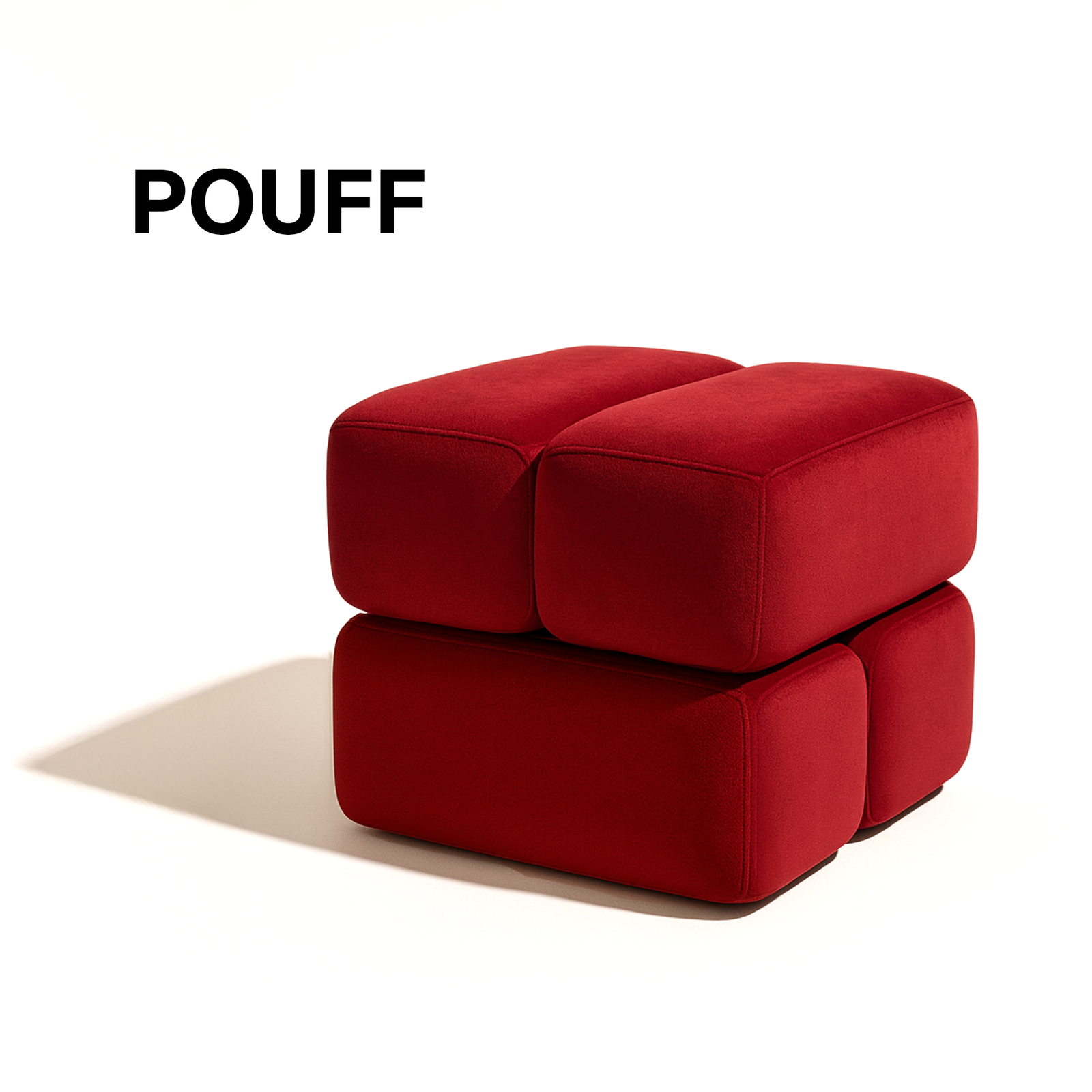


How to Arrange Furniture for Better Airflow

Transform your living spaces into breezy, healthy sanctuaries without spending a dime on extra fans or HVAC upgrades.
Table of Contents
1. Why Airflow Matters – More Than Just Comfort
2. The Science Behind Indoor Air Movement
3. Pre‑Planning: Assessing Your Space & Climate
4. Core Principles of Furniture Placement for Optimal Flow
a. Keep Pathways Open
b. Respect Natural Ventilation Sources
c. Balance Mass & Void
d. Use “Air‑Friendly” Furniture Shapes
5. Room‑by‑Room Layout Strategies
Living Room
Bedroom
Home Office
Kitchen & Dining
Small Apartments & Studios
6. Special Situations: Open‑Plan, High Ceilings, and Multi‑Story Homes
7. Complementary Tricks: Plants, Curtains, and Low‑Tech Gadgets
8. Common Mistakes (And How to Fix Them)
9. A Quick “Airflow Audit” Checklist
10. Wrapping Up: From Theory to a Breath‑of‑Fresh‑Air Home
1. Why Airflow Matters – More Than Just Comfort
When you think about home comfort, heating, cooling, lighting, and décor usually dominate the conversation. Yet airflow silently determines how those systems perform and how healthy your indoor environment feels.
Health Benefits – Good circulation disperses pollutants, reduces mold spores, and lessens the buildup of carbon dioxide (CO₂). Studies link stagnant indoor air to headaches, fatigue, and even exacerbated asthma.
Energy Efficiency – Proper airflow lets your HVAC system work at its optimal capacity, reducing the need for constant fan or heater boost.
Acoustic Comfort – Air movement can affect how sound travels; a well‑ventilated room often feels less “echoey.”
Mood & Productivity – A breezy space can lower perceived temperature, improve concentration, and give a subtle psychological cue that the environment is “alive.”
So, before you buy that next air purifier, consider that a few smart furniture moves could already be delivering many of these gains.
2. The Science Behind Indoor Air Movement
Understanding the basics helps you make informed decisions.
Phenomenon What It Is How It Affects Your Home
Convection Warm air rises, cool air sinks, creating vertical currents. Heavy furniture placed near windows can block rising warm air, trapping heat on the floor.
Cross‑Ventilation Air enters through one opening (window, door) and exits through another, creating a flow path. Blocking either inlet or outlet stalls the breeze; you need a clear “airway.”
Stack Effect In multi‑story homes, warm air ascends to upper floors, pulling cooler air upward from lower levels. Closed stairwells or large furniture at the bottom of stairs impede the natural pull.
Turbulence Small obstacles (bookshelves, plants) can create swirling eddies that mix air. Too many obstacles can cause dead zones where air stagnates.
Boundary Layer A thin layer of still air clings to surfaces (walls, floor). Wide, low‑profile furniture can increase the thickness of this layer, slowing exchange.
Takeaway: You want smooth, continuous pathways for air to travel, while avoiding “dead zones” where stagnant air lingers. Furniture is the biggest variable you can control.
3. Pre‑Planning: Assessing Your Space & Climate
Before you move any couch, answer these quick questions:
1. What are your primary ventilation sources?
Windows (operable, fixed, skylights)
Mechanical vents (supply/exhaust fans)
Doorways that lead to other rooms or the outside
2. What’s your typical climate?
Hot & humid → Emphasize cross‑ventilation, keep airflow high.
Cold & dry → Preserve warm air while allowing fresh air exchange.
3. Where does the sun hit?
Sunlit windows can create strong thermal plumes that naturally draw air upward; furniture should not block these plumes.
4. What are the traffic patterns?
High‑traffic zones already create natural pathways; use them wisely.
Sketch a simple floor plan (even on paper) and mark the location of windows, doors, vents, and major heat sources (radiators, stovetops, electronics). This visual will become your “airflow map.”
4. Core Principles of Furniture Placement for Optimal Flow
a. Keep Pathways Open
Rule of thumb: Reserve at least a 3‑foot “air corridor” from any inlet (window/door) to the opposite side of the room.
Implementation: Position sofas and chairs parallel to windows rather than directly in front of them. This allows air to glide around the furniture instead of being forced to squeeze.
b. Respect Natural Ventilation Sources
Windows: Open them fully when possible. If you have a fixed pane, consider installing a vent or using a “window box” (a shallow, lowprofile shelf) that does not obstruct the glass.
Air Returns/Exhausts: Never block these with large bookcases or TV consoles. Even a 6‑inch gap is enough for air to circulate.
c. Balance Mass & Void
Heavy, dense furniture (solid wood, metal) can act as a “wall” if placed in the wrong spot. Counterbalance by placing lighter pieces (fabric chairs, wicker baskets) opposite the heavy item, creating a “push‑pull” effect that nudges air through.
d. Use “Air‑Friendly” Furniture Shapes
Rounded edges and low backs encourage airflow over and around the piece.
Open‑frame bookshelves (e.g., ladder style) allow air to pass through, unlike solid panel cabinets.
Modular sofas that can be re‑configured let you experiment with orientation without buying new pieces.
5. Room‑by‑Room Layout Strategies
Living Room
1. Identify the “Primary Breeze Line.”
In most homes, this is a line from a window to a door or another window on the opposite wall.
2. Place the sofa parallel to the window, not directly in front.
The back of the sofa can act like a diffuser, letting wind flow over it and into the rest of the room.
3. Keep the coffee table low (≤ 16”) and avoid large, solid end tables that block air beneath the sofa.
4. Use open‑back shelving for media units. If you must have a solid TV stand, raise it on legs (4‑inches minimum) so air can slide underneath.
5. Add a tall, narrow plant (e.g., fiddle‑leaf fig) near the window. It gently breaks the airflow, mixing warm and cool layers without choking the breeze.
Bedroom
Vent Placement: Bedrooms often have a single window. Position the bed perpendicular to the window so the headboard doesn’t block the incoming air.
Nightstand Trick: Choose nightstands with legs rather than solid base—this keeps the area beneath the bed “breathing.”
Dressers and Wardrobes: Slide them toward the wall opposite the window, but keep a 12‑inch gap to allow the “cool‑down” plume to flow around them.
Home Office
Ergonomic Flow: Desk facing the window promotes natural light and airflow. Use a floating desk (mounted to the wall) rather than a bulky stand‑alone piece.
Cable Management: Cluttered cords can trap air; route them under the desk or along wall channels.
Vent Proximity: If you have a dedicated AC vent, keep the desk a minimum of 18‑inches away; this prevents hot air recirculation around the workstation.
Kitchen & Dining
Cooking Heat: Stoves generate upward plumes that can be harnessed. Place the kitchen island away from the range hood’s exhaust to avoid blocking the upward draft.
Dining Table Position: Align the table parallel to a window, not directly under a ceiling fan (which can cause turbulent eddies that make the area feel drafty).
Bar Stools: Choose models with open‑back frames; they allow the kitchen’s built‑in ventilation to pass through easily.
Small Apartments & Studios
Multi‑Functional Zones: Use room dividers that double as air channels—think of a tall bookshelf with open shelves.
Fold‑away Furniture: Murphy beds or wall‑mounted desks free up floor space, opening larger air corridors.
Vertical Space: Hang curtains high (close to ceiling) and pull them aside when you need extra airflow; this uses the “stack effect” to pull warm air up and out.
6. Special Situations
Open‑Plan Living
Zonal Ventilation: Instead of a single wind tunnel, create mini‑corridors by aligning furniture in staggered rows. A couch, a console table, and a plant can each act as a “step” that gently guides air through the open floor.
Avoid “Box‑In” Furniture: Large, rectangular media walls that stretch wall‑to‑wall kill airflow. Replace one side with a glass‑front cabinet or a sliding door to restore breathability.
High Ceilings
Warm air tends to pool near the ceiling. Keep the upper portion of the room clear: avoid tall bookcases that reach the ceiling. Instead, use mid‑height shelving (4‑6 ft) and allow the upper 6‑8 ft to stay open for convection currents.
Multi‑Story Homes
Stairwell Strategy: Keep stairways free of bulky storage. A narrow railing with a small decorative runner is fine, but a large chest at the base blocks the stack effect.
Upper‑Floor Bedrooms: Place a low, breathable nightstand (e.g., wicker) to allow warm air to rise, while still maintaining a comfortable sleeping environment.
7. Complementary Tricks: Plants, Curtains, and Low‑Tech Gadgets
Tool How It Helps Placement Tips
Indoor Plants They absorb CO₂, release O₂, and act as natural diffusers. Near windows for sunlight, but not so close that leaves block airflow. Tall, thin plants (snake plant, bamboo) are ideal.
Lightweight Curtains Thin fabrics allow breeze while providing privacy. Hang curtains high (to the ceiling) and pull them fully aside when you want maximum flow.
Door Draft Stoppers Prevent unwanted drafts in winter while still allowing intentional airflow through open doors. Use only on doors you don’t want air moving through; keep main ventilation doors unobstructed.
Portable Air Circulators (no electricity required) Ceiling fans or “wind catchers” can be swapped for strategic placement of fans that push air from low to high. Position low‑speed fans near the floor opposite a window; they gently lift cool air upward.
Strategic Mirrors Reflect sunlight and heat, creating localized convection that can assist airflow. Place a mirror on the wall opposite a window to bounce light, but avoid covering vents.
8. Common Mistakes (And How to Fix Them)
Mistake Why It Hurts Quick Fix
Blocking windows with large sofas Stops cross‑ventilation, creates hot spots. Rotate sofa to face the window or swap it with a smaller piece.
Placing TVs or shelving directly under air returns Air can’t be pulled in, reducing HVAC efficiency. Raise the unit on legs or shift it at least 12 inches away.
Crowding corners with bulky furniture Corners become stagnant “dead zones.” Use corner‑free, floating shelves or keep corners open.
Heavy drapes that hug the wall Traps air between wall and fabric, limiting vertical flow. Switch to sheer curtains or pull drapes aside when using windows.
Over‑loading the floor with rugs and carpets Thick rugs trap warm air near the floor, making rooms feel stuffy. Choose low‑pile rugs, or lift them on a thin platform to allow air underneath.
9. A Quick “Airflow Audit” Checklist
[ ] All windows and doors have at least a 3‑ft clear path on both sides.
[ ] No furniture directly in front of a vent, exhaust fan, or air return.
[ ] Sofas and beds are placed parallel or perpendicular to windows (never directly blocking).
[ ] Heavy pieces are balanced with lighter, open‑frame items.
[ ] At least one plant per 200 sq. ft. placed near a ventilation source.
[ ] Curtains are light, drawn aside when windows are open.
[ ] Floor is mostly clear; low‑profile rugs only where needed.
[ ] Stairways and hallways remain unobstructed.
[ ] If you have an HVAC system, check that supply and return registers are not covered.
Run through this list after you’ve rearranged the room. If any box remains unchecked, tweak the layout until airflow feels natural.
10. Wrapping Up: From Theory to a Breath‑of‑Fresh‑Air Home
Good airflow isn’t a luxury; it’s a cornerstone of a healthy, energy‑smart home. By treating your furniture as air‑shaping tools rather than static décor, you unlock a suite of benefits:
Healthier breathing for everyone under the roof.
Lower energy bills because your HVAC system isn’t fighting against its own obstacles.
More flexible spaces that can adapt to seasons—open, breezy summer evenings or cozy, well‑circulated winter nights.
Remember: the best layout is the one that feels right. Feel the draft as you walk across the room, notice where the air feels stagnant, and adjust. Small shifts—rotating a chair, pulling a rug a foot away—can dramatically improve the way your home breathes.
So, next time you’re tempted to buy a new fan, step back, grab a notebook, and map out your airflow. Then, rearrange those pieces of furniture with purpose. Your lungs (and your electric bill) will thank you.
Bonus: 3‑Month “Breathe‑Better” Challenge
Week Goal Action
1 Identify Sketch your floor plan, mark windows, vents, and current furniture placement.
2 Clear Remove any items that block a primary breeze line. Keep a photo of “before.”
3 Re‑arrange Apply the core principles—parallel to windows, open‑frame furniture, balanced mass.
4 Test Open windows, set a timer for 15 min, and walk the room. Note any draft spots.
5‑6 Fine‑Tune Add a plant, switch a heavy cabinet for a lighter one, adjust curtains.
7‑12 Maintain Every month, re‑evaluate seasonal changes (e.g., winter vs. summer) and tweak as needed.
At the end of the challenge, you’ll have a living space that not only looks great but also breathes—literally.
Ready to give your home the fresh air it deserves? Grab that couch, move it a little, and feel the difference. Happy arranging!