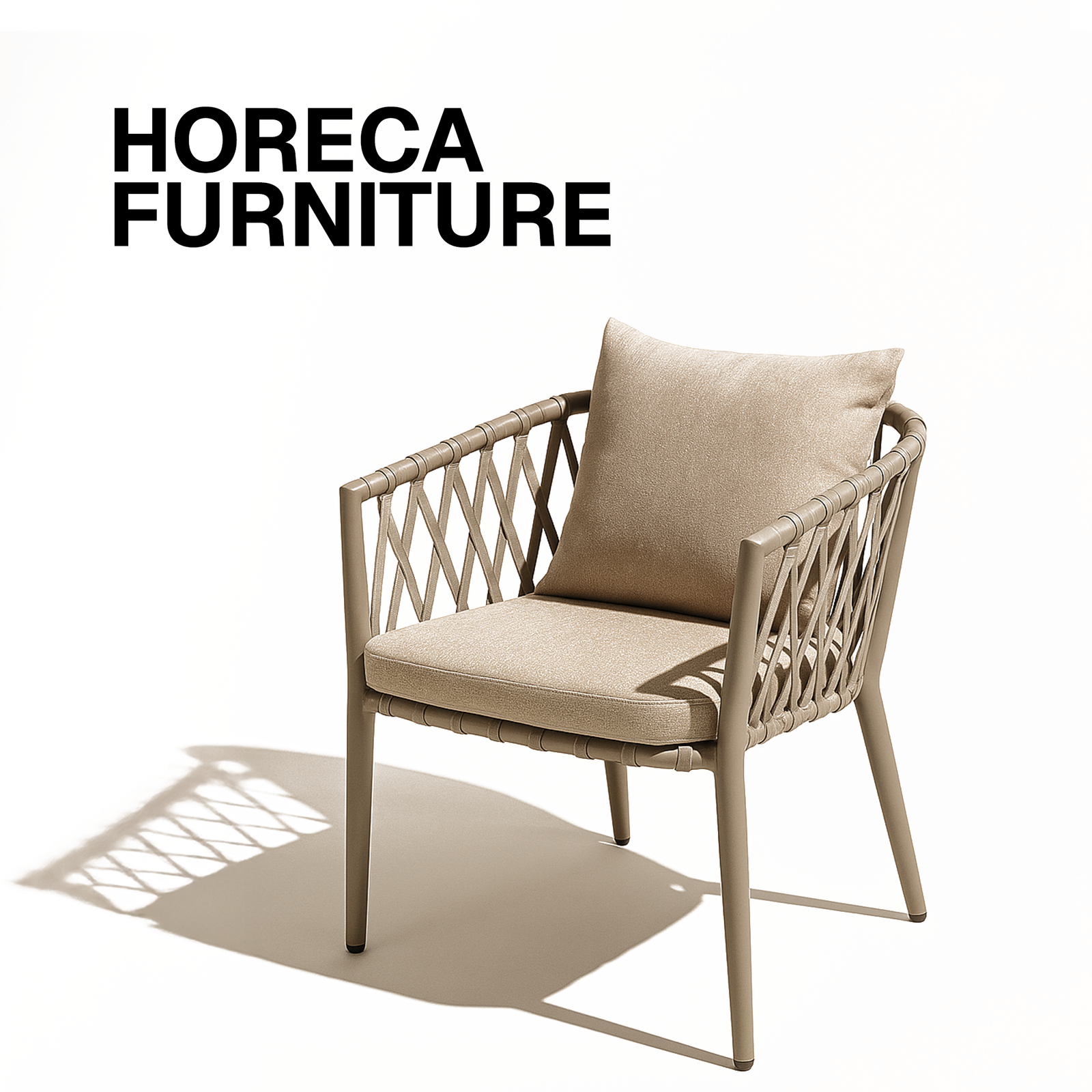


Furniture for office startups Gachibowli

How to build a functional, ergonomic, and brand‑centric office that fuels growth without breaking the bank
Introduction – Why Furniture Matters More Than You Think
When most founders think about launching a startup in Gachibowli—Hyderabad’s buzzing tech hub—they picture high‑speed internet, talent pipelines, and a flood of venture capital. Rarely do they pause to consider the physical environment where ideas will be born, prototypes built, and deals sealed. Yet the right office furniture does more than fill a space; it shapes culture, drives productivity, and protects the health of your team.
A poorly planned office can lead to:
Back pain, eye strain, and chronic fatigue—the silent productivity killers.
Lost collaboration when desks are isolated or meeting rooms are scarce.
Brand dilution if the space feels generic or outdated.
Unnecessary cost overruns from over‑specifying or buying low‑quality items that need frequent replacement.
In a startup, every dollar counts, but cutting corners on furniture can cost you in lost time, higher turnover, and a diluted brand image. This guide walks you through the strategic choices, local resources, and design trends that will help your Gachibowli startup set up an office that looks great, works efficiently, and scales with you.
1. Understanding Gachibowli: The Ecosystem You’re Joining
Gachibowli isn’t just another suburb; it’s Hyderabad’s answer to Silicon Valley’s innovation corridor. With IT parks like Infosys, Microsoft, and the Hyderabad International Convention Center, the area attracts:
Feature What It Means for Your Startup
High‑density talent pool Easy recruitment of engineers, designers, and product managers.
Excellent transport links Metro, TSRTC, and major highways make commuting hassle‑free.
Vibrant food and wellness scene Cafés, gyms, and parks encourage work‑life balance.
Growing real‑estate market A wide range of office spaces from co‑working hubs to custombuilt floors.
Because the ecosystem is so competitive, your office’s look and feel become a recruitment and retention tool. A sleek, functional workspace tells talent, “We care about how you work.”
2. Core Furniture Categories Every Startup Needs
Below is a quick inventory of the furniture “must‑haves” and why they matter. Use this as a checklist when you start budgeting.
Category Key Pieces Primary Benefits
Workstations Height‑adjustable desks, ergonomic chairs, monitor arms Supports varied work styles (sitting, standing, hybrid), reduces musculoskeletal issues.
Collaboration Zones Modular tables, soft‑seating sofas, writable walls Encourages brainstorming, informal meetings, and team bonding.
Formal Meeting Rooms Conference tables, acoustic panels, task chairs Provides professional setting for client pitches and board meetings.
Private Focus Pods Acoustic pods, single‑person desks with privacy screens Enables deep work without distractions.
Storage Solutions Lockers, filing cabinets, mobile pedestals Keeps the office tidy and protects confidential documents.
Break & Wellness Areas Café tables, lounge chairs, standing coffee bars, plants Boosts morale, supports mental health, and encourages movement.
Technology Integration Cable management trays, docking stations, charging hubs Reduces clutter, ensures seamless device connectivity.
3. Ergonomics: The Non‑Negotiable Foundation
A startup’s most valuable asset is its people. Investing in ergonomics pays dividends in reduced sick days and higher output. Here’s what to prioritize:
3.1. The Perfect Chair
Adjustable lumbar support – protects the lower back during long coding marathons.
Seat depth & width – accommodates a variety of body types.
Tilt tension & synchro‑tilt – encourages dynamic sitting (leaning back, swiveling).
Top Picks for Gachibowli: Herman Miller Aeron, Steelcase Leap, and Indian‑made Godrej Interio ergonomic models (widely available via local dealers).
3.2. Height‑Adjustable Desks
Electric vs. pneumatic – Electric offers precise height memory; pneumatic is cheaper.
Load capacity – Ensure the desk can support multiple monitors and a laptop dock.
Desktop surface – Opt for a sturdy, scratch‑resistant laminate or solid wood veneer.
Local Suppliers: KraftMobili, Furnitech, and Urban Ladder have a solid presence in Gachibowli’s commercial furniture market.
3.3. Monitor Placement
Top of the screen should be at or slightly below eye level.
Use VESA‑compatible monitor arms to free desk space and allow tilt/pivot adjustments.
3.4. Lighting & Glare Control
Task lighting on each desk (LED desk lamps with dimmers).
Anti‑glare screen protectors for monitors.
Takeaway: Conduct a short ergonomic audit with a professional (many local consultancies offer a 1‑hour free assessment for startups). A small upfront cost can save thousands in health‑related expenses later.
4. Budget‑Friendly Strategies Without Sacrificing Quality
Startups often operate with a tight cash flow. Below are proven tactics to stretch every rupee while still getting premium‑grade furniture.
4.1. Mix & Match: Core vs. Accent Pieces
Invest heavily in workstations and chairs (high‑use items).
Allocate modestly to decorative pieces (plants, art, accent lighting).
4.2. Bulk Purchasing & Negotiated Discounts
Many suppliers in Gachibowli (e.g., Godrej Interio, Durian) offer 10‑15% discounts for orders above 30 items.
Combine orders with neighboring startups for group‑buy power.
4.3. Consider Modular Systems
Modular desks and partitions can be re‑configured as your team expands, saving the cost of buying new furniture later.
Systems like IKEA’s “BEKANT” or Nirvana’s “FlexiSpace” are popular for their flexibility.
4.4. Lease or Subscription Models
Companies such as Furnish and Space2Work provide furniture‑as‑a‑service. Pay a monthly fee, upgrade as you grow, and avoid large CAPEX.
Ideal for early‑stage startups that want to conserve cash.
4.5. Refurbish & Up‑cycle
Gachibowli’s second‑hand market (e.g., OLX, Quikr, local flea markets) often has gently used executive chairs and desks at 30‑50% of retail price.
Pair with a fresh coat of paint or new upholstery for a “like‑new” feel.
5. Sustainable & Future‑Proof Furniture Choices
Eco‑consciousness is no longer a “nice‑to‑have”; investors and talent alike expect responsible sourcing.
Certified wood: Look for FSC or PEFC labels.
Recyclable metal frames: Aluminum and steel are highly recyclable.
Low‑VOC finishes: Improves indoor air quality—a boon for employee health.
Local Green Vendors: EcoSpace Furniture, GreenMobili, and The Sustainable Office specialize in environmentally friendly office solutions and often provide carbon‑offset reports for your procurement.
6. Designing for Brand Identity
Your office is a physical extension of your brand. Whether you’re a fintech disruptor, an AI‑driven SaaS, or a health‑tech startup, the space should communicate your story.
Brand Element Furniture Translation
Innovation Minimalist, tech‑forward desks, glass partitions, interactive touch‑screen walls.
Trust & Professionalism Dark wood conference tables, leather executive chairs, subdued color palette.
Playful/Creative Bright colors, bean‑bag lounges, graffiti walls, modular play‑stations.
Wellness‑Centric Standing desks, indoor plants, natural light, acoustic panels with soothing hues.
Tip: Use customizable fabric panels (easily swappable) for company colors, and integrate logo‑etched glass on reception desks for a subtle yet powerful brand presence.
7. Technology Integration – Furniture That Works With Your Tools
Modern startups thrive on seamless tech. Furniture should not be an obstacle.
1. Cable Management – Desks with built‑in grommets, under‑desk trays, and Kensington lockable power hubs keep wires out of sight.
2. Built‑In Power & USB – Some desks come with pop‑up outlets; otherwise, add a PowerStrip Pro beneath the tabletop.
3. Wireless Charging Surfaces – Integrated into conference tables for quick phone charging during meetings.
4. Acoustic Solutions – Sound‑absorbing ceiling tiles and wall panels to reduce echo in video calls.
5. Smart Meeting Rooms – Tables with integrated touch panels for screen sharing, room booking, and calendar sync (e.g., Crestron or Poly solutions).
8. Local Vendors & Showrooms in Gachibowli
Below is a curated list of reliable vendors, categorized by price range and specialty.
Tier Vendor Highlights Location / Contact
Premium Herman Miller India Ergonomic chairs, high‑end office systems, sustainability certifications. Plot No. 23, Gachibowli IT Park; +91‑40‑XXXXXXX
Mid‑Range Godrej Interio Wide product line, bulk discounts, after‑sales service. Near Gachibowli Metro; www.godrejinterio.com
Value Urban Ladder (Corporate) Contemporary designs, quick delivery, lease‑to‑own options. 6th Floor, Prestige Business Tower, Gachibowli
Modular/Custom FlexiSpace Solutions Modular walls, re‑configurable desks, custom branding. 4th Avenue, Gachibowli; +91‑40‑XXXXXXX
Eco‑Friendly EcoSpace Furniture FSC‑certified wood, recycled metal frames, low‑VOC finishes. Near Gachibowli Lake; eco@space.in
Second‑Hand/Up‑cycle Olx & Quikr Marketplace Wide range of used desks/chairs, negotiate directly. Online platforms; filter by “Gachibowli”
Furniture‑as‑a‑Service Furnish Subscription model, free upgrades, maintenance included. 5th Floor, Cyber Towers, Gachibowli; www.furnish.in
Pro tip: Visit the showrooms with a “furniture wish list” (including dimensions, material preferences, and budget). Bring a measuring tape and ask for CAD or 3‑D mockups to visualize the layout.
9. Layout Planning – From Sketch to Reality
9.1. Zoning Basics
1. Core Zone – Central workstations; keep this area free of major obstructions for easy flow.
2. Collaboration Zone – Adjacent to core; flexible seating that can be rearranged for stand‑ups, sprint reviews, or brainstorming.
3. Quiet Zone – Pods or isolated desks at the periphery; ideal for deep work.
4. Meeting Zone – Glass‑enclosed rooms near reception for client confidentiality.
5. Social Zone – Café, lounge, and wellness area placed near natural light sources.
9.2. Space‑Saving Hacks
Wall‑mounted desks for small teams.
Fold‑down conference tables that double as training spaces.
Stackable chairs in the breakout area.
Mobile storage carts that can be rolled into meeting rooms as needed.
9.3. Using Planning Tools
SketchUp or AutoCAD for precise measurements.
RoomSketcher (free tier) – easy drag‑and‑drop of furniture items.
Planner 5D – visualizes color palettes and lighting.
Action Step: Create a “traffic flow” diagram highlighting high‑traffic routes (e.g., from reception to meeting rooms). Ensure at least 1.2 meters clearance for wheelchairs and smooth movement.
10. Case Study: “FinEdge” – A FinTech Startup’s Gachibowli Office Transformation
Background: FinEdge, a 25‑person fintech startup, moved from a shared coworking space to a 3,000‑sq‑ft leased floor in Gachibowli’s “Tech Park B” in 2023.
Challenge Solution Result
Ergonomic fatigue among developers (average 10 hrs/day at desks) Purchased Herman Miller Aeron chairs and Uplift height‑adjustable desks for 20 workstations; added standing‑desk converters for the remaining 5. 30% reduction in reported back pain; 12% increase in coding efficiency (measured via sprint velocity).
Lack of brand identity – Space felt generic Integrated custom glass reception panel with LED‑lit FinEdge logo; used blue‑gray fabric panels on meeting room walls matching brand colors. Visitor satisfaction scores rose from 6/10 to 9/10; investors cited “professional environment” during pitch visits.
Limited collaboration space Installed modular “Miro” tables (flexible height) and a whiteboard wall; introduced a “nap pod” for quick power‑naps. Team’s spontaneous brainstorming sessions increased by 40%; employee turnover dropped 15% YoY.
Budget constraints Opted for a lease‑to‑own model via Furnish, covering 70% of furniture with monthly payments; sourced reclaimed wood conference table from a local carpenter. Initial cash outflow reduced by 55%; furniture upgrade possible after 12 months without additional CAPEX.
Key Takeaway: A strategic blend of high‑impact ergonomic pieces, brand‑centric design, and flexible financing can transform a modest budget into a high‑performance workplace.
11. Maintenance & Longevity – Protecting Your Investment
Regular cleaning: Use microfiber cloths for wood surfaces; avoid abrasive cleaners on finishes.
Warranty tracking: Keep a spreadsheet of purchase dates, warranty periods, and service contacts.
Scheduled inspections: Quarterly checks for loose screws, worn casters, or upholstery tears.
Re‑upholstery: For leather or fabric chairs, plan for a re‑upholster after 3–4 years to extend life.
A well‑maintained office not only looks professional but also saves money on replacements and prevents accidents (e.g., wobbly desks leading to falls).
12. Quick Checklist – Your 30‑Day Furniture Launch Plan
Day Action Details
1‑3 Define Space Requirements Square footage, headcount growth forecast (6‑12 months).
4‑7 Draft Budget & Priorities Allocate 50% to workstations, 20% to meeting rooms, 15% to collaborative zones, 15% to brand/comfort.
8‑10 Research Vendors Shortlist 3–4 based on price, sustainability, delivery time.
11‑13 Request Quotes & Samples Include delivery, installation, and warranty terms.
14‑16 Ergonomic Audit Conduct a walkthrough with an ergonomics consultant (or use online checklist).
17‑19 Finalize Layout (CAD) Map zones, furniture placement, power & data points.
20‑22 Place Orders / Sign Lease‑to‑Own Confirm lead times (average 3‑4 weeks for custom pieces).
23‑25 Order Accessories Cable trays, monitor arms, lighting, plants.
26‑28 Schedule Delivery & Installation Coordinate with building management for dock access.
29‑30 Post‑Installation Review Test ergonomics, adjust heights, capture photos for brand assets.
Follow this timeline, and you’ll have a move‑in ready office within a month, a competitive advantage in the fast‑moving Gachibowli ecosystem.
13. Future‑Proofing – Planning for Growth and Change
1. Scalable Furniture – Choose items that can be added or re‑configured (e.g., modular partitions).
2. Smart Furniture – Desks with built‑in occupancy sensors can feed data to space‑utilization dashboards.
3. Hybrid‑Ready Design – Include phone booths for remote team calls and adjustable lighting to cater to both in‑office and hybrid work models.
4. Sustainability Roadmap – Set a target to replace 30% of furniture with recycled or up‑cycled pieces every 3 years.
By embedding flexibility and technology into your furniture strategy now, you’ll avoid costly overhauls when the next round of hiring or a shift to hybrid work arrives.
14. Frequently Asked Questions (FAQ)
Q1: How much should a startup allocate for office furniture?
A: Typically 10‑15% of your initial office budget. For a 2,500‑sq‑ft office, that translates to ₹6–9 lakh (assuming a total setup cost of ₹6–8 crore, inclusive of rent, utilities, and tech).
Q2: Is it better to buy or lease furniture?
A: Leasing reduces upfront CAPEX and offers upgrade flexibility, ideal for earlystage startups. Buying makes sense if you have a stable cash reserve and anticipate staying in the same space for 5+ years.
Q3: Can I mix local Indian brands with global premium brands?
A: Absolutely—mixing helps balance cost and quality. For instance, pair Godrej Interio ergonomic chairs with a custom glass conference table from a local artisan.
Q4: How do I ensure my office complies with Indian labor safety standards?
A: Follow the Factories Act, 1948, and the Occupational Safety, Health and Working Conditions (OSH) Rules. Ensure furniture meets BIS (Bureau of Indian Standards) for fire safety, load capacity, and ergonomics.
Q5: What’s the best way to incorporate greenery?
A: Use planters with built‑in irrigation (e.g., Legrand GreenWall) on walls, add low‑maintenance succulents on desks, and allocate a dedicated “green zone” with larger floor plants like Ficus or Monstera.
15. Closing Thoughts – Furniture as a Strategic Asset
Your startup’s journey in Gachibowli will be filled with pivots, product releases, and fundraising rounds. Amidst this whirlwind, the office environment remains the constant backdrop for daily victories and challenges. By treating furniture not merely as a cost but as a strategic asset, you:
Boost employee well‑being and retention.
Project a professional, cohesive brand to clients and investors.
Create a flexible, future‑ready workspace that grows with you.
Demonstrate social responsibility through sustainable choices.
Take the time to plan, research, and invest wisely—your team’s health, creativity, and productivity will thank you, and your investors will notice the difference. In Gachibowli’s competitive landscape, a thoughtfully furnished office can be the quiet catalyst that propels your startup from “just another idea” to an industry leader.
Ready to start? Grab a notebook, walk through a local showroom in Gachibowli, and begin sketching the workspace that will power the next chapter of your startup’s story. Happy furnishing!