

FAQ: How Furniture Influences Client Impressions

First impressions are formed in the blink of an eye, but they linger for months—sometimes even years. In the world of business, the most powerful silent salesperson is often the furniture that greets your clients. From the sleek conference table that whispers professionalism to a cozy lounge chair that says “we care about your comfort,” every piece in a space is a cue that your brand uses to communicate values, credibility, and personality.
Below is a deep‑dive FAQ that unpacks the psychology, design principles, and practical steps you need to know to turn your office, showroom, or meeting room into a confidence‑boosting, conversion‑driving environment. Whether you’re a startup founder, an interior designer, a real‑estate agent, or a seasoned CEO, these answers will give you a roadmap to leverage furniture as a strategic asset—not just a functional necessity.
Table of Contents
1. Why does furniture matter at all?
2. What psychological triggers do different furniture styles activate?
3. How does layout affect perceived hierarchy and collaboration?
4. What are the “must‑have” pieces for various business settings?
5. How can I align furniture with my brand identity?
6. What budget‑friendly strategies work for small firms?
7. How do I choose ergonomics without sacrificing aesthetics?
8. What role does lighting, color, and texture play alongside furniture?
9. How often should I refresh or replace my furniture?
10. What are the biggest mistakes to avoid?
11. Quick‑Start Checklist for a Client‑Centric Furniture Makeover
12. Final Thought: From Furniture to Future‑Proofed Impressions
1. Why Does Furniture Matter at All?
Q: Isn’t furniture just functional? Why should I care about the style or arrangement?
A: Furniture is a communication tool that speaks louder than a tagline. Research from the Journal of Environmental Psychology shows that people form a judgment about a company’s competence, trustworthiness, and even its price point within the first 7 seconds of entering a space. The objects they see first—reception desk, chairs, tables—are the primary visual cues that inform that judgment.
First‑Impression Timeline
0‑2 seconds – Sensory scan: lighting, color, and overall layout.
2‑5 seconds – Furniture focus: style, condition, and arrangement.
5‑7 seconds – Emotional response: comfort, safety, belonging.
If the furniture feels cheap, mismatched, or poorly arranged, the brain registers “unprofessional” or “uncaring,” even if your service is top‑notch. Conversely, well‑chosen pieces can instantly elevate perceived value by up to 30% (a figure cited in a 2022 design‑consultancy white paper).
2. What Psychological Triggers Do Different Furniture Styles Activate?
Furniture Style Core Psychological Trigger Ideal Business Type Example Use
Modern Minimalist (clean lines, metal/ glass) Clarity & Efficiency – signals focus, speed, forward‑thinking. Tech startups, consulting, fintech Glass conference table + slim metal chairs.
Classic/Traditional (rich wood, upholstered) Stability & Trust – evokes heritage, reliability. Law firms, finance, luxury retail Dark walnut boardroom table, high‑back leather chairs.
Industrial (exposed steel, reclaimed wood) Authenticity & Grit – conveys raw creativity, craftsmanship. Creative agencies, breweries, co‑working spaces Reclaimed wood conference tables, metal stools.
Scandinavian (light wood, neutral tones, functional) Well‑being & Simplicity – promotes calm and accessibility. Health tech, wellness, startups Light pine desks, ergonomic mesh chairs.
Boutique/Art‑Driven (curated pieces, bold color) Exclusivity & Personality – tells a story, sparks curiosity. Design studios, boutique hotels, high‑end boutiques Custom velvet lounge chairs, statement coffee table.
Key Takeaway: Align the emotional tone you want to convey with a furniture style that naturally triggers those feelings.
3. How Does Layout Affect Perceived Hierarchy and Collaboration?
Q: Does the arrangement of chairs and tables really influence how clients see our power dynamics?
A: Absolutely. Spatial psychology tells us that proximity and orientation affect perceived authority and openness.
Layout Type Perceived Hierarchy Collaboration Vibe When to Use
Rectangular Boardroom (long table, head positions) High – clear leader at the “head” Low – formal, controlled Executive presentations, board meetings
U‑Shape (table forming a U, presenter at open end) Moderate – presenter still central Medium – participants can see each other Workshops, client briefings
Round Table (no head, all faces equal) Low – egalitarian High – encourages dialogue Strategy sessions, brainstorming
Pod / Cluster (small groups of 4‑6 chairs, no central table) Low – fluid leadership Very High – informal Co‑working zones, “break‑out” areas
Lounge Layout (sofas + coffee tables) Low – relaxed Medium – casual conversation Waiting areas, post‑meeting debriefs
Practical Insight: For first‑client meetings, a U‑shape or round table strikes a sweet spot—clients feel respected (you’re the host) while also sensing partnership (no obvious “boss” seat).
4. What Are the “Must‑Have” Pieces for Various Business Settings?
Below is a concise inventory checklist tailored to three common environments:
A. Reception & Waiting Area
Piece Why It Matters Suggested Specs
Reception Desk First point of contact; defines brand tone. Solid wood or sleek metal with your logo subtly integrated.
Guest Chairs Comfort signals you value client time. Upholstered, ergonomic, 18‑20 inches seat height.
Coffee/Water Station Hospitality cue; reduces perceived wait time. Small side table + high‑quality pitcher + glassware.
Magazine/Display Shelf Shows thought leadership. Keep current industry mags, not clutter.
B. Meeting / Conference Room
Piece Why It Matters Suggested Specs
Conference Table Central hub for decision‑making. 4‑6 ft for small groups, 10‑12 ft for larger; consider built‑in cable management.
Executive Chairs Project authority without intimidation. High‑back, leather or quality fabric, adjustable lumbar support.
Guest Chairs Balance comfort with visual harmony. Same style as executive chairs but without the high back.
Whiteboard / Glass Board Facilitates visual collaboration. Mount at eye level; consider a dry‑erase glass for a modern look.
C. Collaborative / Break‑Out Spaces
Piece Why It Matters Suggested Specs
Modular Seating (movable pods) Flexibility for ad‑hoc sessions. Lightweight, stackable, mix of chairs and low tables.
Standing Desk(s) Signals health‑forward culture. Adjustable height, sturdy frame.
Soft Lounge (sofa, pouf) Encourages informal conversation. Neutral tones, durable upholstery.
Acoustic Panels Controls noise, keeps focus. Fabric‑wrapped, integrated with design theme.
5. How Can I Align Furniture With My Brand Identity?
Q: My brand uses a vibrant, playful logo—should my office be equally loud?
A: The answer lies in brand fidelity versus environmental harmony. Use the “3‑C Rule”:
1. Core Colors – Echo your primary brand hue(s) in accent pieces (throw pillows, art, chair legs) rather than painting entire walls.
2. Consistent Materials – If your brand is “sustainable,” favor reclaimed wood, bamboo, or recycled metal.
3. Cultural Narrative – If storytelling is key, showcase a curated collection of vintage or locally‑made furniture that tells a tale.
Example: A fintech brand with a teal logo could install teal‑stained metal legs on conference tables, teal‑colored ergonomic chair cushions, and a subtle teal wall behind the reception desk. The overall palette remains neutral, allowing the brand color to pop without overwhelming.
6. What Budget‑Friendly Strategies Work for Small Firms?
Even if your budget is modest, you can make high‑impact decisions:
Strategy Cost Impact Implementation Tips
Mix New + Vintage Low‑to‑Medium Source a sturdy new table, pair with refurbished chairs from thrift stores (re‑upholster).
Modular Systems Medium Invest in a modular sofa system that can be rearranged for meetings and lounge use.
DIY Finishes Low Paint or stain existing wooden pieces to match your palette (use low‑VOC paints).
Strategic Accent Pieces Low Add brand‑colored cushions, branded signage, or a custom rug—small cost, big visual ROI.
Leasing/Furniture‑as‑a‑Service Variable (often low upfront) Many vendors offer monthly plans that include maintenance; ideal for fast‑growing startups.
Pro Tip: Prioritize high‑traffic zones (reception, meeting rooms). Upgrade those first; peripheral spaces can be refreshed later.
7. How Do I Choose Ergonomics Without Sacrificing Aesthetics?
Ergonomics is no longer a “nice‑to‑have”—it directly impacts client perception of your caring culture.
Ergonomic Feature Aesthetic Integration Why Clients Notice
Adjustable Seat Height Choose chairs with a sleek, concealed lever; matte metal finishes blend well with modern décor. Demonstrates attention to comfort, especially for longer meetings.
Lumbar Support Look for contoured backrests with subtle stitching; color‑matched upholstery hides “techy” look. Signals professionalism and a science‑backed approach to wellbeing.
Armrests Opt for floating or slim‑profile arms that don’t dominate visual space. Prevents the room from feeling “crowded,” maintains openness.
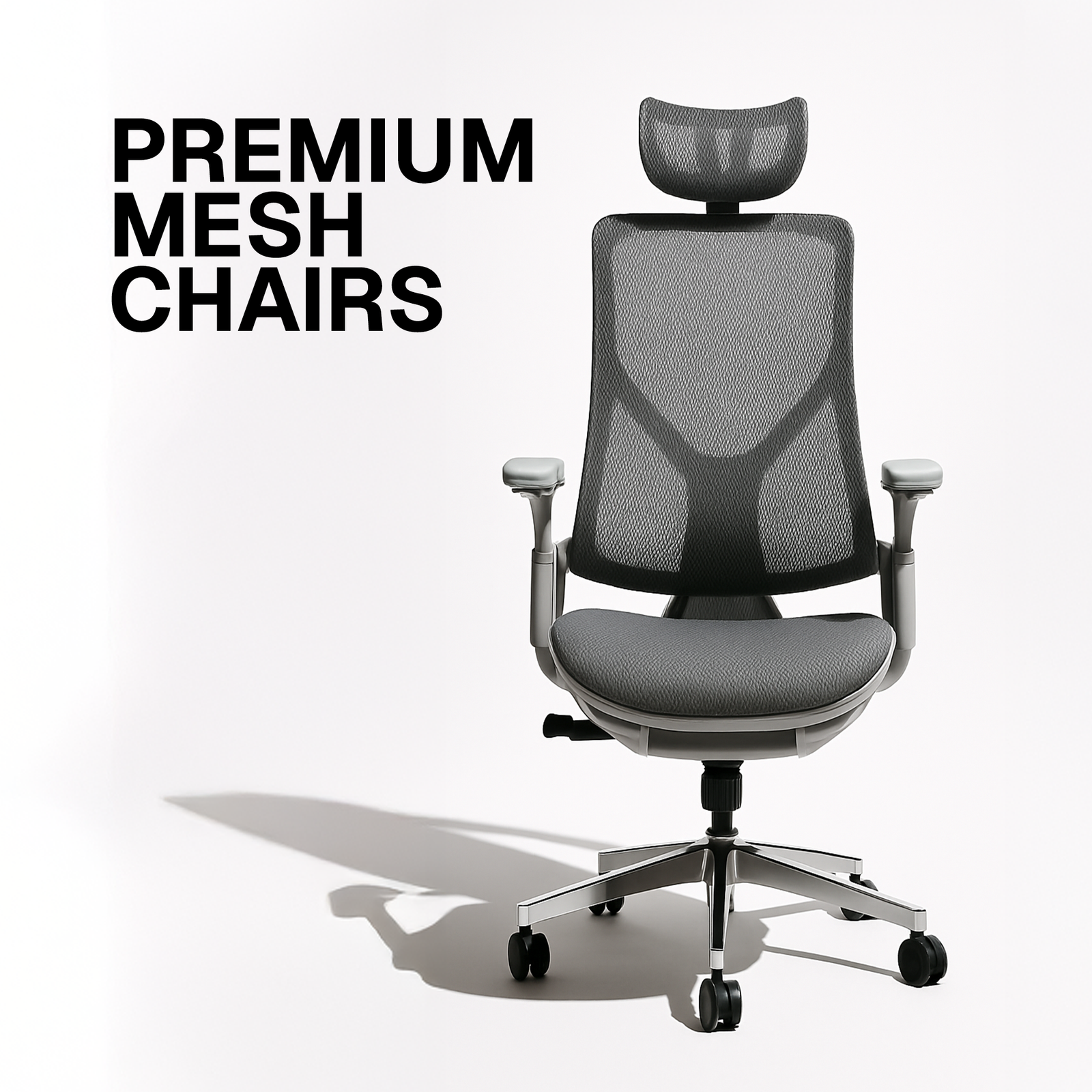
Breathable Fabrics Mesh or perforated leather offers a modern look while keeping users cool. Shows that you consider practical needs, not just aesthetics.
Bottom Line: Choose “designer ergonomics”—brands like Herman Miller, Steelcase, and Humanscale produce chairs that are both award‑winning for design and for health.
8. What Role Does Lighting, Color, and Texture Play Alongside Furniture?
Furniture never works in isolation. The environmental trio of light, color, texture either amplifies or undermines its impact.
Element Interaction with Furniture Best Practices
Lighting Highlights material quality; poor lighting can make even premium furniture look cheap. Use layered lighting: ambient ceiling, task lighting (adjustable desk lamps), and accent lighting (spotlights on artwork).
Color Sets emotional backdrop; complementary colors make furniture pop. Keep walls neutral (soft gray, warm white) and use brand colors as accent—think chair upholstery, wall art, or a rug.
Texture Adds depth; mixing smooth (glass), tactile (fabric), and natural (wood) prevents monotony. Pair a sleek glass conference table with a plush rug and warm wood side panels.
Acoustics Hard surfaces can cause echo, making spaces feel harsh. Add acoustic panels or fabric‑wrapped furniture to absorb sound, improving conversation clarity.
Real‑World Example: A law firm upgraded from a glossy black conference table to a matte walnut surface paired with soft, acoustic wall panels. Client feedback reported feeling “more relaxed” and “better able to focus,” directly translating to higher satisfaction scores.
9. How Often Should I Refresh or Replace My Furniture?
Q: Is there a “golden age” for office furniture?
A: Furniture longevity depends on usage, material, and brand positioning.
Item Typical Lifespan Signs It’s Time to Replace
Reception Desk 7‑10 years Visible scratches, outdated style, branding change.
Executive Chairs 5‑7 years Broken casters, sagging seat cushion, ergonomic wear.
Guest Chairs 4‑6 years Fabric stains, frame wobble, mismatched wear.
Conference Table 10‑15 years Surface warping, outdated finish, inability to integrate tech.
Modular Seating (sofas) 5‑8 years Fabric pilling, springs losing resilience, color fading.
Refresh Strategy: Conduct a semi‑annual audit—walk through each space, note wear, and score each piece on a 1‑5 scale (1=replace, 5=excellent). Prioritize replacements based on client‑facing zones.
10. What Are the Biggest Mistakes to Avoid?
Mistake Why It Hurts Quick Fix
Over‑Matching Everything Creates a sterile, impersonal vibe. Introduce a contrasting accent piece (e.g., a bold rug).
Ignoring Flow Clients get stuck, feel cramped, and perceive disorganization. Map traffic patterns; keep 3‑4 feet of clear walkway around key pieces.
Using Too Much “Showpiece” Furniture Overshadows conversation; looks pretentious. Balance statement items with functional, low‑profile pieces.
Neglecting Maintenance Dusty leather or squeaky chairs signal neglect. Schedule quarterly cleaning & quick repairs.
Choosing Style Over Function Uncomfortable seating leads to rushed meetings and negative associations. Test chairs for comfort before purchase; prioritize ergonomics.
Forgetting Accessibility Non‑ADA compliant spaces alienate clients with disabilities. Ensure at least one accessible meeting table height and clear pathways.
Static Layout Doesn’t adapt to evolving client needs or team growth. Invest in modular furniture that can be re‑configured.
11. Quick‑Start Checklist for a Client‑Centric Furniture Makeover
> ✓ Define the impression you want: prestige, creativity, approachability, or sustainability.
> ✓ Audit existing pieces: note condition, style, and placement.
> ✓ Map client journey: identify every touchpoint (reception, hallway, meeting rooms, breakout zones).
> ✓ Select a unifying style that aligns with brand values.
> ✓ Prioritize high‑traffic zones for upgrades first.
> ✓ Choose ergonomics‑focused furniture that still matches aesthetic.
> ✓ Add brand‑colored accents (cushions, artwork, leg finishes).
> ✓ Layer lighting to showcase furniture and create mood.
> ✓ Incorporate acoustic solutions (soft fabrics, panels).
> ✓ Schedule a quarterly review for wear and client feedback.
12. Final Thought: From Furniture to Future‑Proofed Impressions
Your office—or any client‑facing space—is a living brand manifesto. While logos and websites can be updated with a click, the physical environment writes a story that clients experience with every step they take. By treating furniture as a strategic communication layer, you can:
Elevate perceived value without inflating price points.
Boost client trust by demonstrating attention to detail and comfort.
Foster collaboration through thoughtful layouts that encourage dialogue.
Future‑proof your space with modular, adaptable pieces that grow alongside your business.
Remember: Impressions are formed before a word is spoken. Let the chairs, tables, and lighting do the talking for you—loudly, clearly, and consistently with the brand you’ve built.
Take the First Step
Pick one area—perhaps the reception desk—and apply the principles above today. Replace an outdated chair with an ergonomic, brand‑colored option, adjust the lighting to highlight the new piece, and watch how the subtle shift changes the energy in the room. Small changes cascade; before you know it, every client who walks through your door will feel the intentional, confidence‑building atmosphere you’ve meticulously crafted.
Ready to transform your space? Drop a comment below with your biggest furniture challenge, and let’s brainstorm the perfect solution together!
Happy designing, and may every seat you offer be a seat of confidence for your clients.