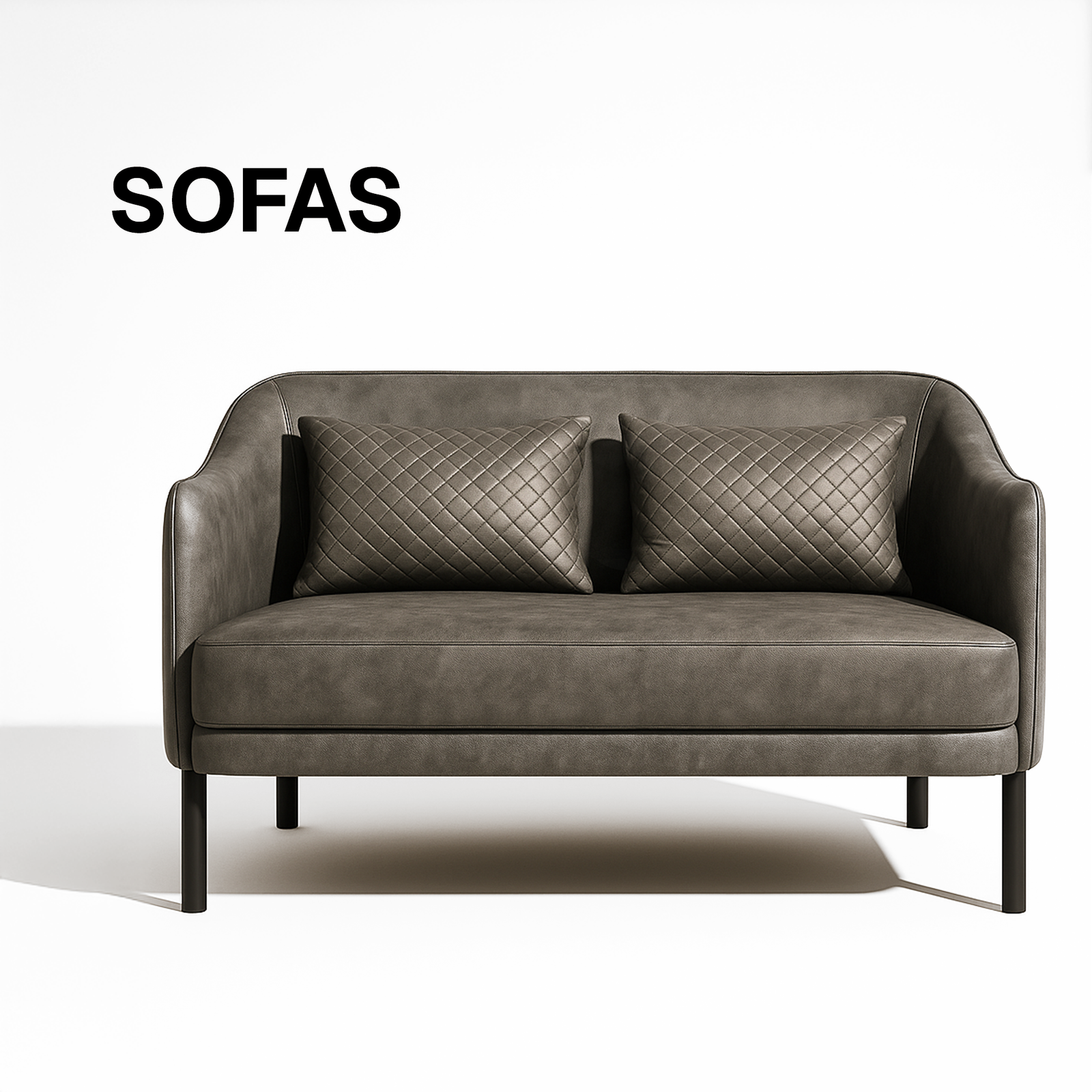


Ideas for MultiFunctional Lounge Areas

Whether you’re a homeowner looking to squeeze a little extra life out of a cramped apartment, a co‑working space trying to boost collaboration, or a boutique hotel seeking a lounge that doubles as a social hub, the modern “lounge” is no longer a single‑purpose corner. It’s a flexible stage where work, play, rest, and community intersect. Below you’ll find a deep dive into the concepts, layouts, furniture, tech, and styling tricks that turn any lounge from a static seating zone into a dynamic, multi‑functional masterpiece.
1. Why Multi‑Functional Lounges Are the New Standard
1.1 The Rise of “Hybrid” Living & Working
Remote work permanence: Post‑pandemic, 70 % of employees in the U.S. now work remotely at least part‑time. Homes need spaces that can shift from Zoom calls to yoga without a full remodel.
Micro‑entertainment: Streaming, gaming, podcasts, and VR demand dedicated zones that can be tucked away when not in use.
1.2 Economic & Environmental Benefits
Space maximisation: One square foot that serves three purposes reduces the need for extra square footage.
Sustainable design: Fewer dedicated rooms mean less construction waste, lower heating/cooling loads, and a smaller carbon footprint.
1.3 Psychological Upsides
Varied environments boost productivity: A change of scenery every 90‑120 minutes can refresh focus.
Social well‑being: A lounge that encourages casual conversation and collaborative work strengthens community bonds.
2. Core Principles of a Multi‑Functional Lounge
Principle What It Means Quick Check
Flexibility Furniture, lighting, and tech should adapt quickly. Can you rearrange the space in <5 min?
Zoning without Walls Define functional zones using rugs, colors, or ceiling fixtures rather than permanent partitions. Do you see distinct “areas” at a glance?
Layered Comfort Combine ergonomic seating with plush lounge cushions. Do you feel both support and relaxation?
Tech Integration Power, data, and connectivity should be hidden yet accessible. Are outlets and ports within arm’s reach?
Aesthetic Cohesion All elements share a visual language, even when serving different tasks. Does the space feel intentional, not chaotic?
3. Layout Strategies: From Sketch to Reality
3.1 The “Island” Layout
What it is: A central core of modular furniture (e.g., movable sofas, low tables) surrounded by secondary zones (workstations, reading nooks).
Best for: Open‑plan offices, loft apartments, hotel lobbies.
Pro tip: Use a low, mobile coffee table with built‑in power sockets to serve as a “charging island.”
3.2 The “Linear” Layout
What it is: A single wall hosts a sequence of functional zones—media wall → collaborative bench → standing desk → relaxation pod.
Best for: Narrow hallways, corridor lounges, studio apartments.
Pro tip: Install a retractable projector screen that slides into the wall when needed, keeping the line clean otherwise.
3.3 The “Modular Grid” Layout
What it is: A 2 × 2 or 3 × 3 grid of interchangeable modules (sofa sections, storage cubes, acoustic panels). Each can be rotated, stacked, or combined.
Best for: Co‑working spaces, community centers, pop‑up events.
Pro tip: Choose modules with built‑in LED lighting that changes hue to signal different activities (blue for focus, amber for social).
4. Furniture Picks That Do Double Duty
Furniture Primary Function Secondary Functions Design Tips
Modular Sectional Sofas Seating & lounging Can become a low bench for workshops, a platform for standing‑desk converters Opt for neutral fabrics; add removable, washable slipcovers.
Nestable Ottoman Sets Footrests, casual seating Serve as coffee tables, storage bins, or even mini‑stage steps Look for hidden compartments or built‑in USB ports.
Height‑Adjustable Sit‑Stand Tables Workstations Can become drafting tables, gaming stations, or art easels Choose models with a quiet motor and memory presets.
Acoustic Bubbles / Pods Noise reduction Small “phone‑booth” for calls, meditation nook, VR headset zone Use fabric that’s both sound‑absorbing and fire‑retardant.
Rolling Media Carts TV or projector setup Mobile bar, plant stand, supply closet Include lockable wheels for safety.
Wall‑Mounted Fold‑Down Desks Work surface Can act as a bar for cocktail evenings or a buffet station for events Install a cable management channel behind the desk.
Convertible Shelving Storage Acts as room divider, display wall, or art gallery Choose open‑back shelves to keep the space airy.
5. Lighting: From Ambient to Task to Mood
1. Layered Lighting Formula – Ambient + Task + Accent
Ambient: Recessed LED strips or pendant fixtures with dimmers (3000‑4000 K for daytime, 2700 K for evenings).
Task: Adjustable desk lamps, under‑cabinet LED strips, or swing‑arm reading lights.
Accent: Color‑changing RGB panels to cue different activities (e.g., cool blue for focus, warm amber for social).
2. Smart Controls
Use a central hub (e.g., Philips Hue Bridge, Lutron Caséta) to schedule scenes: “Morning Work,” “Lunch Chill,” “Evening Play.”
Voice‑activated control via Alexa, Google Assistant, or Siri adds hands‑free convenience.
3. Daylight Harvesting
Install motorized blinds that react to natural light levels, preserving energy while preventing glare on screens.
6. Tech Infrastructure That Blends, Not Bulks
Need Solution Installation Note
Power Floor‑rated power strips with surge protection, placed under rugs or within modular furniture. Use RCA (Room‑CircuitAccess) panels for hidden wiring.
Data Cat6a Ethernet runs to each zone; consider Power‑over‑Ethernet (PoE) for Wi‑Fi access points, cameras, and smart lighting. Keep cables in raceways that double as decorative molding.
Audio Distributed sound system with ceiling‑mounted in‑ceiling speakers; zones can be muted individually. Connect to a central DSP (Digital Signal Processor) for zone control.
Video Wall‑mountable 4K TV with a wireless HDMI dongle; projector with short‑throw lens for flexible screen placement. Keep a media cabinet that slides into the wall for HDMI switches and AV receivers.
Charging Wireless charging pads embedded in coffee tables, side tables, and even the lounge sofa armrests. Ensure pads are Qi‑standard for universal compatibility.
7. Acoustic Solutions: Keeping the Noise at Bay
Absorptive Panels: Fabric‑wrapped panels in geometric shapes that double as art.
Ceiling Clouds: Hanging acoustic clouds at 8‑10 ft height to tame reverberation.
Soft Surfaces: Plush area rugs, oversized cushions, and velvet drapes absorb mid‑range frequencies.
Zoned Sound Masking: Subtle white‑noise generators in high‑traffic zones to improve speech privacy.
8. Style & Material Palette: Cohesion Meets Contrast
Style Core Colors Materials Ideal For
Scandinavian Minimalist Soft whites, cool grays, muted blues Light wood, matte metal, natural linen Small apartments, coworking hubs
Industrial Chic Charcoal, rust, deep teal Exposed steel, reclaimed wood, concrete Urban lofts, boutique hotels
Mid‑Century Modern Olive, mustard, teak Walnut, brass, leather Retro‑loving homes, design studios
Biophilic Oasis Earthy greens, warm neutrals Bamboo, cork, live‑plant walls Wellness centers, eco‑focused offices
Tech‑Forward Futurist Monochrome with neon accents Brushed aluminum, frosted glass, high‑gloss acrylic Gaming lounges, VR labs
Tip: Choose one signature material (e.g., walnut) and repeat it across at least three different elements—sofa legs, coffee table top, and wall shelving—to tie the look together while allowing varied textures.
9. Zone‑By‑Zone Inspiration
9.1 The “Work‑Play” Hybrid Desk
Setup: Height‑adjustable sit‑stand desk positioned under a dimmable pendant, with a sleek, low‑profile monitor arm.
Add‑ons: A small, rotating bookshelf that houses both reference books and board‑game boxes.
Transition: Flip the desk height, dim the lights, and pull a pull‑out mini‑couch from under the desk for a quick break.
9.2 The “Media & Social” Corner
Setup: 75‑inch 4K OLED TV on a wall‑mounted swivel bracket, flanked by a modular sofa that can be re‑configured into a “U‑shape.”
Add‑ons: Built‑in snack bar (compact mini‑fridge + microwave) inside a rolling cart that slides away after movie night.
Transition: Switch lighting to a warm “Cinema” scene, then to a bright “Game Night” palette with colored LED strips.
9.3 The “Quiet Retreat” Pod
Setup: Acoustic pod with a reclining chair, a small bookshelf, and a hidden LED reading lamp.
Add‑ons: Integrated air‑purifier and essential‑oil diffuser for wellness.
Transition: Pod can be moved into a different part of the lounge to create a temporary “focus zone” for deep work.
9.4 The “Collaborative Table”
Setup: A large, round, reclaimed‑wood table with built‑in power strips and a wireless charging ring.
Add‑ons: Stackable whiteboards that roll out from beneath the tabletop.
Transition: Remove the whiteboards, add a portable espresso machine, and the table becomes a casual coffee‑talk hub.
10. Small‑Space Hacks: Maximising Every Inch
1. Fold‑Down Wall Desks – When not in use, the desk folds flat, turning the area into a clear floor space.
2. Hidden Storage Seating – Ottoman or bench with a lift‑top reveals storage for blankets, cables, or board games.
3. Vertical Gardens – Pocket‑sized plant modules on the wall create a fresh ambiance without floor footprint.
4. Mirrored Surfaces – Reflective glass or mirrored panels visually double the size of the room.
5. Rolling Partitions – Lightweight acoustic screens on wheels can be moved to create temporary privacy.
11. Real‑World Case Studies
11.1 The “Flex‑Lounge” at a 150‑Seat Co‑Working Hub (Seattle, WA)
Challenge: 2,000 sq ft needed to support freelancers, team meetings, and community events.
Solution: Adopted a modular grid of 6‑foot “pods” each containing a small sofa, a sit‑stand desk, and a privacy panel.
Result: 40 % increase in seat utilisation after 6 months; tenants reported higher satisfaction due to “quick‑change” capability.
11.2 Boutique Hotel Lobby Lounge – “The Social Suite” (Barcelona, Spain)
Challenge: Convert a traditional lobby into a space that can host morning breakfasts, afternoon co‑working, and evening cocktail parties.
Solution: Integrated a retractable bar counter, movable low tables, and a ceiling‑mounted projection system that switches from ambient art to live music visuals.
Result: Revenue from lounge‑drinks rose 28 %; occupancy of the hotel’s “work‑and‑play” package increased 15 % year‑over‑year.
11.3 Family Apartment “Living‑Lab” (Melbourne, Australia)
Challenge: A 3‑bedroom apartment needed a shared space for kids’ homework, parents’ remote work, and family movie nights.
Solution: Installed a central “media island” with a pull‑out couch, a wall‑mounted desk, and a hidden storage cabinet for games and tech. Acoustic panels disguised as art pieces kept noise under control.
Result: Household reported a 30 % reduction in “space‑related stress” in a post‑occupancy survey.
12. Maintenance & Longevity
Modular Furniture Care: Choose fabrics with a high abrasion rating (A‑2) for heavy use. Keep spare covers and cleaning kits nearby.
Tech Refresh Cycle: Plan a 3‑year upgrade path for AV equipment to keep resolution and connectivity current.
Cleaning Acoustics: Dust fabric panels and acoustic clouds monthly; vacuum floor‑mounted sound baffles.
Green Elements: Rotate live‑plant selections seasonally, and use self‑watering planters to reduce upkeep.
13. Budget‑Friendly Strategies
Tier What to Prioritise Cost‑Saving Tip
Entry Multi‑use floor cushions, IKEA‑style modular sofas, DIY acoustic panels (fabric + insulation). Use budget LED strip lighting with a simple controller.
Mid Custom‑built modular desks, smart lighting hubs, high‑quality ergonomic chairs. Purchase pre‑wired power strips that hide cables under rugs.
Premium Integrated AV walls, motorised blinds, high‑end acoustic clouds, designer furniture. Work with local craftsmen for custom pieces that combine storage and aesthetics, reducing the need for multiple items.
14. Step‑by‑Step Guide to Creating Your Own Multi‑Functional Lounge
1. Define Primary Activities – List the top 3–4 tasks you need the space to support (e.g., remote work, entertainment, socializing).
2. Measure & Map – Create a scaled floor plan (online tools like SketchUp or Roomstyler work well). Mark traffic flow arrows.
3. Choose a Layout – Pick island, linear, or modular grid based on shape and traffic.
4. Select Core Furniture – Invest first in a versatile sofa or modular seating.
5. Add Zoning Elements – Rugs, lighting groups, or low partitions.
6. Wire the Tech – Run power & data before placing heavy furniture. Add smart hubs.
7. Layer Light & Sound – Install ambient fixtures, task lights, and acoustic panels.
8. Incorporate Greenery – Add at least one plant per 50 sq ft for air quality and visual calm.
9. Test & Tweak – Live in the space for a week, note bottlenecks, and re‑arrange as needed.
10. Document Scenes – Program lighting and AV presets for each activity; label them for easy recall.
15. Future‑Forward Trends to Watch
AR‑Assisted Layouts: Apps that project virtual furniture onto your floor via phone camera, helping you test configurations before buying.
Biophilic Smart Walls: Living walls that adjust humidity and light based on occupancy and time of day.
Modular Robotics: Furniture pieces that can autonomously reconfigure (e.g., a sofa that expands into a lounge pod with a push of a button).
Zero‑Wire Power: Inductive charging floors that power low‑draw devices (tablets, wireless speakers) without visible plugs.
16. Final Thoughts – Your Lounge, Your Canvas
A multi‑functional lounge isn’t a compromise; it’s an invitation to live fluidly. By thoughtfully blending layout, furniture, lighting, technology, and style, you create a space that responds to the rhythm of daily life—shifting from focus to fun, from solitude to community, at the flick of a switch.
Remember: the most successful lounges are people‑first. Observe how occupants move, listen to what they love (or dislike), and iterate. The beauty of modular, adaptable design is that change is built‑in, not an afterthought.
So, sketch that island, pull out those modular sofas, dim the lights, and let your lounge become the ever‑evolving heart of your home, office, or hospitality venue. Your space is ready—what will it become next?
Ready to start? Grab a tape measure, sketch a quick floor plan, and pick one of the ideas above as your first “pilot project.” Share your transformation on social media using FlexLoungeRevolution and let the community celebrate your multi‑functional masterpiece. Happy designing!