
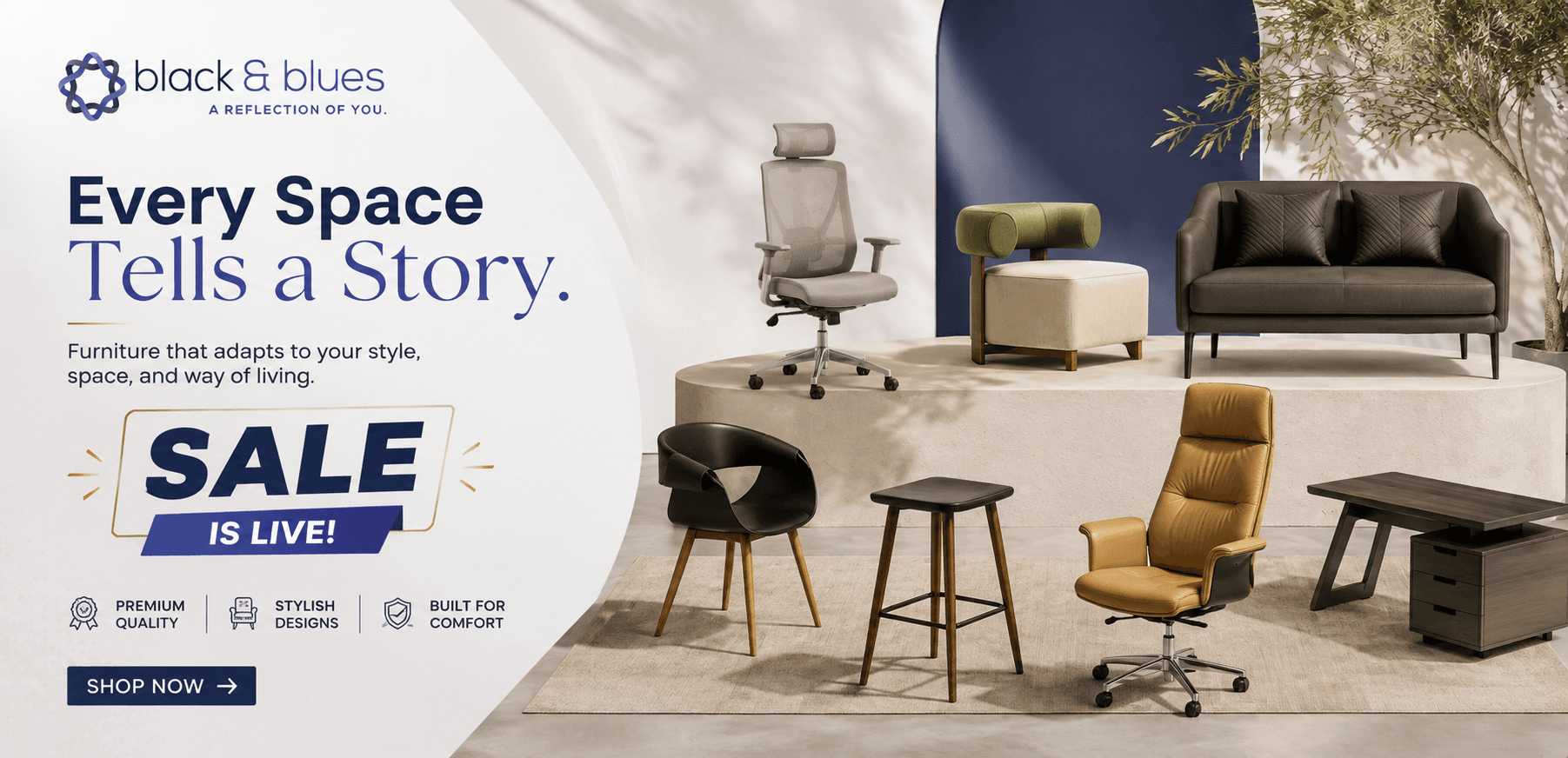
Design‑Driven Workspaces: The Ultimate Guide to Office Furniture for Creative Agencies

Home / Design‑Driven Workspaces: The Ultimate Guide to Office Furniture for Creative Agencies

Guide to Office Furniture for Creative Agencies

Guide to Office Furniture for Creative Agencies

Guide to Office Furniture for Creative Agencies

Transforming desks, chairs, and meeting pods into engines of imagination, collaboration, and well‑being.

Table of Contents
1. [Why Furniture Matters More Than You Think](whyfurniturematters)
2. [Core Principles for a Creative‑Friendly Office](coreprinciples)
a. Flexibility & Modularity
b. Brand‑Centric Aesthetics
c. Ergonomics & Health
d. Tech‑Readiness
e. Sustainability & Storytelling
3. [Zoning Your Agency: Furniture by Function](zoning)
a. The “Think‑Tank” Open‑Plan
b. Private Focus Pods & “Quiet Rooms”
c. Collaborative Zones (Huddle Spaces, Whiteboard Walls)
d. Client‑Facing Areas (Reception & Pitch Rooms)
e. Social & Recharge Spaces (Lounge, Kitchen, Play)
4. [Key Furniture Categories & Top Picks (2024‑2025)](keyfurniture)
Desks
Chairs
Storage & Display
Seating Clusters & Sofas
Acoustic Solutions
5. [Budgeting Without Compromise: Cost‑Effective Strategies](budget)
6. [Future‑Proofing: Trends to Watch in 2025 and Beyond](future)
7. [Implementation Checklist & Timeline](checklist)
8. [Final Thoughts: From Furniture to Culture](final)


1. Why Furniture Matters More Than You Think

When you walk into a high‑performing creative agency—think IDEO, Pentagram, or a fast‑growing boutique studio—the first impression isn’t just the artwork on the walls. It’s the physical rhythm of the space: the height of the desk, the plushness of the lounge sofa, the way a meeting table invites people to lean in. Studies show that environmental cues account for up to 40 % of employee productivity, while ergonomics directly affect health outcomes and turnover rates.

In short:

Impact Area What Good Furniture Does What Bad Furniture Does

Creativity Offers adaptable surfaces for sketching, prototyping, and impromptu brainstorming. Rigid layouts stifle spontaneity.
Collaboration Modular tables and mobile chairs encourage fluid team formations. Fixed partitions create silos.
Well‑Being Ergonomic chairs reduce back pain, encouraging longer focus periods. Uncomfortable seating leads to fatigue and absenteeism.
Brand Storytelling Curated pieces reinforce brand values (e.g., reclaimed wood for sustainability). Generic furniture dilutes brand identity.
Talent Attraction Modern, thoughtful design is a magnet for top creative talent. Outdated furnishings signal neglect.

Hence, furniture is not a cost center—it’s a strategic asset.


2. Core Principles for a Creative‑Friendly Office

Before you start measuring square footage or browsing catalogs, align the furniture plan with five core principles. Treat them as design “must‑haves” rather than optional add‑ons.

a. Flexibility & Modularity
Creative work is inherently non‑linear. Teams shift from deep‑focus design sprints to rapid brainstorming sessions. Furniture must re‑configure in minutes—think rolling desks, stackable chairs, and collapsible walls.

Pro tip: Choose a modular grid system (e.g., 600 mm spacing) so any combination of tables, partitions, or display panels snaps together neatly.

b. Brand‑Centric Aesthetics
Your furniture should speak your brand language before any copy does. If your agency champions sustainability, opt for reclaimed timber and biodegradable textiles. If you’re a tech‑first studio, sleek metal frames and integrated charging stations become visual signifiers.

c. Ergonomics & Health
A creative mind can’t function at its peak when the back hurts. Follow ANSI/HFES ergonomic standards, but also go beyond by providing:

Sit‑stand desks (adjustable height range 65–125 cm)
Task chairs with lumbar support, breathable mesh, and 360° swivel
Anti‑fatigue mats for standing zones

d. Tech‑Readiness
Every surface should be plug‑and‑play:

Built‑in power strips & USB‑C ports
Wireless charging pads embedded in desks and lounge tables
Cable‑management grommets to keep cords invisible

e. Sustainability & Storytelling
Millennial and Gen‑Z talent increasingly judge employers on environmental impact. Choose furniture certified by BIFMA Level, FSC, Cradle‑to‑Cradle or with a circular‑economy take‑back program. When you can tell the story of a desk made from reclaimed shipping pallets, you add an extra layer of brand authenticity.


3. Zoning Your Agency: Furniture by Function

A one‑size‑fits‑all floor plan rarely works for a creative agency. Instead, zone the office based on activity type. Below, each zone is paired with furniture recommendations and layout tips.

a. The “Think‑Tank” Open‑Plan

Goal Furniture

Encourage spontaneous interaction Mobile bench‑style desks (e.g., Steelcase Series 1) with lock‑in wheels; rolling whiteboard panels that double as standing partitions.
Provide personal “scratch‑space” Height‑adjustable drafting tables for sketch‑heavy work; large mouse‑pads that act as mini‑canvas.
Preserve visual openness Use transparent acrylic or glass dividers—they define space without blocking sightlines.

Layout tip: Keep a minimum 1.5 m circulation aisle between desk clusters for easy flow.

b. Private Focus Pods & “Quiet Rooms”

Creative breakthroughs often need silence. Offer:

Acoustic pod cabins (e.g., HNI “Focus Pods” with 30 dB reduction)
Sound‑absorbing chairs wrapped in fabric with high NRC rating
Desk‑integrated task lighting (LED with 4000 K neutral white)

Place these near natural light but away from high‑traffic corridors.

c. Collaborative Zones (Huddle Spaces, Whiteboard Walls)

Low‑profile, height‑adjustable tables (e.g., Herman Miller “Motia”) that can be raised for standing meetings.
Modular poufs or bean‑bags for informal idea‑sharing.
Full‑wall whiteboard or paint‑on‑dry‑erase surfaces; consider a magnetic chalkboard for tactile brainstorming.

Add mobile power carts that roll into the space for laptops and tablets.

d. Client‑Facing Areas (Reception & Pitch Rooms)

First impressions matter. Choose furniture that balances professionalism with creativity:

Reception desk in a bold material (e.g., reclaimed teak with brass hardware).
Executive conference table with integrated cable management, built‑in power, and a centermounted media console for video pitches.
Guest chairs that echo the agency’s design language—think upholstered, mid‑century modern silhouettes for a timeless feel.

e. Social & Recharge Spaces (Lounge, Kitchen, Play)

Oversized sofas in vibrant fabrics; consider a sectional with hidden storage for board games or design books.
Coffee bar stools with swivel bases for easy conversation.
Biophilic elements: wooden benches with planters, a living wall, or a “green” coffee table (a slab of reclaimed wood with integrated succulents).

These zones reduce burnout and fuel cross‑departmental bonding.


4. Key Furniture Categories & Top Picks (2024‑2025)

Below is a curated list of industry‑leading pieces that have proven themselves in creative environments. Prices are indicative (USD) and vary by region and customization.

4.1 Desks

Category Model (Brand) Highlights Approx. Price

Sit‑Stand Steelcase Series 1 2‑stage height, magnetic cable management, 100 kg load $900‑$1,200
Collaborative Table Herman Miller Motia Adjustable height, modular extensions, integrated power strips $1,400‑$2,000
Compact Drafting IKEA BEKANT (customized) Large work surface, optional whiteboard top, affordable $350‑$500
Eco‑Friendly Vitra Eames Desk (recycled wood) FSC‑certified, timeless design, low VOC finish $1,800‑$2,500

4.2 Chairs

Category Model (Brand) Highlights Approx. Price

Ergonomic Task Haworth Zody Adjustable lumbar, 99 % recyclable, 2‑year warranty $600‑$800
Creative Lounge Knoll Bertoia Wire mesh, iconic, breathable $500‑$700
Executive Humanscale Freedom Weight‑sensing recline, no‑adjustment needed $1,000‑$1,300
Standing‑Mat Companion Ergonomic Anti‑Fatigue Mat (Topo) 3 mm thickness, antimicrobial $45‑$70

4.3 Storage & Display

Modular shelving – String System (flexible, 2‑tone finish)
Mobile filing cabinets – Herman Miller “Movi” with lockable wheels
Display easels – Moooi “Crescent” for art or mood boards, 360° rotation

4.4 Seating Clusters & Sofas

Sectional sofas – Coco‑Coco “Milo” (fabric swap, hidden storage)
Swivel lounge chairs – Vitra “Soft Pad” (upholstered in recycled polyester)

4.5 Acoustic Solutions

Acoustic wall panels – GIK Acoustics “Coco” (fabric‑wrapped, 2‑in‑1 design)
Floor‑standing acoustic screens – Herman Miller “AcoustiPanel” (mobile, 30 dB reduction)

> Quick tip: When budgeting, prioritize acoustic treatments early. Poor sound quality erodes collaboration faster than any aesthetic flaw.


5. Budgeting Without Compromise: Cost‑Effective Strategies

Strategy How to Apply Savings Potential

Hybrid Purchasing Combine high‑impact statement pieces (e.g., a custom reception desk) with mass‑market functional items (IKEA desks, office‑warehouse chairs). 20‑30 % overall cost reduction
Lease‑to‑Own Many vendors (Herman Miller, Steelcase) offer furniture as a service—pay a monthly fee that includes upgrades. Lower upfront CAPEX, easier tech refresh
Refurbished/Second‑Hand Purchase certified‑refurbished ergonomic chairs from reputable dealers. Up to 50 % off new price, still warranty‑covered
DIY Modular Add‑Ons Use industrial pipe‑frame tables with reclaimed wood tops—cost‑effective, customizable. $200‑$400 per table vs $1,000+ for designer models
Volume Discounts Negotiate bundle pricing for entire zones (e.g., “all collaborative furniture”). 10‑15 % off list price

Budget Worksheet (example)

Zone Item Qty Unit Cost Total Notes

Open‑Plan Desks Steelcase Series 1 20 $1,100 $22,000 5 % volume discount
Focus Pods HNI Acoustic Pods 6 $2,200 $13,200 Lease‑to‑own, 3‑yr term
Lounge Milo Sectional 2 $2,500 $5,000 Custom fabric (recycled)
Reception Custom Reclaimed Desk 1 $3,200 $3,200 One‑off, brand statement
Subtotal $43,400
Contingency (10 %) $4,340
Grand Total $47,740

(Numbers are illustrative; adjust for local market.)


6. Future‑Proofing: Trends to Watch in 2025 and Beyond

Trend What It Means for Furniture

Hybrid Work Integration Furniture must be portable for remote‑office hybrid models—think fold‑away desks and travel‑friendly ergonomic chairs.
AI‑Driven Space Planning Tools like SpaceIQ use AI to suggest optimal layout based on usage data. Investing in plug‑and‑play modular pieces maximizes flexibility when the software recommends changes.
Well‑Being as a KPI Sensors embedded in chairs to monitor posture and movement will become standard. Look for smart furniture partnerships (e.g., Humanscale with health‑data APIs).
Biophilic Design Live‑plant walls and organic‑shape furniture (e.g., 3D‑printed biodegradable seats) will shift the aesthetic toward nature‑mimicry.
Circular Economy Companies will demand take‑back programs; choose vendors with closed‑loop recycling to future‑proof your asset management.

Actionable tip: Conduct a quarterly space audit—measure seat‑occupancy, collaboration‑hour peaks, and adjust furniture layout accordingly. Small tweaks (moving a standing desk cluster) can boost utilization by 15 % without extra spend.


7. Implementation Checklist & Timeline

Phase Timeline Key Tasks Deliverables

Discovery Weeks 1‑2 • Stakeholder interviews (designers, developers, HR)
• Space utilization audit (heat‑map)
• Brand‑values workshop Requirements brief, budget cap
Concept Design Weeks 3‑5 • Zoning plan
• Mood boards (material, color)
• Furniture shortlist Concept presentation, vendor short‑list
Vendor Selection Weeks 6‑7 • RFQ distribution
• Samples & mock‑ups
• Sustainability certification verification Signed contracts, lead times
Procurement & Logistics Weeks 8‑12 • Order placement
• Delivery schedule
• Pre‑install site prep (floor reinforcement, power points) Delivery receipts, installation plan
Installation Weeks 13‑15 • Modular assembly
• Tech integration (cabling, power)
• Acoustic testing Fully functional zones
Post‑Install Review Week 16 • User satisfaction survey
• Ergonomic audit
• Adjustments (e.g., chair height tweaks) Final report, maintenance schedule
Ongoing Quarterly • Space utilization analytics
• Furniture condition audit
• Refresh plan Continuous improvement loop


8. Final Thoughts: From Furniture to Culture

When you choose a standing desk, you’re not just buying a piece of wood and metal—you’re endorsing a culture that values movement, health, and flexibility. When you install an acoustic pod, you signal that deep focus is respected. When your reception desk is crafted from reclaimed ocean‑plastic, you broadcast a commitment to sustainability before any pitch begins.

Remember:
People are the core of any creative agency. Furniture is the medium that either enables or constrains their brilliance.
Design should be purposeful, not merely decorative. Every curve, material, and finish should reinforce the story you want to tell—both to clients and to your own team.
Iterate. The best offices evolve just as the projects they house evolve. Build in the capacity to re‑configure and re‑imagine your space as often as you would a brand identity.

Quick Recap

What to Do Why It Matters

Map out zones based on activity Align furniture with workflow, reduce friction
Invest in ergonomics first Boost health, reduce turnover
Pick modular, tech‑ready pieces Future‑proof for hybrid work
Tie aesthetics to brand values Strengthen identity, attract talent
Prioritize sustainability Appeal to values‑driven employees & clients
Measure, adjust, repeat Keep the office as dynamic as the ideas it births

Ready to Get Started?

1. Audit your current space using a simple spreadsheet (see the checklist).
2. Gather a cross‑functional “Furniture Task Force.” Include designers, project managers, and HR.
3. Set a pilot budget—start with one zone (e.g., the collaboration area) and test a modular system.
4. Document the impact (employee satisfaction scores, meeting efficiency) and build the business case for agency‑wide rollout.

Your agency’s next big breakthrough could be waiting on the other side of a well‑designed meeting table. Let the furniture be the silent partner that amplifies imagination, fuels collaboration, and keeps the creative energy flowing—day in, day out.

> “Good design is obvious. Great design is transparent.” – Joe Sparano
> In a creative agency, the best furniture disappears into the workflow, leaving only its positive impact behind.

Happy designing, and may your desks be ever adaptable!

(If you’d like a deeper dive into specific product specs or a custom layout simulation, feel free to reach out in the comments or via our contact form.)

Guide to Office Furniture for Creative Agencies

Leave a Reply

Your email address will not be published. Required fields are marked *

Back to Top
Added to cart