
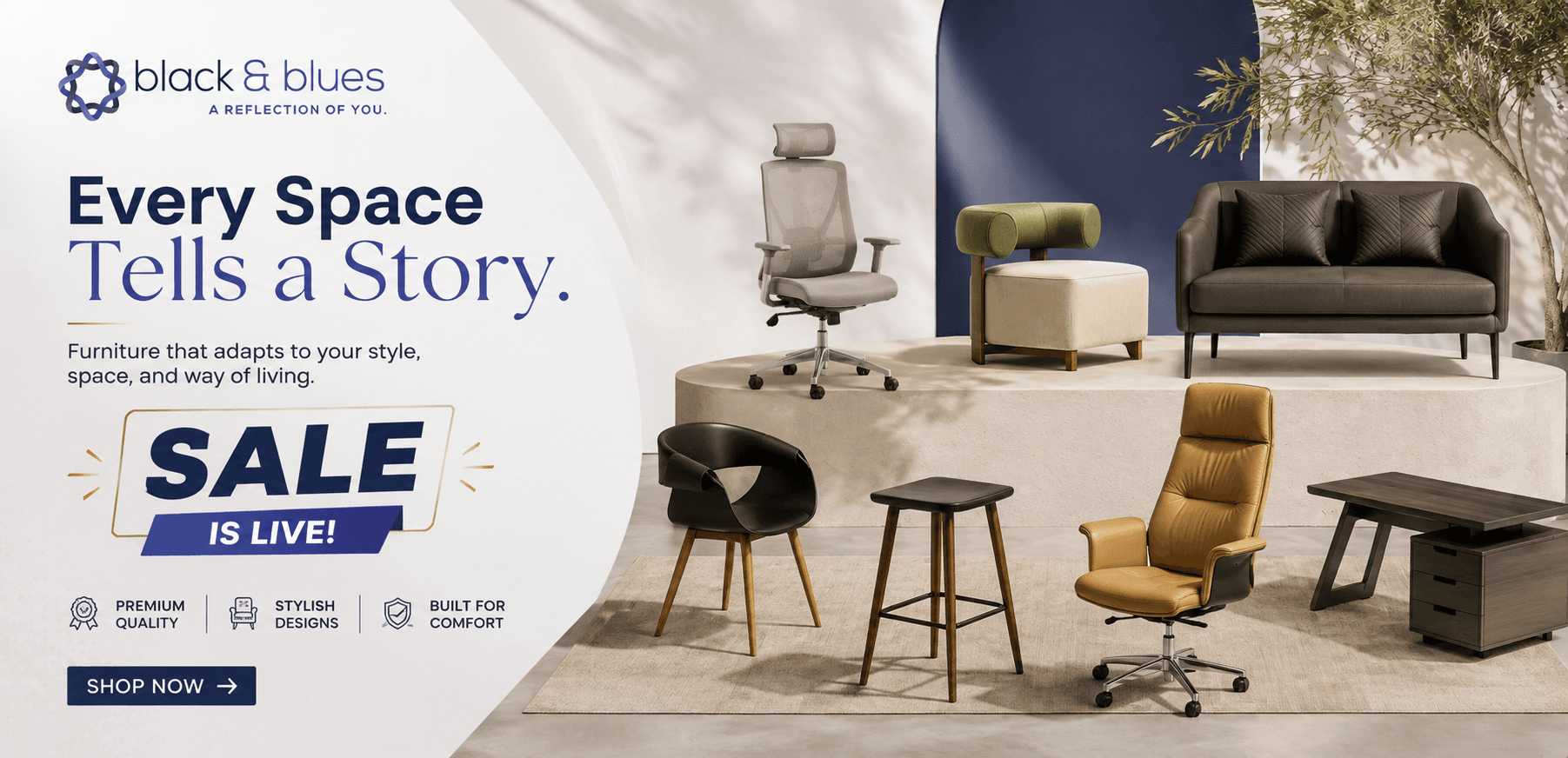
FAQ: Differences Between Task and Executive Chairs

Whether you’re setting up a home office, revamping a corporate floor, or simply upgrading your own workstation, the chair you sit on can make—or break—your productivity, health, and overall comfort. Two of the most common terms you’ll encounter in the world of office furniture are “Task Chair” and “Executive Chair.” While both promise ergonomic support and a professional look, they serve very different purposes, design philosophies, and price points.
In this comprehensive, FAQ‑style blog post we’ll:
Define what a task chair and an executive chair actually are.
Break down their key differences across design, ergonomics, materials, price, and use‑case.
Address the most common questions professionals, managers, and home‑office enthusiasts ask.
Offer practical guidance on how to choose the right chair for your specific needs.
Provide maintenance tips, budgeting advice, and future‑trend insights.
Grab a coffee, settle into your favorite seat (no matter what it is), and let’s dive into the world of office seating!
Table of Contents
1. What Exactly Is a Task Chair?
2. What Exactly Is an Executive Chair?
3. Quick‑Fire Comparison Table
4. Frequently Asked Questions (FAQ)
4.1 Design & Aesthetics
4.2 Ergonomics & Health
4.3 Materials & Build Quality
4.4 Price & Value
4.5 Use‑Case Scenarios
4.6 Longevity & Warranty
4.7 Sustainability & Green Choices
5. How to Choose the Right Chair for Your Situation
6. Maintenance & Care Tips for Both Types
7. Future Trends: What’s Next for Task & Executive Seating?
8. Final Verdict: Which Chair Wins? (Spoiler: It Depends!)
1. What Exactly Is a Task Chair?
A task chair is purpose‑built for daily, repetitive work that involves sitting for several hours at a time—think typing, data entry, graphic design, or virtual meetings. The hallmark of a task chair is function over form: it emphasizes adjustable ergonomics, lightweight construction, and a modest footprint.
Core Characteristics
Feature Typical Specification
Adjustability Height, tilt tension, lumbar support, arm‑rest height/width, seat depth, swivel, recline
Weight Capacity 250‑300 lb (113‑136 kg) – some models up to 350 lb
Base Usually a five‑star polymer or aluminum base with smooth‑rolling casters
Seat Padding Medium‑density foam (often 1–2 inches thick) with breathable mesh or fabric upholstery
Backrest Curved, often with built‑in lumbar support; may be mesh, fabric, or leatherette
Mobility Light (15–30 lb), easy to move between desks
Price Range $100‑$600 for mid‑range; high‑end models $600‑$1,200
Design Philosophy
Modularity: Many task chairs come in “mix‑and‑match” components—swap out arm‑rests, replace casters, or add a headrest.
Space‑Efficiency: Slim profiles fit well in cubicles, hot‑desking setups, or small home offices.
Cost‑Effectiveness: Because they are mass‑produced with standardized parts, they can deliver solid ergonomics at a relatively low price.
2. What Exactly Is an Executive Chair?
An executive chair is the “boardroom‑ready” counterpart—crafted to convey authority, status, and a sense of luxury while still providing comfort for long meetings or high‑level decision making. These chairs are often found behind a manager’s desk, in conference rooms, or in executive suites.
Core Characteristics
Feature Typical Specification
Adjustability Height, tilt lock, recline, lumbar support, sometimes seat depth, often fewer micro‑adjustments than task chairs
Weight Capacity 250‑350 lb (113‑159 kg) – many models exceed 400 lb
Base Heavy‑duty steel or reinforced polymer, often with larger, “cushioned” casters
Seat Padding High‑density foam + plush pillow top, usually 2‑4 inches thick
Upholstery Full‑grain leather, premium leather‑ette, high‑end fabric, sometimes wood or metal accents
Design Bold, high‑back, often with a “padded” look; may feature nailhead trim or carved wood details
Price Range $300‑$2,000+; ultra‑luxury models can exceed $5,000
Design Philosophy
Presence: The chair is a visual statement—think deep, supportive backrests, wide seat pans, and refined finishes.
Comfort for “Sit‑and‑Think”: The padding is generous, providing a “soft” feel ideal for occasional long‑hour meetings (though not necessarily the most ergonomic for continuous desk work).
Longevity & Prestige: Executive chairs are built to last and to maintain their appearance over years of use.
3. Quick‑Fire Comparison Table
Category Task Chair Executive Chair
Primary Goal Ergonomic support for daily tasks Professional image + comfort for occasional long sitting
Adjustability Highly adjustable (6‑8 points) Moderate (3‑5 points)
Weight Light (15‑30 lb) Heavy (35‑50 lb)
Upholstery Mesh, fabric, low‑grade leatherette Premium leather, leatherette, high‑end fabric
Back Height Mid‑back (12‑15 in) High‑back (18‑22 in)
Arm‑rests Adjustable, sometimes 4‑D Fixed or limited adjustability
Footprint Small, fits tight spaces Larger, demands more floor area
Typical Price $100‑$600 (mid‑range) $300‑$2,000+
Best For Open‑plan offices, hot‑desking, remote workers Executive suites, boardrooms, private offices
Durability Moderate (5‑7 years) High (10‑15 years+)
Style Focus Functional, modern Classic, luxurious
4. Frequently Asked Questions (FAQ)
Below you’ll find the most common queries that pop up when people are trying to decide between a task chair and an executive chair. If you don’t see your exact question, keep scrolling—chances are it’s covered somewhere in these sections.
4.1 Design & Aesthetics
Q1. Can a task chair look as “executive” as a traditional executive chair?
A: Absolutely—many premium task chairs now feature sleek leather finishes, polished chrome bases, and even wood‑tone accents. While they may lack the towering high‑back silhouette, a well‑chosen task chair can blend seamlessly into a high‑end office aesthetic.
Q2. Do executive chairs come in modern designs, or are they all “old‑school” leather?
A: The market has evolved. Today you’ll find executive chairs with minimalist frames, matte black metal, and even breathable mesh backs—still maintaining a high‑back, plush feel but with a contemporary twist.
Q3. What color options are typically available?
A: Task chairs: black, gray, navy, teal, and occasionally bright accent colors. Executive chairs: classic black, deep brown, cognac, white leather, and sometimes custom‑dyed fabrics for corporate branding.
4.2 Ergonomics & Health
Q4. Which chair is better for back health?
A: For continuous desk work, a task chair usually wins because it offers more granular ergonomic adjustments—particularly lumbar support, seat depth, and tilt tension. Executive chairs can provide comfort but often prioritize cushioning over targeted support.
Q5. I have a chronic lower‑back issue. Should I avoid executive chairs?
A: Not necessarily. Look for an executive chair with built‑in lumbar adjustment or add an aftermarket lumbar cushion. However, a task chair with a mesh back and adjustable lumbar will likely give you better posture control over long periods.
Q6. Is mesh better than leather for breathability?
A: Mesh excels at airflow, keeping you cool during marathon coding sessions. Leather (especially full‑grain) can trap heat, though many modern leather‑ette fabrics incorporate perforations to improve breathability. If you work in a warm climate, mesh task chairs are often the smarter choice.
Q7. What about arm‑rest adjustability?
A: Task chairs typically offer 4‑D arm‑rests (height, width, depth, pivot), whereas executive chairs may have fixed or 2‑D arm‑rests. If you switch between typing, writing, and phone calls, the added flexibility of task‑chair arm‑rests can reduce shoulder strain.
4.3 Materials & Build Quality
Q8. Which material lasts longer: leather or mesh?
A: Both can be durable when sourced well. Full‑grain leather can last decades if properly conditioned; however, it is susceptible to cracking if exposed to extreme heat or sunlight. High‑quality mesh (e.g., 3D‑knit) resists tearing and is generally easier to clean, but it can sag over many years if the underlying frame is low‑grade.
Q9. Do executive chairs use better frames?
A: Usually, yes. Executive chairs often have reinforced steel or aluminum frames, thicker base plates, and heavierduty casters. Task chairs prioritize weight savings, so while they’re still sturdy, they may not handle the same load capacity.
Q10. Is there a noticeable difference in the foam used?
A: Executive chairs often employ high‑density foam + pillow‑top layering for that plush feel. Task chairs may use a single layer of medium‑density foam, which provides consistent support without “sink‑in” fatigue.
4.4 Price & Value
Q11. Why do executive chairs cost so much?
A: The price reflects premium materials (full‑grain leather, solid wood accents), higher weight capacity, and the “status” factor. Additionally, many executive chairs are built in lower‑volume manufacturing runs, increasing per‑unit cost.
Q12. Can I get a high‑quality ergonomic experience on a $150 task chair?
A: Yes—brands like HON, Steelcase, and Ergohuman offer entry‑level ergonomic chairs in the $150‑$250 range that meet basic adjustability standards. However, you may sacrifice some fine‑tuning options and durability.
Q13. Is it worth investing $1,000+ for an executive chair if I work from home?
A: Only if you value the aesthetic and the plush feel for occasional long meetings. For day‑to‑day productivity, a high‑end task chair (e.g., Steelcase Leap, Herman Miller Aeron) often delivers a better return on health and performance.
4.5 Use‑Case Scenarios
Q14. Which chair suits a “hot‑desking” environment?
A: A task chair. Its light weight and stackable design (many models fold or come with wheels that can be locked) make it ideal for shared spaces.
Q15. What about a small home office with limited space?
A: Again, a compact task chair with a small footprint and perhaps a mesh back to reduce visual bulk. Look for chairs with a low back height to free up wall space.
Q16. I’m a senior manager who occasionally works at a desk—should I get both?
A: Many executives maintain two chairs: a plush executive chair for the office and a high‑quality task chair for remote work. If budget is tight, choose a task chair with a leather finish to bridge the gap.
4.6 Longevity & Warranty
Q17. What warranty should I expect?
A: Task chairs: 5‑year limited warranty covering frame, mechanisms, and upholstery (sometimes 3‑year for upholstery). Executive chairs: 7‑10‑year warranty, often with separate coverage for leather (e.g., “scratch‑free” guarantee for 5 years).
Q18. Do executive chairs retain value better?
A: High‑end executive chairs—particularly those in genuine leather—can retain resale value for many years, especially if maintained well. Premium task chairs (like Herman Miller or Steelcase) also hold value, but the market leans toward executive aesthetics for resale.
4.7 Sustainability & Green Choices
Q19. Which type is more eco‑friendly?
A: Modern task chairs often use recyclable polymer bases, low‑VOC foam, and recycled mesh fabrics, giving them a greener profile. Executive chairs using genuine leather have a larger carbon footprint, but many manufacturers now offer vegetable‑tanned leather and FSC‑certified wood components.
Q20. Can I recycle an old chair?
A: Yes—most manufacturers have take‑back programs. Look for chairs labeled “recyclable” or contact the original brand for disposal guidelines. Many office furniture dealers also accept trade‑ins.
5. How to Choose the Right Chair for Your Situation
Below is a step‑by‑step decision matrix you can use while shopping. Grab a notebook, and follow the flow:
1. Identify Primary Use
Full‑day desk work: Task chair.
Occasional board meetings, “executive presence”: Executive chair.
2. Measure Your Space
Desk width < 48” → Choose a chair ≤ 22” wide.
Ceiling height low → Prefer mid‑back rather than high‑back.
3. Assess Health Needs
Back pain, neck strain: Look for lumbar adjustability, seat depth, and tilt tension (task chair).
Temperature sensitivity: Mesh (task) vs. leather (executive).
4. Set a Budget
<$300 → Entry‑level task chair (e.g., Hbada, AmazonBasics).
$300‑$800 → Mid‑range task (e.g., HON Ignition, Humanscale Diffrient) or entry‑level executive (e.g., LaZ‑Boy).
$800+ → Premium task (e.g., Steelcase Leap, Herman Miller Embody) or high‑end executive (e.g., Knoll Generation, Serta Executive Leather).
5. Test Adjustability
Sit and test height, recline, lumbar, arm‑rests.
Verify that you can achieve a 90‑100° knee angle and 100‑110° hip angle for optimal posture.
6. Check Mobility
If you move around a lot, ensure smooth‑rolling casters (hard‑floor vs. carpet wheels).
For executive chairs, heavier bases may limit quick repositioning.
7. Consider Aesthetic Fit
Match wood tones, metal finishes, and upholstery to existing décor.
If you have a modern open‑plan, a sleek mesh task chair may blend better; a traditional executive suite may call for a leather executive chair.
8. Read Reviews & Warranty
Look for durability anecdotes, especially regarding base cracks or upholstery wear.
Confirm warranty length and what it covers.
Quick Decision Cheat‑Sheet
Scenario Recommended Chair Type
Open‑plan office, rotating desks Lightweight task chair with lockable casters
Home office, small space Compact task chair with mesh back
Private executive suite High‑back executive chair with leather
Conference room (multiple users) Task chair with easy‑adjust features, or a sleek executive chair that can accommodate various body types
Budget‑tight startup Mid‑range task chair (e.g., HON, IKEA MARKUS)
Luxury corporate headquarters High‑end executive chair (e.g., Herman Miller Setu, Knoll ReGeneration)
6. Maintenance & Care Tips
A well‑maintained chair lasts longer and stays comfortable. Below are tailored care guidelines.
For Task Chairs
Component Maintenance Action
Mesh Back Vacuum weekly; spot‑clean with mild soap & water. Avoid harsh chemicals that degrade nylon fibers.
Foam Seat Rotate (if detachable) every 3–6 months to prevent uneven wear.
Casters Clean debris weekly; replace worn casters after ~2 years if they start squeaking.
Adjustment Levers Tighten any loose screws monthly; lubricate moving parts with silicone spray (avoid WD‑40).
Upholstery Use fabric protectors for spills; consider a removable seat cushion for extra comfort.
For Executive Chairs
Component Maintenance Action
Leather Wipe with a dry microfiber cloth; condition with a leather‑specific cream every 6 months. Avoid direct sunlight.
Foam Core Occasionally flip or rotate if the chair design allows.
Wood or Metal Accents Polish wood annually; wipe metal with a damp cloth and dry immediately to prevent rust.
Base & Casters Heavy‑duty casters may need replacement after ~5 years; keep the base free of dust to prevent wobble.
Upholstery (Fabric) Use an upholstery vacuum; consider a fabric protector spray for stains.
General Tip: Always follow the manufacturer’s user manual for specific cleaning agents. Using the wrong product can void warranties.
7. Future Trends: What’s Next for Task & Executive Seating?
7.1 Smart & Connected Chairs
Integrated Sensors: New task chairs (e.g., Xsensio, Morphe) embed pressure sensors that track posture and send alerts to your phone or desktop.
Active Seating: Some models include subtle micro‑vibrations or “rocking” mechanisms that encourage micro‑movements, improving circulation.
7.2 Sustainable Materials
Bio‑Based Foams: Plant‑derived polyols reduce reliance on petroleum. Expect task chairs with 30‑40% bio‑foam content.
Recycled Mesh & Reclaimed Leather: Luxury executive chairs are starting to use reclaimed leather sourced from vintage automobiles, offering a unique story and reduced carbon footprint.
7.3 Hybrid Designs
Executive‑Style Task Chairs: Think high‑back, leather‑finish task chairs with full ergonomics—combining authority with adjustability.
Task‑Style Executive Chairs: Lightweight bases, mesh backs, but with a tall, dignified silhouette—perfect for modern “executive‑flex” workspaces.
7.4 Health‑Focused Features
Dynamic Lumbar Support: Systems that automatically adjust lumbar pressure based on sitting posture.
Temperature Regulation: Seats with built‑in cooling gel layers or heated pads for year‑round comfort.
8. Final Verdict: Which Chair Wins? (Spoiler: It Depends!)
When it comes to Task vs. Executive Chairs, the “winner” isn’t a universal truth—it’s a contextual decision. Here’s a concise recap:
Goal Choose
Maximum ergonomic adjustability for long‑hour desk work Task Chair (e.g., Steelcase Leap, Herman Miller Embody)
Professional prestige & a plush, high‑back feel Executive Chair (e.g., LaZ‑Boy Leather Executive, Knoll Generation)
Limited space, need for mobility Task Chair
Corporate branding, high‑end aesthetic Executive Chair
Budget‑friendly but ergonomic Mid‑range Task Chair
Luxury investment that lasts 15+ years High‑end Executive Chair (or premium task chair with long warranty)
Eco‑conscious purchase Task Chair with recycled mesh or bio‑foam
Bottom line: If you spend most of your day at a desk, invest in a well‑designed task chair with robust ergonomics. If your role involves leadership presence, occasional long meetings, and a desire for a commanding look, an executive chair may be the better fit. Many professionals opt for both, using a task chair for daily grind and an executive chair for boardroom appearances.
Bonus: Top 5 Picks for 2025 (Based on Reviews & Expert Consensus)
Rank Chair Type Price (USD) Why It Stands Out
1 Herman Miller Embody Task $1,595 Adaptive pixelated support, superb lumbar, award‑winning ergonomics
2 Steelcase Leap V2 Task $1,099 Highly adjustable, excellent durability, 12‑year warranty
3 Knoll ReGeneration Executive $1,200 Sustainable (recycled materials), sleek high‑back, flexible tilt
4 LaZ‑Boy Bellamy Executive Leather Executive $850 Classic leather, plush cushioning, durable steel base
5 HON Ignition 2.0 Task $389 Great value, 7‑adjustment points, breathable mesh back
Prices are approximate and may vary by retailer.
Take Action Today
1. Audit Your Workspace – Measure your desk, note your posture issues, and list your aesthetic goals.
2. Set a Budget – Determine whether you’ll allocate funds for a single chair or a dual‑chair setup.
3. Test Drive – Visit a showroom (or order a 30‑day trial from an online retailer) to feel the difference firsthand.
4. Prioritize Health – Choose a chair that encourages a neutral spine, not just a pretty look.
5. Maintain – Follow the care tips above to protect your investment for years to come.
Your chair is more than a piece of furniture; it’s a daily partner in productivity, health, and professional presence. By understanding the nuanced differences between task chairs and executive chairs, you’re empowered to make a decision that supports both your body and your brand.
Happy sitting, and may your days be comfortable, productive, and stylish!
