
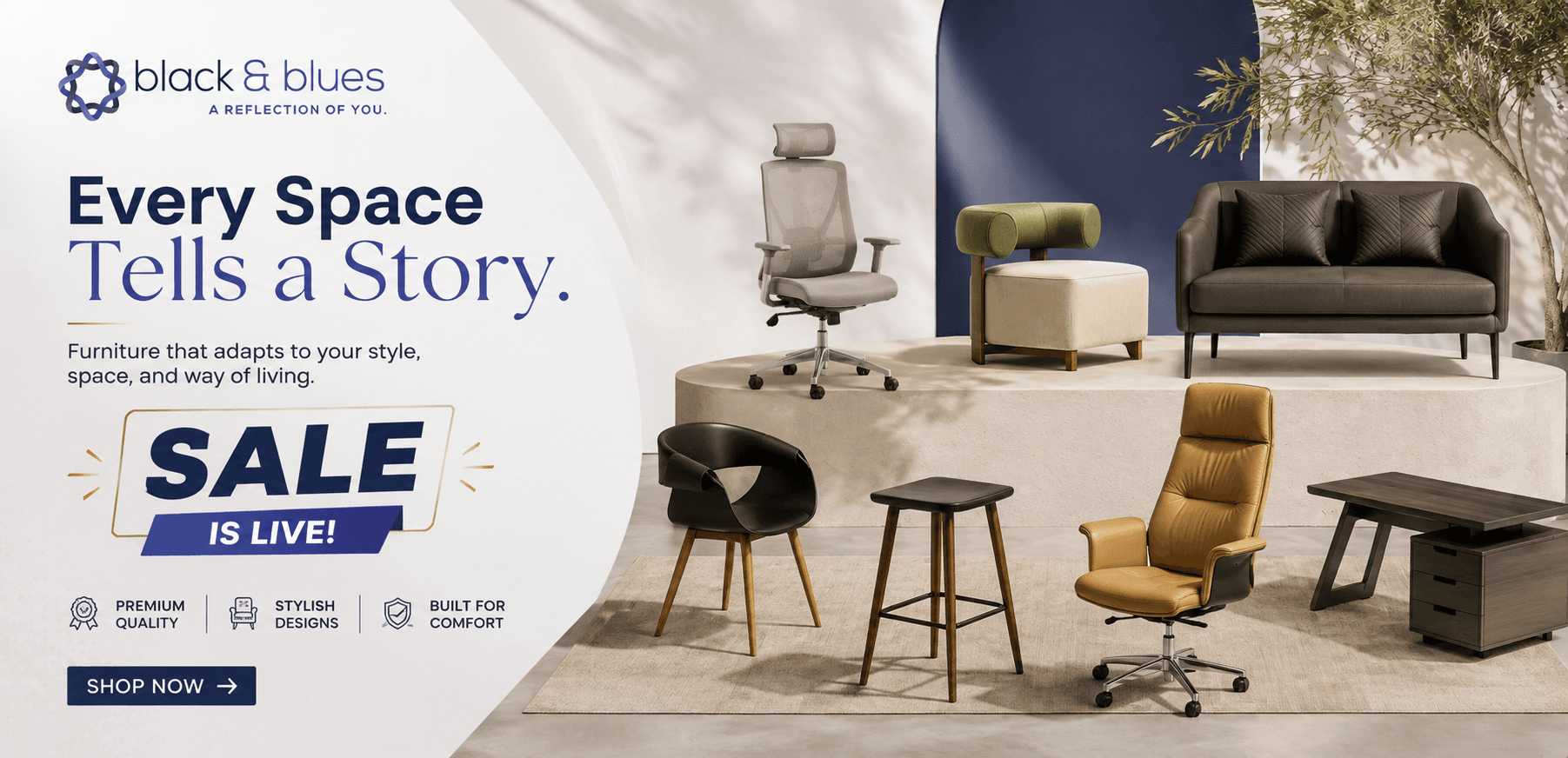
Work‑Smart, Not Hard: The Ultimate Guide to Office Furniture Rental in Gachibowli

Home / Work‑Smart, Not Hard: The Ultimate Guide to Office Furniture Rental in Gachibowli

Office furniture rental Gachibowli

Office furniture rental Gachibowli

Office furniture rental Gachibowli

Whether you’re a startup founder, a facilities manager for a multinational, or a freelancer carving out a co‑working niche, the way you furnish your workspace can make—or break—your business momentum. In Hyderabad’s buzzing tech corridor of Gachibowli, office furniture rental has emerged as a strategic lever for growth, agility, and sustainability. This guide dives deep into the “why,” “what,” and “how” of renting office furniture in Gachibowli, arming you with the insights you need to make a decision that fuels productivity, impresses clients, and protects your bottom line.

Table of Contents

1. [Why Office Furniture Rental is Gaining Traction in Gachibowli](whyrental)
2. [Rent vs. Buy: A Side‑by‑Side Comparison](compare)
3. [Key Benefits of Renting Office Furniture](benefits)
4. [The Gachibowli Landscape: Who’s Renting and Why?](landscape)
5. [Choosing the Right Rental Partner – 7 Critical Factors](choose)
6. [Cost Breakdown: What to Expect in Your Rental Invoice](cost)
7. [Sustainability & ESG: The Green Edge of Renting](sustainability)
8. [Real‑World Success Stories from Gachibowli](casestudies)
9. [Step‑by‑Step Playbook for a Smooth Rental Experience](playbook)
10. [Frequently Asked Questions (FAQs)](faq)
11. [Final Verdict: Is Renting the Smart Move for You?](final)

1. Why Office Furniture Rental is Gaining Traction in Gachibowli

Gachibowli is more than just a suburb of Hyderabad; it’s a hyper‑connected ecosystem that houses global IT giants (Microsoft, Google, Amazon), thriving startups, research institutions, and a surge of co‑working spaces. The rapid pace of business evolution here creates a set of unique challenges:

Challenge Traditional “Buy” Solution Rental‑Friendly Alternative

Speed of scaling Procurement cycles of 30‑90 days, often delayed by budget approvals. Turnkey delivery within 7‑14 days; flexible lease terms to match growth spikes.
Changing design trends Once a desk is bought, redesigning can be costly and time‑consuming. Swap or upgrade furniture mid‑lease, keeping the office “future‑ready.”
Cash‑flow constraints Large upfront CAPEX impacts working capital. Predictable OPEX with monthly installments; preserves cash for core operations.
Space optimization Fixed furniture may not fit new floor plans or hot‑desking models. Modular, reconfigurable pieces that can be re‑arranged without extra cost.
Sustainability goals Manufacturing new furniture adds to carbon footprint. Circular economy model – furniture is refurbished, reused, and recycled.

These pressures have driven an explosive 48% YoY growth in office‑furniture‑as‑a‑service (OFaaS) providers across Hyderabad, with Gachibowli leading the charge. For a city that prides itself on innovation and flexibility, renting isn’t just a convenience—it’s a competitive advantage.

2. Rent vs. Buy: A Side‑by‑Side Comparison

Metric Buy (Own) Rent (Lease)

Initial Investment High (₹30,000‑₹200,000 per workstation) Low (₹2,000‑₹5,000 per month per workstation)
Cash‑Flow Impact Large CAPEX hit; may require financing OPEX model; spreads cost evenly
Flexibility Fixed; changing layout = new purchases Adjustable lease terms (6‑12‑24 months)
Maintenance Owner‑responsibility (repair, warranty) Service included; quick replacements
Technology Integration Hard to upgrade (e.g., smart desks) Easy swap for newer tech‑enabled furniture
Tax Treatment Depreciation over 5‑7 years Full expense deductible as operating cost
End‑of‑Life Disposal Owner handles disposal, often costly Provider recycles or refurbishes; no waste worries
Scalability Requires new procurement for each growth wave Add or remove pieces on demand; no procurement lag

Bottom line: If your organization values agility, cash‑flow efficiency, and a low‑maintenance model, rental is the clear winner—especially in a fast‑moving hub like Gachibowli.

3. Key Benefits of Renting Office Furniture

3.1. Speed to Market
Turnkey Solutions: Most rental firms deliver, install, and configure within a week.
Pre‑Configured Packages: From “Startup Essentials” to “Executive Suite,” you can select a bundle that fits your brand image instantly.

3.2. Financial Predictability
All‑Inclusive Pricing: Rental fees often include delivery, installation, maintenance, and end‑of‑lease pick‑up.
No Hidden Costs: No surprise repair bills; the provider handles wear‑and‑tear.

3.3. Design Agility
Modular Systems: Systems like Herman Miller’s Action Office or Steelcase’s Flex Collection can be re‑configured for hot‑desking, private pods, or collaborative zones without purchasing new items.
Style Refresh: Swap a mid‑century modern chair for an ergonomic mesh model within months.

3.4. Workforce Well‑Being
Ergonomic Expertise: Rental vendors often employ certified ergonomists who recommend chairs and desks based on employee health data.
Rapid Upgrades: Replace a dated chair with an ergonomic model the moment new research emerges—no budget re‑approval needed.

3.5. ESG & Sustainability
Circular Economy: Furniture is refurbished and cycled back into the market, reducing landfill waste.
Carbon‑Neutral Options: Some providers offset emissions from manufacturing and logistics, aligning with corporate ESG goals.

3.6. Tax Advantages
Deductible OPEX: Rental fees are fully tax‑deductible in the year incurred, whereas purchased assets require multi‑year depreciation.

4. The Gachibowli Landscape: Who’s Renting and Why?

4.1. Startups & Scale‑ups
Typical Size: 5‑50 employees
Pain Points: Limited runway, frequent pivots, need for brand‑aligned spaces.
Rental Play: “Growth‑Ready” packages that can be scaled from 5 to 100 workstations within 30 days.

4.2. Multinational Corporations (MNCs)
Typical Size: 500+ employees across multiple floors.
Pain Points: Complex compliance requirements, need for premium executive furniture, global design standards.
Rental Play: “Enterprise Suite” with brand‑compliant executive chairs, conference tables, and integrated AV‑ready desks.

4.3. Co‑Working & Flexible Workspace Operators
Typical Size: 50‑300 desks, rotating occupancy.
Pain Points: High turnover of members, demand for “Instagram‑worthy” aesthetics.
Rental Play: “Design‑Forward” collections that can be swapped quarterly to keep the environment fresh.

4.4. Educational & Research Institutes (e.g., IIT Hyderabad nearby)
Typical Size: Labs, collaborative learning spaces.
Pain Points: Need for specialized ergonomic furniture for labs, quick re‑configuration for workshops.
Rental Play: “Academic Flex” solutions with adjustable lab benches and collaborative pods.

Why Gachibowli? The proximity to the Hyderabad Information Technology and Engineering Consultancy City (HITEC City), a robust supply chain of furniture manufacturers, and a dense network of logistics partners make the lead time for rentals dramatically lower than in other Indian metros.

5. Choosing the Right Rental Partner – 7 Critical Factors

1. Portfolio Diversity
Look for a catalog that spans ergonomic chairs, sit‑stand desks, conference tables, acoustic pods, lounge sofas, and specialty items (e.g., height‑adjustable drafting tables).

2. Delivery & Installation Speed
Service Level Agreement (SLA): 48‑hour delivery for standard items, 7‑day for bulk orders.

3. Maintenance & Support
24/7 hotline, on‑site technician visits, and a clear policy for repair vs. replace.

4. Customization Capability
Ability to brand furniture with logos, colour palettes, or custom finishes that match your corporate identity.

5. Transparent Pricing Model
Detailed invoice breakdown: rental fee, logistics, insurance, and any optional add‑ons.

6. Sustainability Credentials
Certifications such as ISO 14001, BIFMA LEVEL, or participation in Carbon Neutral initiatives.

7. Client References & Case Studies
Real‑world examples of similar‑sized companies in Gachibowli that have successfully leveraged the vendor’s services.

Quick Vendor Cheat‑Sheet (as of 2025)

Vendor Core Strength Typical Lease Term Notable Clients in Gachibowli

FurniFlex Solutions Premium ergonomic chairs & desks 12‑36 months Amazon Development Centre, Swiggy India
Rent‑Space Interiors Co‑working design kits 6‑24 months WeWork Gachibowli, Innov8
Eco‑Office Rentals Green‑focused, refurbished furniture 12‑48 months Tata Consultancy Services (TCS), IIT Hyderabad
OfficeHub India End‑to‑end OFaaS + tech integration 6‑36 months Accenture, Infosys Hyderabad
FlexiFit Furniture Modular pods & acoustic solutions 12‑30 months Deloitte, Capgemini

(These examples are illustrative; always verify current offerings before signing.)

6. Cost Breakdown: What to Expect in Your Rental Invoice

Below is a sample cost matrix for a mid‑size tech firm (80 employees) in Gachibowli, based on 2024‑2025 market rates. Prices are indicative and can vary depending on brand, customisation, and lease duration.

Item Quantity Monthly Rental (₹) Quarterly (₹) Annual (₹)

Ergonomic Mesh Chair (Herman Miller Aeron) 80 2,400 7,200 28,800
Sit‑Stand Desk (Steelcase Series 7) 80 3,200 9,600 38,400
Modular Conference Table (8‑person) 2 4,500 13,500 54,000
Acoustic Phone Booth (2‑person) 4 1,200 3,600 14,400
Reception Sofa Set 1 2,800 8,400 33,600
Delivery & Installation (One‑off) — — — 12,000
Maintenance (incl. repairs) — 800 2,400 9,600
Total (Monthly) — 13,900 — 191,800

Key Takeaways:

Monthly OPEX is ~₹14k, well within a typical SaaS‑oriented startup’s cash‑flow forecast.
Maintenance is bundled, preventing surprise costs.
Tax Impact: The entire ₹191,800 annual outlay can be booked as an operating expense, providing immediate tax relief.

7. Sustainability & ESG: The Green Edge of Renting

7.1. The Circular Economy in Action
When you rent, the provider owns the lifecycle of the furniture. This leads to:

Refurbishment Loops: At lease end, items are inspected, repaired, and re‑issued—extending product lifespan by 2‑3 cycles (average 15‑20 years vs. 7‑10 years for owned).
Reduced Raw Material Demand: Fewer new chairs and desks means less steel, wood, and plastic extraction.

7.2. Carbon Footprint Reduction
Logistics Optimization: Rental companies consolidate deliveries, often using electric or CNG‑powered fleets in Hyderabad.
Energy‑Efficient Production: Many vendors partner with manufacturers holding BIFMA LEVEL or Cradle‑to‑Cradle certifications, ensuring low‑emission production.

7.3. ESG Reporting Benefits
Quantifiable Metrics: Most providers supply a Carbon Impact Report (kg CO₂e saved) that can be directly incorporated into your ESG dashboards.
Compliance: Aligns with India’s National Action Plan on Climate Change and the UN Sustainable Development Goals (SDG 12 – Responsible Consumption & Production).

> Pro tip: When negotiating the lease, ask the vendor for a “Green Lease” add‑on that includes regular recycling updates and carbon offset statements.

8. Real‑World Success Stories from Gachibowli

8.1. TechStart Labs – Scaling from 10 to 120 Employees in 9 Months
Challenge: Rapid hiring spree required immediate workspace expansion; budget constraints prohibited a large CAPEX outlay.
Solution: Partnered with FurniFlex Solutions for a “Growth‑Ready” package: 30 ergonomic chairs & desks initially, with a clause to add 90 more within 30 days.
Outcome:
Time to Move‑In: 10 days from contract to fully functional office.
Cost Savings: 38% lower cost vs. buying equivalent furniture outright.
Employee Satisfaction: 92% positive feedback on ergonomics (internal survey).

8.2. Accenture Gachibowli Campus – Reducing Footprint While Refreshing Design
Challenge: ESG targets demanded a 30% reduction in furniture‑related carbon emissions by FY 2025.
Solution: Switched to Eco‑Office Rentals, opting for refurbished chairs and desks with BIFMA LEVEL certification.
Outcome:
Carbon Savings: 1,800 kg CO₂e avoided in the first year.
Financial Impact: OPEX reduced by 22% due to bundled maintenance.
Design Refresh: Quarterly aesthetic swaps kept the campus “Instagram‑ready.”

8.3. WeWork Gachibowli – Managing 600+ Hot‑Desking Seats
Challenge: High turnover of members required a flexible, resilient furniture system.
Solution: Deployed Rent‑Space Interiors “Co‑Working Kit” with modular pods, stackable chairs, and mobile power stations.
Outcome:
Utilisation Rate: 95% average seat occupancy.
Operational Efficiency: 30% reduction in time spent rearranging spaces for events.
Member Feedback: 4.8/5 rating for comfort and aesthetics.

9. Step‑by‑Step Playbook for a Smooth Rental Experience

Phase Action Tips & Checklist

1️⃣ Define Requirements Conduct a needs assessment: headcount, work‑styles (focus, collaboration, hot‑desk), branding guidelines. • Use a spreadsheet to map each employee’s workstation needs.
• Include future‑growth assumptions (e.g., +20% headcount in 12 months).
2️⃣ Budget & Approval Translate requirements into an OPEX budget; get finance sign‑off. • Highlight tax deductibility and cash‑flow benefits in your business case.
• Include a contingency for unexpected add‑ons (e.g., extra acoustic pods).
3️⃣ Shortlist Vendors Request catalogs, price quotes, and ESG certifications from at least three vendors. • Evaluate against the 7 critical factors (see Section 5).
• Ask for a pilot of 5‑10 workstations to test service quality.
4️⃣ Site Survey & Layout Planning Invite vendor’s design team for a laser‑scan of the floorplan. • Leverage software like Planner 5D or AutoCAD to visualise furniture placement.
• Validate that emergency exits, fire safety, and HVAC clearances are respected.
5️⃣ Contract Negotiation Review lease terms, SLA, maintenance policy, and end‑of‑lease options. • Negotiate a “flex clause” for early upgrades or early termination at a reduced fee.
• Ensure insurance coverage for accidental damage is included.
6️⃣ Delivery & Installation Schedule a delivery window (preferably off‑peak hours). • Assign a point‑person on site for coordination.
• Perform a walk‑through inspection upon delivery; note any damages.
7️⃣ Onboarding & Training Provide ergonomic training for staff (often vendor‑offered). • Use a short video or live demo to teach height adjustments, monitor positioning, and proper chair usage.
8️⃣ Ongoing Maintenance Set a monthly check‑in with the vendor’s service team. • Keep a log of any repairs; monitor response times against SLA.
9️⃣ Lease Review & Renewal At 90‑day mark, assess utilisation, satisfaction, and cost‑effectiveness. • Decide whether to extend, upgrade, or downsize based on actual needs.
End‑of‑Lease Transition Coordinate pick‑up and potential refurbishment credits. • Conduct a final audit; request a de‑commission report for ESG documentation.

10. Frequently Asked Questions (FAQs)

Q1. How long does it take to get furniture on the floor?
Typically 7‑14 business days for standard packages. Premium or customised items may need 2‑3 weeks, depending on lead times.

Q2. What happens if a chair breaks after the warranty period?
Most rental agreements include unlimited repair or replacement at no extra cost, provided the damage is not due to misuse.

Q3. Can I brand the furniture with my company logo?
Yes. Many vendors offer custom‑colour finishes, laser‑etched logos, or attachable branding panels as part of the lease.

Q4. Are there any hidden fees?
Transparent providers list all costs up front: rental fee, logistics, insurance, maintenance, and optional add‑ons. Always read the fine print for “excess wear‑and‑tear” clauses.

Q5. How does renting affect my company’s balance sheet?
Rental expenses are recorded as Operating Expenses (OPEX), improving your EBITDA and preserving capital for growth initiatives.

Q6. Is it possible to buy the furniture at the end of the lease?
Many vendors offer a buy‑out option—often at a depreciated rate (e.g., 30‑40% of original value). This can be advantageous if you love the design.

Q7. Do rental firms handle disposal of old furniture?
Yes. At lease end, they arrange responsible recycling or donation according to local regulations, ensuring compliance with e‑waste norms.

Q8. How environmentally friendly is the rental model?
Studies show that rental‑based circular systems can cut up to 45% of lifecycle CO₂e emissions compared to one‑off purchases, thanks to reuse and efficient logistics.

11. Final Verdict: Is Renting the Smart Move for You?

If you’re operating in Gachibowli—a zone defined by speed, scalability, and sustainability—the answer is a resounding yes for most organizations. Here’s a quick decision‑matrix to help you self‑assess:

Situation Recommended Approach

Early‑stage startup, < 30 employees, cash‑flow tight Rent – minimal CAPEX, fast setup, easy upgrade as you grow. Mid‑size tech firm, 80‑150 staff, looking to boost ESG score Rent – green lease, tax‑deductible, flexible redesign. Large MNC with fixed long‑term real‑estate Hybrid – rent for collaborative zones, buy core executive furniture for brand consistency. Co‑working operator with high turnover Rent – modular, swap‑ready pieces keep the space fresh and cost‑effective. Research institute needing specialised lab furniture Rent – access to specialised, certified ergonomic lab benches without long‑term commitment. Bottom Line Speed: Get moving within days, not months. Cash Flow: Preserve capital for product development, marketing, or talent acquisition. Flexibility: Re‑configure your office layout whenever the business demands. Sustainability: Align with ESG targets and showcase a circular‑economy mindset. Ready to transform your Gachibowli office without the headache of buying? Start by mapping your furniture needs, shortlist a few reputable rental partners, and schedule a pilot. In less than a fortnight, you could be sitting on a brand‑new ergonomic chair, looking out over the bustling Cyberabad skyline, and wondering why you ever considered buying in the first place. Happy renting, and may your workspace be as dynamic as the ideas it nurtures! Office furniture rental Gachibowli

Leave a Reply

Your email address will not be published. Required fields are marked *

Back to Top
Added to cart