
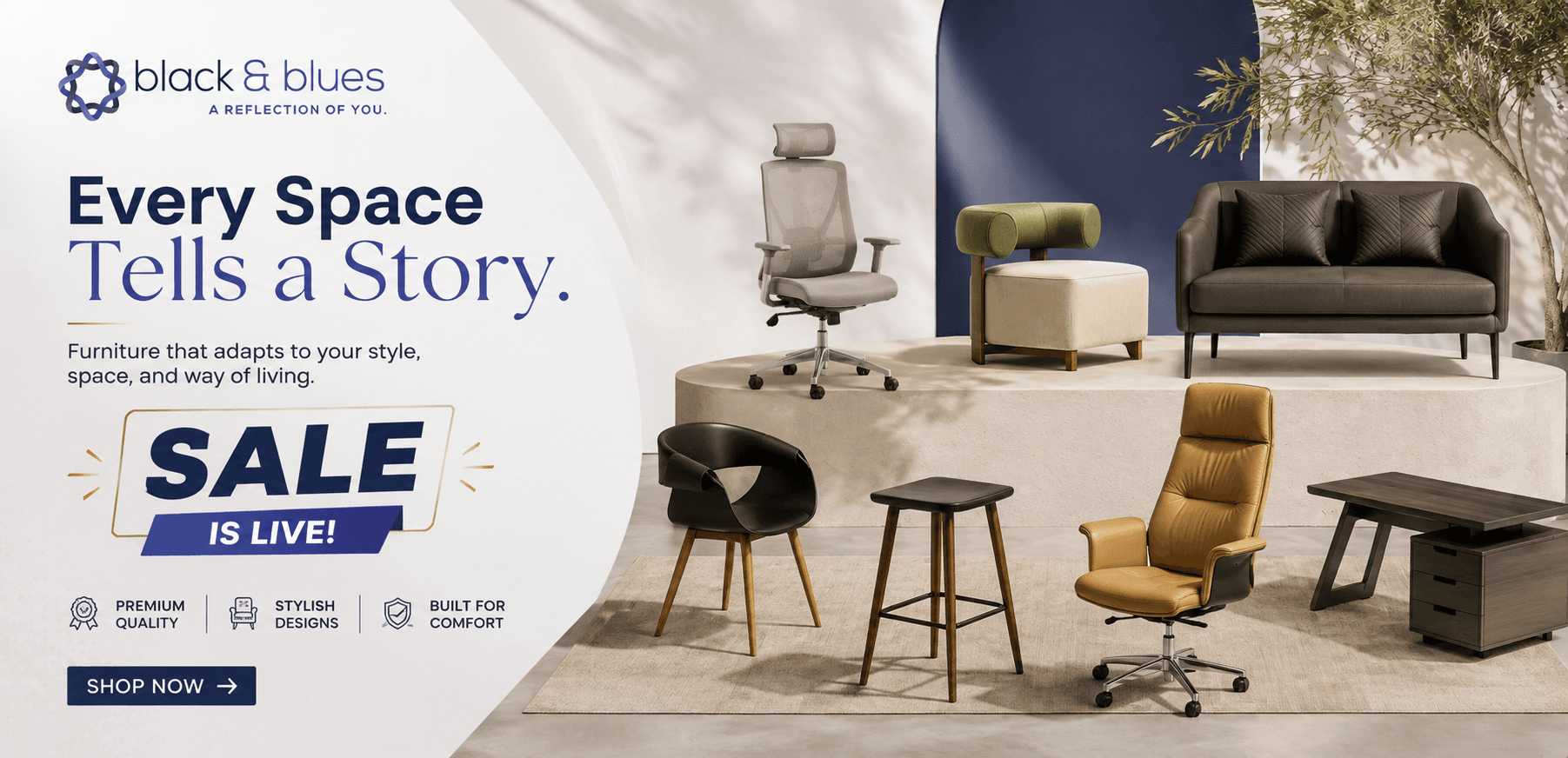
Ecofriendly office furniture Gachibowli

The Rise of the Green Office
Gachibowli, Hyderabad’s bustling IT corridor, is famous for its glittering glass towers, multinational campuses, and a fast‑paced work culture. Yet, beneath the skyscrapers a quieter revolution is gaining momentum: eco‑friendly office furniture.
Companies are no longer satisfied with the status quo of cheap, disposable desks and chairs that end up in landfills within a few years. Their growing awareness of climate change, employee wellbeing, and corporate social responsibility (CSR) is reshaping procurement decisions. In this post we’ll explore why sustainable furniture matters, what makes a product truly green, the most popular options in Gachibowli, and how you can future‑proof your workspace while keeping the planet happy.
(Spoiler: By the end of this article you’ll have a ready‑to‑implement checklist that any HR, facilities manager, or startup founder can use to turn a conventional office into an environmentally‑conscious hub.)
1. Why Eco‑Friendly Office Furniture Is No Longer a “Nice‑to‑Have”
1.1 Environmental Impact of Conventional Furniture
Issue Conventional Approach Eco‑Friendly Alternative
Raw material extraction Heavy reliance on virgin timber, non‑renewable plastics, and steel FSC‑certified wood, reclaimed lumber, recycled aluminum, bio‑based plastics
Carbon footprint High emissions from manufacturing, transport, and disposal Low‑impact production (e.g., locally sourced, low‑energy processes)
Waste Short product life → landfill accumulation Designed for durability, modularity, and recyclability
Chemical use Formaldehyde, VOCs, and flame retardants that affect indoor air quality Zero‑VOCs, natural finishes, non‑toxic adhesives
A study by the World Green Building Council estimates that the furniture sector contributes roughly 10 % of global CO₂ emissions from the built environment. In India, the rapid growth of office spaces intensifies this impact.
1.2 Business Benefits Beyond the Planet
Benefit Description
Employee health & productivity Low‑VOC finishes reduce headaches and respiratory irritation; ergonomic designs cut musculoskeletal disorders.
Brand differentiation Clients, investors, and talent gravitate toward companies that showcase tangible sustainability actions.
Cost savings over time Durable, modular pieces last longer, reducing replacement cycles and associated procurement costs.
Regulatory compliance Emerging Indian green building standards (e.g., GRIHA, IGBC) reward sustainable furniture with higher certification points.
When you pair these advantages with Gachibowli’s tech‑savvy talent pool, the ROI becomes strikingly clear: a greener office can be a smarter business decision.
2. What Makes Office Furniture “Eco‑Friendly”?
2.1 Core Sustainability Criteria
1. Responsible Material Sourcing
FSC‑certified timber: Ensures forests are managed responsibly.
Reclaimed wood: Gives a second life to old pallets, barns, or de‑constructed furniture.
Recycled metal & plastics: Uses post‑consumer waste, reducing virgin resource extraction.
2. Low‑Impact Manufacturing
Energy‑efficient factories (solar panels, LED lighting).
Water‑saving processes (closed‑loop cooling, rainwater harvesting).
Minimal waste generation; leftover cut‑offs become mulch or recycled into other products.
3. Durability & Modular Design
Robust joinery (dowel, mortise‑and‑tenon) over cheap particle board.
Replaceable components (e.g., chair casters, tabletops) to extend product lifespan.
4. Non‑Toxic Finishes
Zero‑VOC paints, water‑based lacquers, natural oils.
Formaldehyde‑free adhesives.
5. End‑of‑Life Strategy
Take‑back programs from manufacturers.
Design for disassembly, allowing materials to be recycled or composted.
2.2 Certification & Labels to Look For
Certification What It Verifies Why It Matters in India
FSC (Forest Stewardship Council) Legal, socially responsible, and environmentally appropriate forest management. Aligns with India’s Forest Conservation Act and demonstrates compliance for GRIHA/IGBC points.
BIFMA Level ® (formerly BIFMA Green) Product meets stringent environmental performance criteria (material, emissions, recyclability). Internationally recognized; helps multinational campuses meet global standards.
Cradle‑to‑Cradle (C2C) Product is safe for human health, circular, and responsibly made. Signals true circular economy mindset—highly valued by ESG investors.
LEED & IGBC Credits Furniture contributes points for low‑emitting materials and responsible sourcing. Directly improves your building’s green rating.
EPEAT (Electronic Product Environmental Assessment Tool) Though primarily for IT equipment, many furniture manufacturers align with its criteria for packaging and transport. Useful when purchasing integrated workstation solutions (desk + cable management).
3. The Gachibowli Landscape – Where to Find Sustainable Furniture
Gachibowli’s office market is a blend of large corporate campuses, co‑working spaces, and boutique startups. Below are the key sources for eco‑friendly furniture in and around the area.
3.1 Dedicated Showrooms & Retailers
Store Highlights Green Offerings
GreenSpace Interiors (Kondapur Road) Curated showroom with live wood samples; in‑house design consultancy. FSC‑certified desks, reclaimed wood conference tables, recycled metal filing cabinets.
UrbanEco Furnishings (Hitech City) Focus on modular workstations that adapt to hybrid work models. Modular desk systems built from 70 % recycled aluminum, low‑VOC laminate finishes.
The Sustainable Office (Gachibowli Phase 1) Offers “Zero Waste” packages that include take‑back services. Bamboo chairs, cork flooring, recycled polyester upholstery.
IKEA Hyderabad (near Gachibowli) Global brand with increasing sustainability portfolio. “KUNGSFORS” line (recycled steel), “MALM” series (recyclable particle board with low‑VOC glue).
3.2 Local Artisans & Up‑Cycling Studios
Crafted By Nature (Miyapur) – Hand‑crafted desks from reclaimed mango wood, finished with natural tung oil.
ReVamp Studios (Nanakramguda) – Converts old office pallets into stylish coffee tables and collaborative pods.
These smaller players often provide customizable solutions that fit the specific spatial constraints of a Gachibowli office, while also supporting the local circular economy.
3.3 Online Marketplaces with Green Filters
Indiamart Green Section – Filters for “FSC”, “Recycled”, “Low VOC”.
Amazon Business (Eco‑Friendly Category) – Verified eco‑labels and bulk‑purchase discounts.
When ordering online, be sure to request material safety data sheets (MSDS) and certification documents before finalizing the deal.
4. Designing a Sustainable Workspace – Practical Guidelines
Below is a step‑by‑step blueprint to help you transition from a conventional office to a green one in Gachibowli.
4.1 Conduct a Baseline Audit
Action Tool Outcome
Inventory all existing furniture Simple spreadsheet or asset management software Identify items to keep, refurbish, or discard.
Measure carbon footprint of current furniture Carbon calculator (e.g., Carbon Trust) Baseline for improvement tracking.
Assess indoor air quality IAQ monitor (PM2.5, VOCs) Pinpoint health risks from off‑gassing.
4.2 Set Clear Sustainability Targets
Material Goal: 80 % of new purchases must be FSC‑certified or made from post‑consumer recycled content.
Lifecycle Goal: Minimum product lifespan of 10 years; modular upgrades allowed.
Carbon Goal: Reduce furniture‑related CO₂ emissions by 30 % within 2 years.
4.3 Choose the Right Furniture Types
Furniture Eco‑Friendly Option Why It Works
Desks Reclaimed wood slab with steel legs (70 % recycled steel) Low embodied carbon, robust, unique aesthetics.
Ergonomic Chairs Bio‑based polymer seat with recycled steel frame + natural latex cushion Supports posture, zero‑VOC, long durability.
Storage Bamboo filing cabinets with reclaimed metal handles Fast‑growing renewable material, lightweight yet sturdy.
Collaborative Pods Recycled PET fabric panels around reclaimed wood base Up‑cycled plastics, acoustic comfort, visually warm.
Flooring Cork or reclaimed parquet tiles Natural insulation, biodegradable, reduces noise.
4.4 Integrate Green Design Principles
Biophilic Elements: Pair sustainable furniture with indoor plants (e.g., snake plant, pothos) that improve IAQ.
Natural Light Maximisation: Use low‑glare desk surfaces that don’t reflect harsh sunlight—helps reduce reliance on artificial lighting.
Modular Layouts: Opt for movable desk islands; they adapt to hybrid work schedules and minimise waste when re‑configuring.
4.5 Procurement & Vendor Management
1. Request for Proposal (RFP) – Include sustainability criteria (materials, certifications, take‑back policy).
2. Vendor Scorecard – Rate suppliers on: material sourcing, carbon reporting, waste management, social compliance.
3. Pilot Program – Start with a single floor or department to test durability and employee satisfaction before full rollout.
5. Real‑World Success Stories from Gachibowli
5.1 TechNova Solutions – 40 % Reduction in Furniture‑Related Emissions
Background: A mid‑size software development firm with 300 employees.
Action: Swapped all workstations for modular desks made from 60 % recycled aluminum and FSC‑certified pine. Implemented a take‑back program for old chairs.
Result:
CO₂ emissions from furniture dropped from 45 tCO₂e to 27 tCO₂e per year.
Employee absenteeism due to back pain fell by 18 % after introducing ergonomic, low‑VOC chairs.
Received IGBC Gold rating, attracting two new multinational clients.
5.2 GreenCo‑Spaces Co‑Working – Circular Economy Model
Background: A co‑working hub with 1500 sq ft of flexible work areas.
Action: Partnered with ReVamp Studios to up‑cycle discarded office pallets into standing desks and coffee tables. Introduced a “Furniture Swap” day where members could exchange used items.
Result:
Diverted 3.2 tons of wood waste from landfills.
Membership renewals increased by 12 %, with members citing “eco‑friendly vibe” as a key factor.
5.3 Apex Pharma – Employee Well‑Being Boost
Background: Large R&D facility with 800 staff.
Action: Replaced all office chairs with low‑VOC, bio‑based polymer seats; introduced cork flooring in breakout zones. Conducted IAQ monitoring before and after.
Result:
VOC levels dropped from 0.9 ppm to 0.3 ppm.
Reported employee satisfaction score rose from 7.2/10 to 8.5/10 in the annual survey.
These case studies illustrate that sustainability and business performance can go hand‑in‑hand—especially in a competitive talent market like Gachibowli.
6. Cost Analysis – Debunking the “Expensive” Myth
Cost Component Conventional Option (₹) Eco‑Friendly Option (₹) Pay‑back Period
Desk (per unit) 9,500 – 12,000 11,000 – 15,000 3–5 years (lower replacement)
Ergonomic Chair 8,000 – 10,000 9,500 – 12,500 2–4 years (reduced sick days)
Storage Cabinet 4,000 – 5,500 5,500 – 7,000 1–2 years (durability)
Take‑Back Service N/A Included in price (0–5 % of cost) Immediate (waste diversion)
Overall Lifecycle Cost (10 yr) ~1,00,000 ~95,000 Savings of ~5 %
Note: Numbers are illustrative averages based on market surveys (2024). The real savings often come from indirect benefits—lower health costs, higher employee retention, and green building certification incentives.
7. Future Trends – What’s Next for Sustainable Office Furniture?
1. Bio‑Based Materials at Scale – Mycelium (fungus) composites, hemp fiber panels, and algae‑derived foams are entering pilot projects.
2. Smart, Circular Furniture – Embedded RFID tags that track product life cycles, enabling automated take‑back logistics.
3. Hybrid Work‑Ready Designs – Lightweight, stackable desks that can be stored or repurposed for home offices, supporting the post‑COVID hybrid model.
4. Carbon‑Negative Products – Companies are experimenting with wood sourced from afforestation projects that sequester more CO₂ than the product emits.
Gachibowli’s tech ecosystem is well‑positioned to adopt these innovations early, especially given the presence of R&D labs and incubators.
8. Quick‑Start Checklist – Green Furniture Procurement in Gachibowli
✅ Action
1 Audit existing assets – catalog, condition, and disposal route.
2 Define sustainability KPIs – material share, carbon reduction, lifespan.
3 Set a budget with lifecycle cost in mind – include refurbishment & take‑back.
4 Identify certified suppliers – verify FSC, BIFMA Level ®, or C2C.
5 Request samples – test for VOC emissions, ergonomics, durability.
6 Negotiate take‑back & recycling clauses – ensure end‑of‑life responsibility.
7 Pilot on a single floor – gather employee feedback & IAQ data.
8 Scale up – roll out to entire campus, track KPIs quarterly.
9 Communicate – publish internal sustainability report and celebrate milestones.
10 Continuous improvement – revisit material sources and explore new green tech annually.
9. Frequently Asked Questions
Q1. Are eco‑friendly chairs really as comfortable as conventional ones?
Yes. Modern sustainable chairs use advanced ergonomics, breathable bio‑based foams, and adjustable mechanisms comparable to premium brands.
Q2. How do I verify a supplier’s green claims?
Ask for third‑party certification documents (FSC, BIFMA, Cradle‑to‑Cradle) and request a Material Safety Data Sheet (MSDS) that lists VOC levels.
Q3. What about the cost—can a startup afford green furniture?
Start with modular, up‑cycled pieces and prioritize high‑impact items (e.g., chairs). Many local artisans in Gachibowli offer custom solutions at a fraction of multinational pricing.
Q4. Will green furniture affect my building’s LEED/IGBC rating?
Absolutely. Using low‑emitting, responsibly sourced materials can earn up to 2–3 points in the Materials & Resources credit categories.
Q5. How do I responsibly dispose of old furniture?
Choose vendors offering take‑back programs or partner with local NGOs that refurbish furniture for schools or NGOs.
10. Closing Thoughts – From Green Goals to Green Offices
The shift toward eco‑friendly office furniture in Gachibowli is more than a design trend; it is a strategic business move that aligns with global sustainability agendas, employee wellbeing, and cost efficiency.
By understanding the true environmental impact of your office assets, sourcing responsibly certified products, and integrating thoughtful design principles, you can create a workspace that not only looks good but also does good.
Your next step? Grab the checklist above, schedule a sustainability audit, and start conversations with local suppliers like GreenSpace Interiors or Crafted By Nature. The greener office you envision is already within reach—right here in Gachibowli’s vibrant tech corridor.
Let’s build workplaces where productivity, health, and the planet thrive together.
Ready to go green? Share your thoughts in the comments, or reach out to us for a personalized sustainability consultation.
Happy designing!
References & Further Reading
1. World Green Building Council – The Business Case for Green Furniture (2023).
2. IGBC – Materials & Resources Credits Guide (2024).
3. BIFMA – Level ® Certification Standards (2022).
4. Gachibowli Municipal Corporation – Waste Management & Recycling Initiatives (2024).
(All data are based on publicly available reports and market surveys up to November 2025.)
