
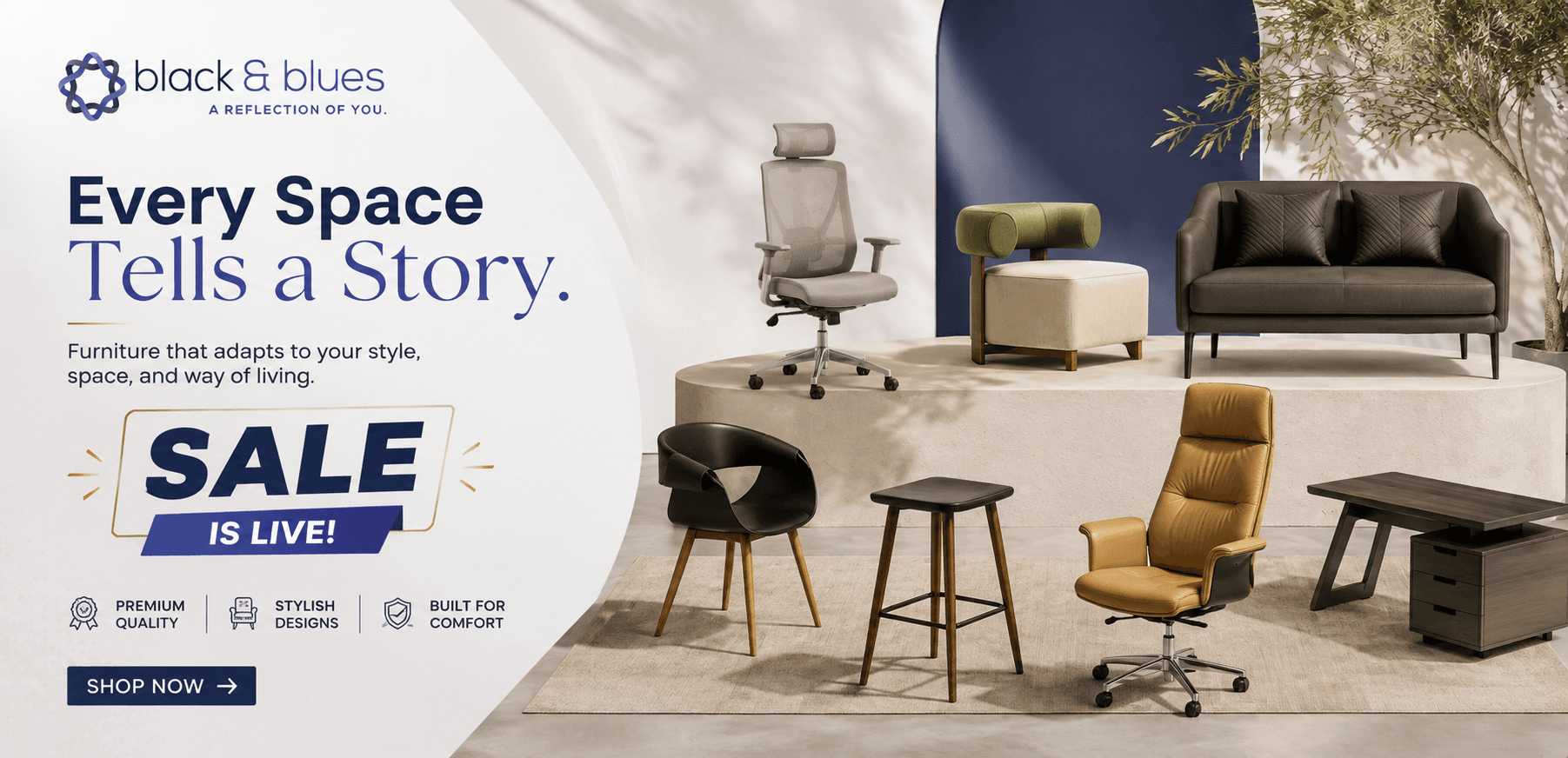
Modular office furniture Gachibowli

Introduction – Why the Buzz Around Modular Furniture?
If you walk through the bustling streets of Gachibowli, Hyderabad’s thriving tech and business enclave, you’ll notice a subtle but powerful shift: office interiors are no longer static rows of cubicles and bulky desks. Instead, sleek, adaptable workstations, collaborative pods, and ergonomic seating dominate the landscape. This transformation is powered by modular office furniture, a design philosophy that marries flexibility, sustainability, and style.
In this post, we’ll dive deep into the world of modular office furniture in Gachibowli. From the core benefits and design principles to the local manufacturers shaping the market, we’ll give you a complete, 1000‑plus‑word guide that helps business owners, facility managers, interior designers, and even employees understand why modular furniture is the future of work—and how to make the most of it right here in Gachibowli.
1. Understanding Modular Office Furniture
1.1 What Does “Modular” Mean?
Modular refers to furniture systems built from independent, interchangeable components that can be assembled, reconfigured, or expanded without the need for major renovations. Think of a Lego set for the office: each piece (desk panels, storage cubes, acoustic panels, power modules, etc.) snaps together in multiple ways, allowing you to tailor the environment to evolving needs.
1 Key Characteristics
Feature What It Looks Like in Practice
Scalability Add a new work pod as your team grows; remove it later without waste.
Flexibility Convert a quiet focus area into a brainstorming zone within hours.
Standardized Connections Uniform mounting rails, cable management tracks, and hardware across product lines.
Interchangeable Aesthetics Swap out finishes, colors, or panel textures without replacing the whole system.
Sustainability Components are often recyclable, and the ability to reuse reduces landfill waste.
1.2 How Modular Differs From Traditional Furniture
Traditional Furniture Modular Furniture
Fixed dimensions; redesign = new purchase. Adjustable dimensions; redesign = re‑arrangement.
Usually a single vendor or product line. Multi‑vendor ecosystems; mix‑and‑match.
Hard‑wired power/IT solutions. Integrated, plug‑and‑play power modules.
Heavy, often difficult to move. Lightweight, often on casters or low‑profile rails.
Limited lifespan; often discarded. Long lifespan; components upgradeable.
2. Why Gachibowli Is a Hotspot for Modular Offices
2.1 The Business Landscape
Gachibowli is home to more than 500 tech companies, ranging from start‑ups to multinational giants, plus research institutes, financial services firms, and co‑working spaces. The rapid influx of talent and the need for agile work environments have made the district a natural incubator for modular solutions.
2.2 Real‑Estate Dynamics
High Rental Turnover – Many businesses lease spaces for 3‑5 years, then relocate or scale up. Modular furniture enables quick move‑ins and move‑outs, reducing downtime and landlord‑tenant friction.
Premium on Square Footage – With real‑estate rates climbing above ₹150 per sq ft in prime Gachibowli zones, maximizing usable space is a financial imperative. Modular desks with height‑adjustable surfaces and compact storage can increase usable workspace density by up to 30 % without compromising comfort.
2.3 Demographic Drivers
The workforce is young, tech‑savvy, and collaborative. Employees expect spaces that support both deep focus and spontaneous interaction. Modular furniture, paired with activity‑based working (ABW) principles, meets these expectations.
2.4 Government & Sustainability Initiatives
Telangana’s “Green Building” policies encourage the adoption of recyclable materials and energy‑efficient office designs. Modular furniture manufacturers often certify their products under BIFMA Level and LEED guidelines, aligning with corporate ESG (Environmental, Social, Governance) goals.
3. Core Benefits of Modular Office Furniture for Gachibowli Companies
3.1 Flexibility & Future‑Proofing
Rapid Reconfiguration – A tech startup can convert a 10‑person bench into a 5‑person focus pod and a 5‑person collaborative area in a single afternoon.
Accommodates Hybrid Work – With a mix of in‑office and remote employees, modular desks with built‑in docking stations allow “hot‑desking” without clutter.
3.2 Cost Efficiency
Cost Category Traditional Approach Modular Approach Potential Savings
Capital Expenditure One‑time bulk purchase; limited reuse. Incremental purchase of components. Up to 35 % lower upfront spend.
Relocation/Refurbishment Demolition, new furniture, downtime. Simple re‑layout; minimal downtime. Up to 50 % reduction in relocation cost.
Maintenance Custom parts; higher service fees. Standardized parts; easier servicing. Lower annual OPEX.
3.3 Employee Well‑Being
Ergonomics – Height‑adjustable desks, lumbar‑support chairs, and monitor arms reduce musculoskeletal complaints.
Acoustic Control – Modular acoustic panels and sound‑absorbing pods keep noise levels in check, improving concentration.
Psychological Comfort – A visually cohesive, adaptable environment signals that the organization values employee comfort and innovation.
3.4 Sustainability
Reduced Waste – Components can be swapped or upgraded rather than discarded.
Recyclable Materials – Many manufacturers use high‑density fiberboard (HDF) with recycled content, metal frames made from recycled steel, and low‑VOC finishes.
Energy Efficiency – Integrated power modules cut down on excess cabling and enable smart energy monitoring.
4. Key Design Elements of Modular Office Systems
4.1 Workstation Core
Desk Surface – Choose laminated MDF, tempered glass, or solid wood veneer based on budget and branding. For Gachibowli’s climate, a moisture‑resistant finish helps maintain longevity.
Height‑Adjustability – Electric or pneumatic lifts are essential for hybrid work. Look for a silent motor and memory presets.
Cable Management – Integrated trays, grommets, and under‑desk power strips keep cords tidy—critical for tech‑heavy setups.
4.2 Storage Solutions
Modular Cubes & Lockers – Stackable units that can be combined vertically or horizontally.
Mobile Pedestals – On‑wheel cabinets that glide alongside desks, perfect for dynamic floor plans.
Closed vs. Open Systems – Closed cabinets protect confidential documents; open shelves encourage transparency and quick access.
4.3 Collaboration Zones
Pod Systems – Enclosed, sound‑absorbing pods for video calls or focused work.
Bench Seating – Long, low‑profile benches that can be re‑oriented for group work.
Whiteboard Walls – Magnetic panels that double as display surfaces.
4.4 Acoustic Management
Ceiling Clouds – Suspended panels that break up sound reflections.
Wall Baffles – Modular fabric or perforated wood panels that can be added or removed.
Floor Mats – High‑density rubber or carpet tiles that reduce footfall noise.
4.5 Lighting Integration
Task Lighting – Clip‑on LED arms that attach to desk rails.
Ambient Lighting – Recessed or surface‑mounted modules that sync with daylight sensors.
Human‑Centric Lighting (HCL) – Systems that adjust colour temperature to support circadian rhythms—an emerging trend for employee health.
4.6 Smart Technology
IoT Sensors – Occupancy, temperature, and air‑quality sensors built into desk modules.
Power‑over‑Ethernet (PoE) – Enables seamless connectivity for monitors, phones, and IoT devices.
App‑Based Controls – Employees can book pods, adjust desk height, or request room service through a mobile app linked to the furniture system.
5. Spotlight on Local Manufacturers & Suppliers
Company Signature Product Sustainability Highlights Notable Projects in Gachibowli
ModuSpace India “FlexiDesk Pro” – electric height‑adjustable desk with integrated cable trays. 70 % recycled steel frame, FSC‑certified wood tops. Headquarters for TechNova Solutions, 2023.
Apex Office Interiors “CollaboratePod” – acoustic pod with acoustic foam and smart lighting. Uses low‑VOC fabrics, modular panels for easy recycling. Co‑working space The Hive, 2022.
EcoMod Furniture “GreenCube” storage system made from recycled PET plastic. 100 % recycled material, biodegradable finishes. Startup incubator Innov8 Hub, 2024.
SpaceCraft Interiors “HybridWorkstation” – modular desk + mobile pedestal + power hub. Solar‑powered manufacturing plant; BIFMA Level ® certification. Global consultancy Accordia, 2021.
These companies have built strong relationships with Gachibowli’s real‑estate developers and design firms, offering turn‑key solutions—from concept to installation—tailored to the local market’s fast‑paced demands.
6. How to Choose the Right Modular System for Your Gachibowli Office
6.1 Conduct a Needs Assessment
1. Space Audit – Measure square footage, ceiling height, and load‑bearing capacity.
2. Work Pattern Analysis – Identify the proportion of focused work, collaborative tasks, and client‑facing activities.
3. Future Growth Projections – Estimate headcount changes over the next 3‑5 years.
6.2 Define Your Priorities
Priority Questions to Ask
Flexibility Will you need to re‑configure every 6 months?
Ergonomics What height range do your employees need?
Budget Do you prefer a capital‑light subscription model?
Branding How important is a custom colour palette or logo integration?
Sustainability Do you need LEED‑certified furniture?
6.3 Evaluate Vendor Capabilities
Product Catalog Depth – Does the vendor offer a full suite (desks, storage, pods, acoustic, tech)?
After‑Sales Service – On‑site support, warranty length, and spare‑part availability.
Local Presence – Proximity reduces logistics costs and ensures faster installation.
References & Case Studies – Look for projects similar in size and sector.
6.4 Consider Financial Models
Model Description Pros Cons
CAPEX Purchase One‑time payment for full ownership. Asset on balance sheet; no recurring fees. Large upfront outlay; depreciation.
OPEX Subscription Monthly fee covering furniture, maintenance, and upgrades. Predictable cash flow; easy upgrades. Ongoing cost; may not be tax‑deductible in all jurisdictions.
Hybrid Lease‑to‑Own Lease for a set term with option to buy at reduced price. Low initial cost; eventual ownership. Complex contracts; may include hidden fees.
7. Real‑World Success Stories from Gachibowli
7.1 TechNova Solutions – Scaling from 80 to 200 Employees
Challenge: Rapid growth required a workspace that could double its capacity within 12 months, without major construction.
Solution: Partnered with ModuSpace India to install FlexiDesk Pro workstations on mobile rails, allowing quick expansion. Added CollaboratePods for meeting rooms that could be re‑purposed as focus zones after hours.
Result:
30 % reduction in floor‑space utilization per employee.
25 % faster onboarding of new hires (desk ready on day‑one).
Positive employee feedback: 87 % reported higher satisfaction with workspace flexibility.
7.2 The Hive Co‑working – Creating a Community‑Centric Hub
Challenge: Needed a blend of private focus areas, open collaborative zones, and event spaces, all within a 4,000‑sq‑ft floor.
Solution: Apex Office Interiors supplied Modular Acoustic Pods, movable wall panels, and a mix of GreenCube storage units. Integrated a smart reservation app for pods and desks.
Result:
Occupancy rate rose to 95 % within six months.
Member churn decreased by 15 % due to improved workspace experience.
Achieved LEED Gold certification for interior fit‑out.
7.3 Accordia Consulting – Sustainable Office Transformation
Challenge: A multinational client required a low‑carbon office meeting strict ESG reporting.
Solution: SpaceCraft Interiors delivered the HybridWorkstation system with a 100 % recycled steel frame and reclaimed wood tops. Integrated solar‑powered IoT sensors for real‑time energy monitoring.
Result:
Office carbon footprint reduced by 28 % annually.
Earned BIFMA Level ® certification.
Recognized in the Telangana Sustainable Business Awards 2024.
8. Practical Tips for a Smooth Modular Implementation
1. Pilot First – Deploy a small “test zone” (e.g., 10 desks) before a full rollout to iron out logistics.
2. Engage Employees Early – Conduct surveys, hold focus groups, and let staff try prototypes. This boosts adoption and uncovers hidden needs.
3. Plan Cable Pathways – Use raised flooring or ceiling‑mounted raceways; modular desks with built‑in cable channels simplify this.
4. Standardize Labels – Color‑code components (e.g., blue for collaborative, green for quiet) to speed up reconfiguration.
5. Document Configurations – Keep a digital layout library (AutoCAD, SketchUp, or BIM) so you can reproduce successful setups instantly.
6. Schedule Maintenance Windows – Even modular systems need periodic checks—tighten bolts, replace worn wheels, update firmware on smart modules.
7. Leverage Vendor Training – Most manufacturers offer on‑site training for facilities teams; make sure your staff knows how to adjust desk heights, troubleshoot power modules, and re‑assemble pods.
9. The Future Outlook – What’s Next for Modular Offices in Gachibowli?
9.1 AI‑Driven Space Optimization
Emerging software platforms use AI to analyze occupancy data from IoT sensors and automatically suggest re‑configurations (e.g., moving a pod to a high‑traffic zone during peak collaboration periods). Expect local integrators to roll out these solutions by 2026.
9.2 Biophilic Modular Elements
Incorporating living walls, modular planter boxes, and natural‑material panels will become standard, aligning with wellness trends and the city’s push for greener workplaces.
9.3 Circular Economy Business Models
Manufacturers are experimenting with “furniture‑as‑a‑service” models where the vendor retains ownership of all components, handling end‑of‑life recycling. Companies in Gachibowli can adopt such models to further reduce waste and avoid capital lock‑in.
9.4 Hybrid‑Reality Collaboration Zones
Future pods may integrate AR/VR surfaces, allowing in‑office and remote participants to share a mixed‑reality workspace. Modular panels will host embedded projection screens and spatial audio speakers, making the technology easier to upgrade as standards evolve.
10. Quick Checklist – Is Modular Furniture Right for Your Gachibowli Office?
✅ Question Yes/No
1 Do you anticipate growth or contraction within the next 3‑5 years?
2 Is flexibility a core part of your company culture?
3 Are you aiming for LEED or ESG certification?
4 Do you want to reduce real‑estate costs by maximizing space efficiency?
5 Is employee well‑being (ergonomics, acoustic comfort) a priority?
6 Are you open to subscription‑based OPEX models?
7 Do you have IT infrastructure that benefits from integrated power/PoE?
8 Would you like to future‑proof your office against changing work patterns?
If you answered “Yes” to four or more of these, modular office furniture is likely a strong fit for your organization.
11. Conclusion – A Modular Future Awaits in Gachibowli
Gachibowli’s rapid evolution from a quiet suburb to a bustling tech corridor demands office environments that can keep pace. Modular office furniture provides the perfect blend of adaptability, cost efficiency, employee wellness, and sustainability—all critical success factors for businesses thriving in this dynamic ecosystem.
By partnering with local manufacturers like ModuSpace India, Apex Office Interiors, EcoMod, and SpaceCraft, you gain access to tailor‑made solutions that respect the unique climate, cultural expectations, and regulatory landscape of Hyderabad. Whether you’re a start‑up looking to make a bold first impression, a mid‑size firm planning a 50‑person expansion, or a multinational seeking to align with ESG targets, modular furniture offers a scalable, future‑proof platform.
The next time you step into a Gachibowli office, notice the seamless flow between quiet corners, collaborative hubs, and high‑tech workstations. That fluid, responsive environment isn’t a coincidence—it’s the result of intentional design powered by modular systems. Embrace it, and you’ll not only enhance productivity and reduce costs, but also position your brand as a forward‑thinking leader in the modern workplace.
Ready to start your modular journey? Reach out to a local supplier, schedule a pilot, and watch your workspace transform—one adaptable module at a time.
References & Further Reading
1. BIFMA Level® Certification Standards – 2024 Edition.
2. “The Economic Impact of Modular Office Furniture in Indian Tier‑1 Cities,” Journal of Sustainable Design, 2023.
3. Telangana State Government, “Green Building Guidelines for Commercial Interiors,” 2022.
4. Gachibowli Business Association (GBA) Annual Report, 2024.
Happy designing!
